LET’S CHAKAP CHAKAP WITH THE PRESIDENT
OTHER EVENTS
Preserving Peranakan Heritage: A Writing Competition
(Deadline for submissions 2359hrs 31 May 2024)
30 March 2024 11:130a.m. – 1:30p.m. Demostration: Yam rice, young beans with minced pork & chye poh and kueh kosui, with Nonya Valerie Kong
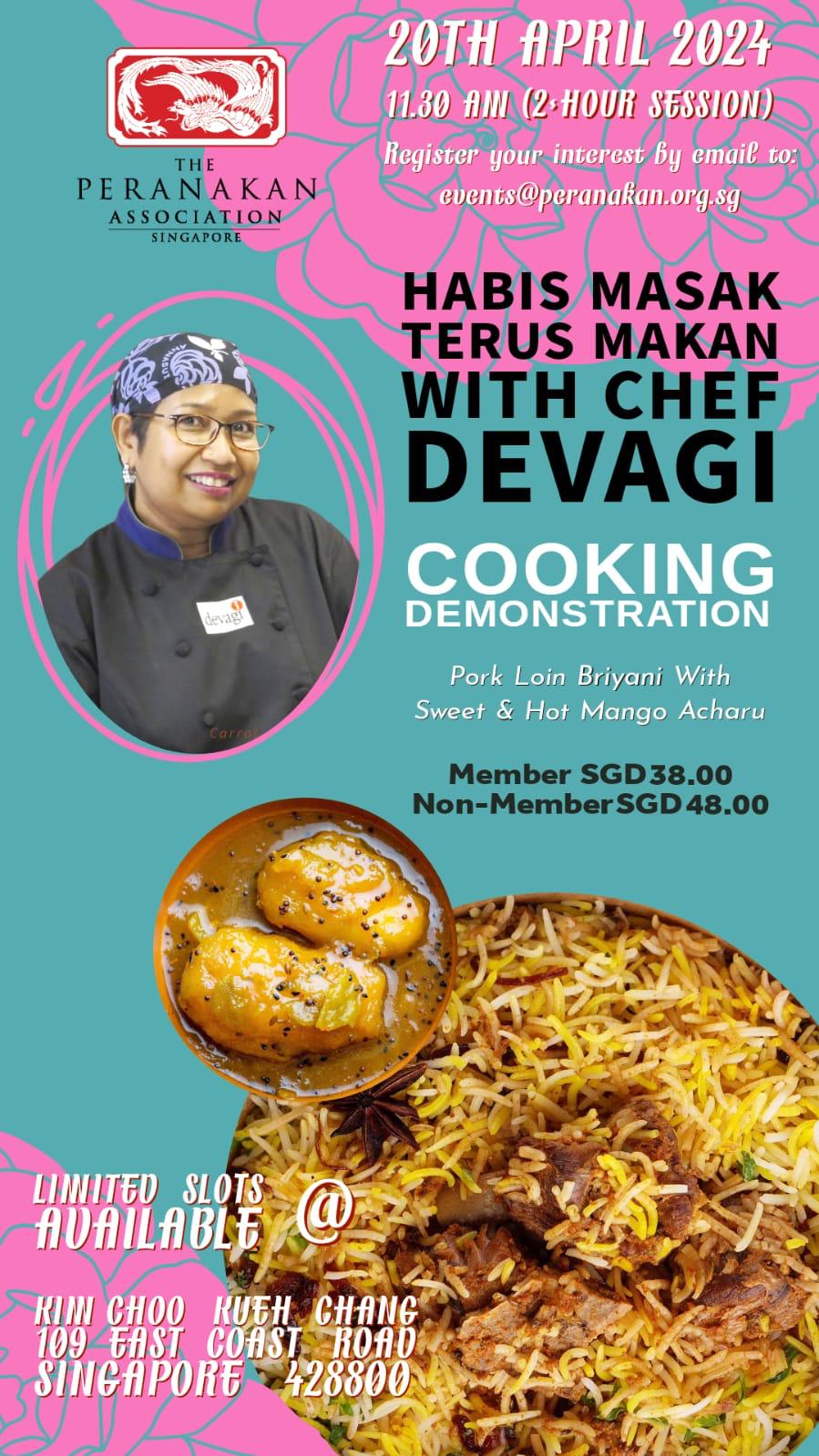
20 April 2024 11:30a.m. – 1:30p.m.
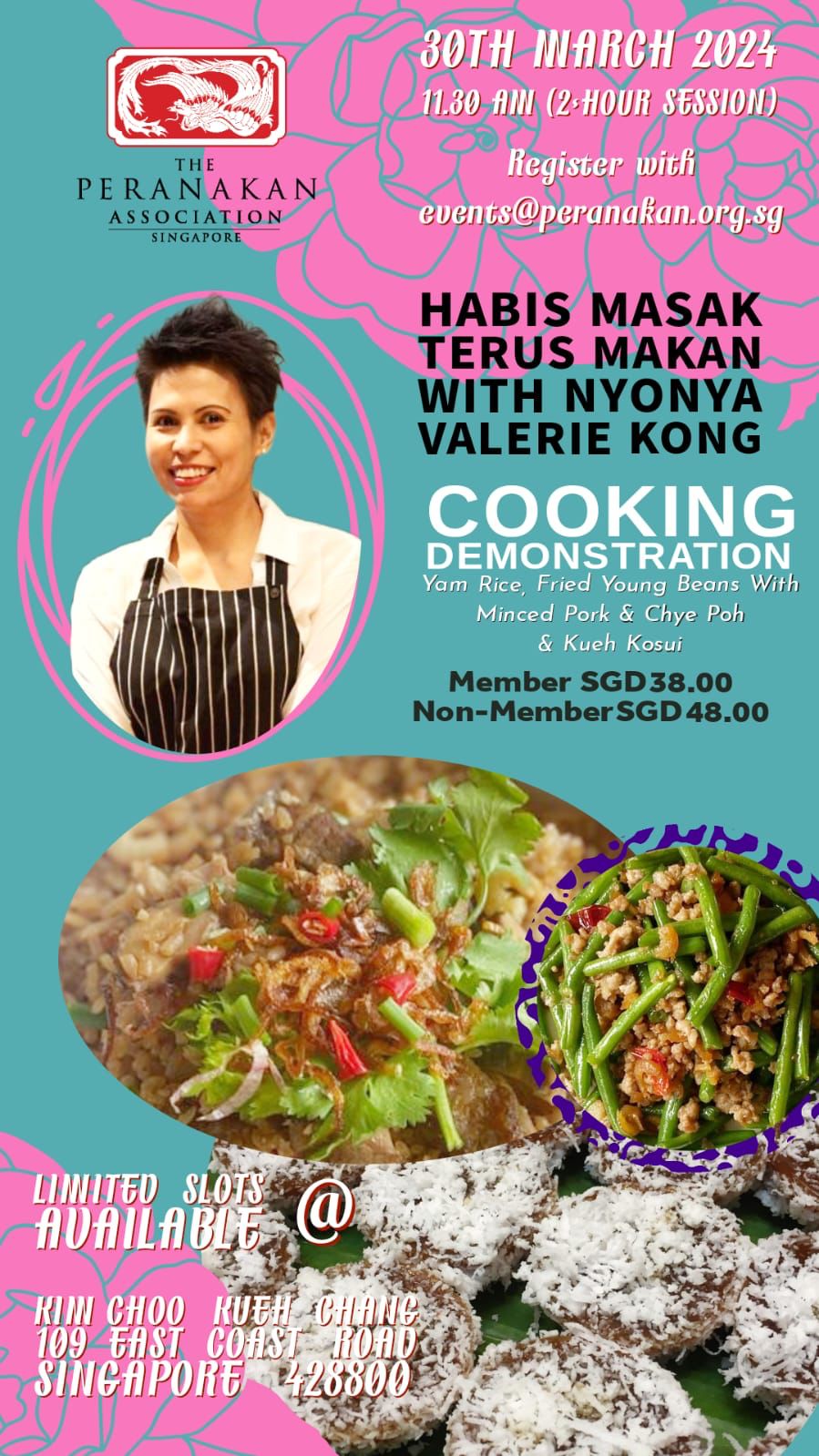
30 March 2024 11:130a.m. – 1:30p.m. Demostration: Yam rice, young beans with minced pork & chye poh and kueh kosui, with Nonya Valerie Kong
30 March 2024 11:130a.m. – 1:30p.m.
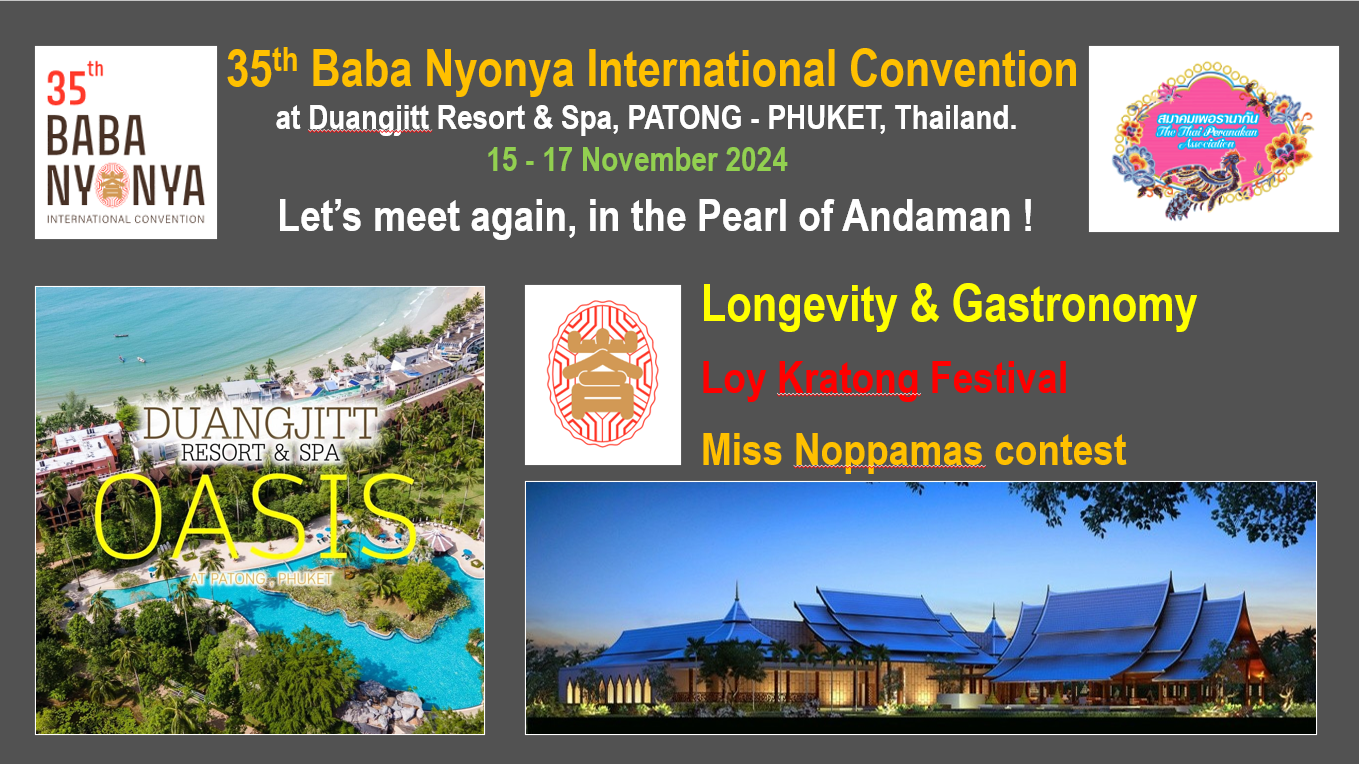
35th Baba Nyonya International Convention, Phuket
15-17 Nov 2024
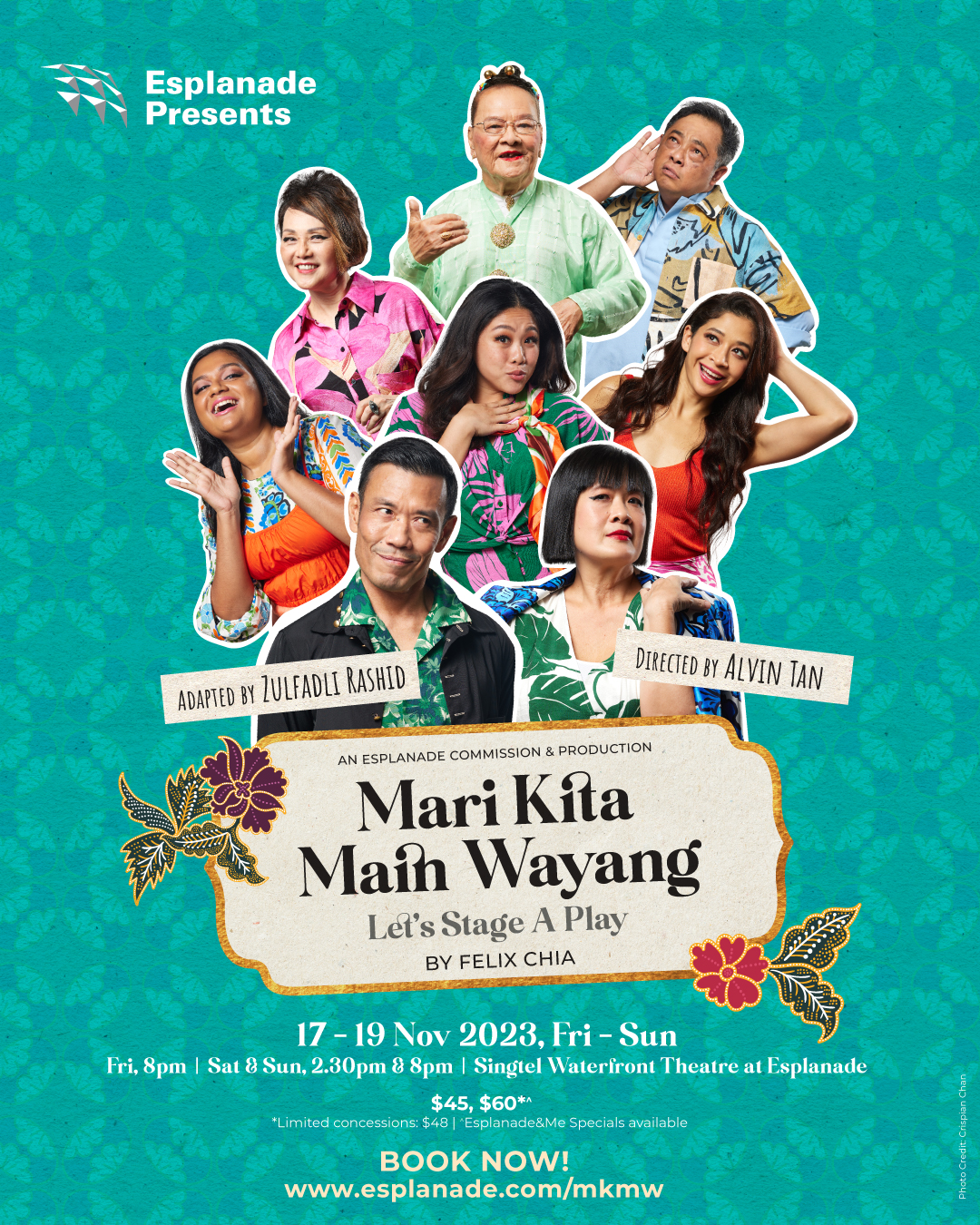
Have you booked your tickets to Mari Kita Main Wayang?
17 – 19 Nov 2023
Singtel Waterfront Theatre at Esplanade
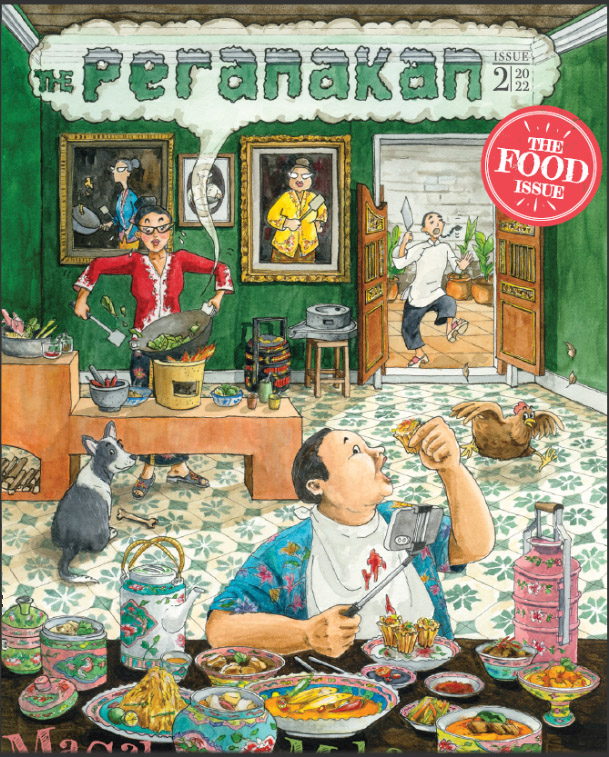
OUT NOW!
THE PERANAKAN magazine 02/2022
Dear members
Our last hard copy issue of The Peranakan magazine (Issue 2, 2022) is celebrating, but of course, Peranakan food in all its glory! It’s a 68-page bumper issue jam-packed with stories.
Read about young Lee Yuen Thien’s determination to learn a long-forgotten art so as to preserve an ancient food tradition. Just for us too, Khir Johari takes a few moments from his hectic schedule to specially write on the intoxicating origin of the keluak dish.
Eleven renowned cooks and food writers from Singapore and Malaysia share recipes, tips and their take on the future of Peranakan cuisine while seven cooks from continents far away overcome challenges to replicate our dishes. Seven babas from their 20s to 80s compose Baba Malay pantons around food and one baba counts his lucky stars to be born a baba, for obvious reasons.
In Amek Gambair, find out the family connections behind Koon Seng Road and Xilin Avenue and take a peek into the beach-easy lifestyle of Katongites before and after the War.
Look out for the magazine in your mailbox or read now at https://www.peranakan.org.sg/2022/08/issue-2-2022/