 THE PERANAKAN
Baba Emeric Lau joins a 5,000-strong crowd that thronged a 530m stretch of Joo Chiat Road for World Car-Free Day 2026 on Saturday, 3 October 2026.
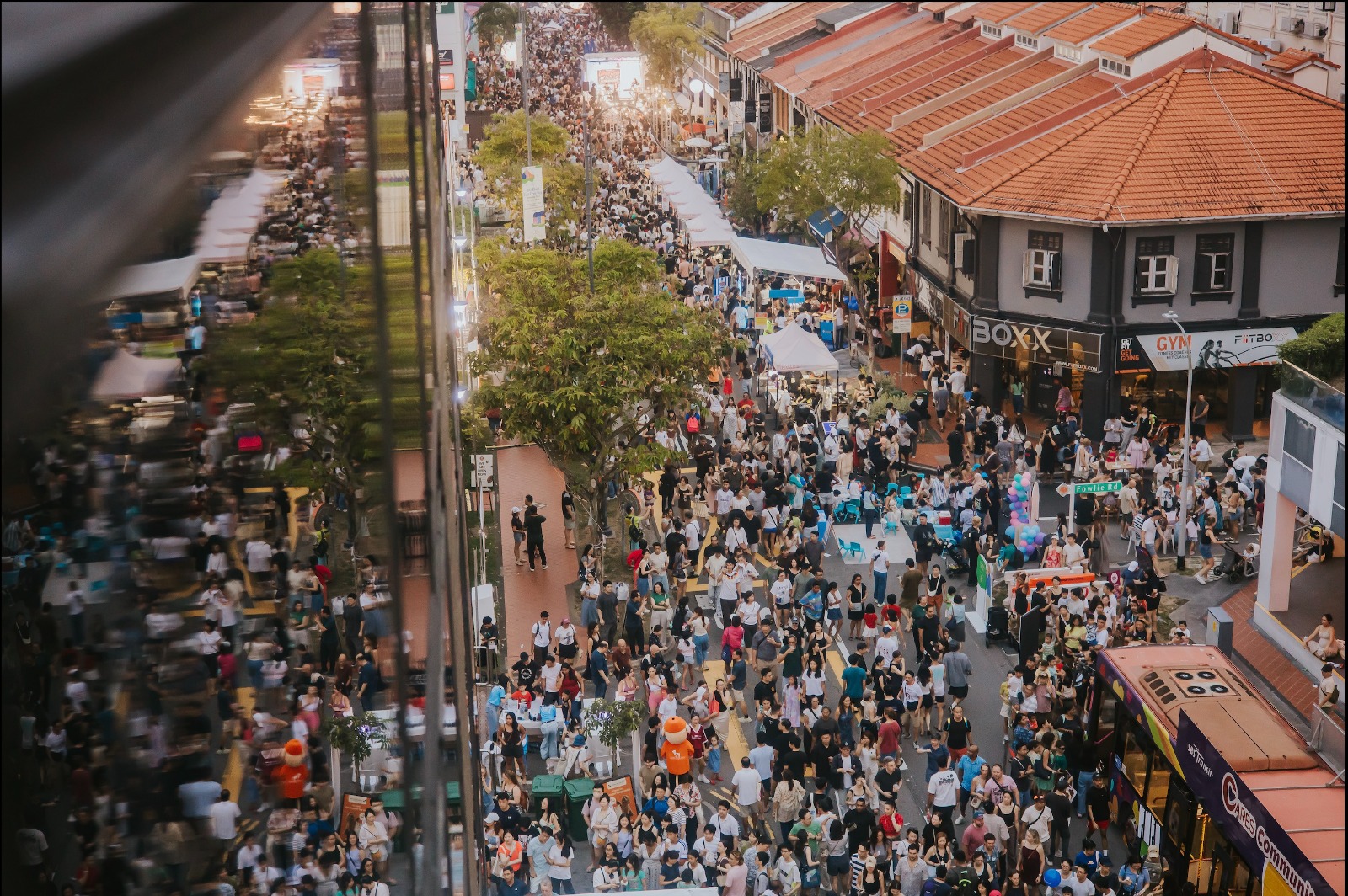
On Saturday, 3 October 2026, Joo Chiat Road became a living exhibition of neighbourhood memory.
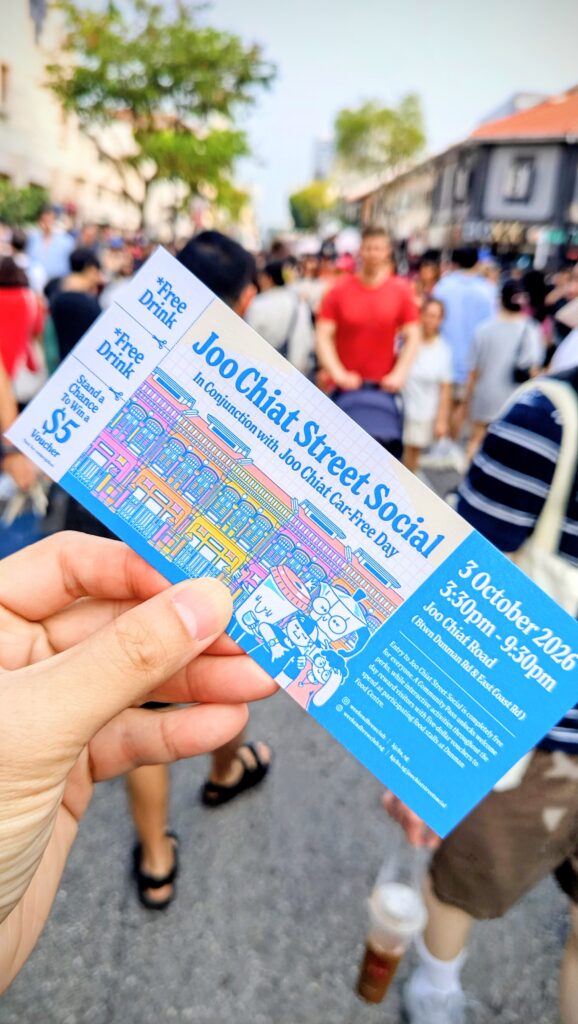
As the Katong-Joo Chiat Business Association (KJCBA) rolled out the inaugural Joo Chiat Street Social under the Land Transport Authority’s World Car-Free Day 2026 banner, the usual hum of traffic gave way to footsteps, conversation, and craft. While it had all the trappings of a community festival, the event serves as a blueprint for reimagining how heritage precincts are experienced.
Left: A Joo Chiat Street Social pass offered further perks
Credit: Emeric Lau
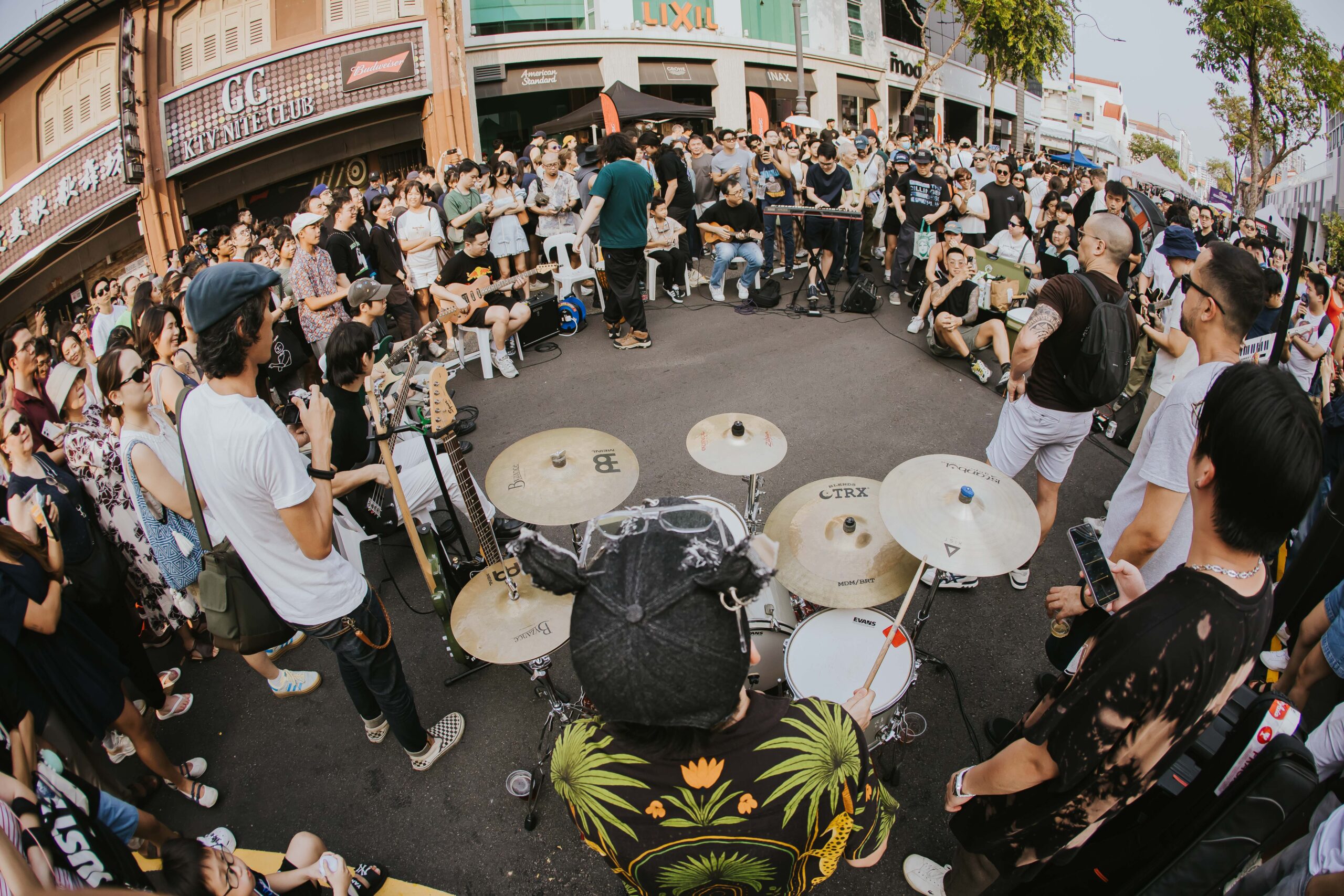
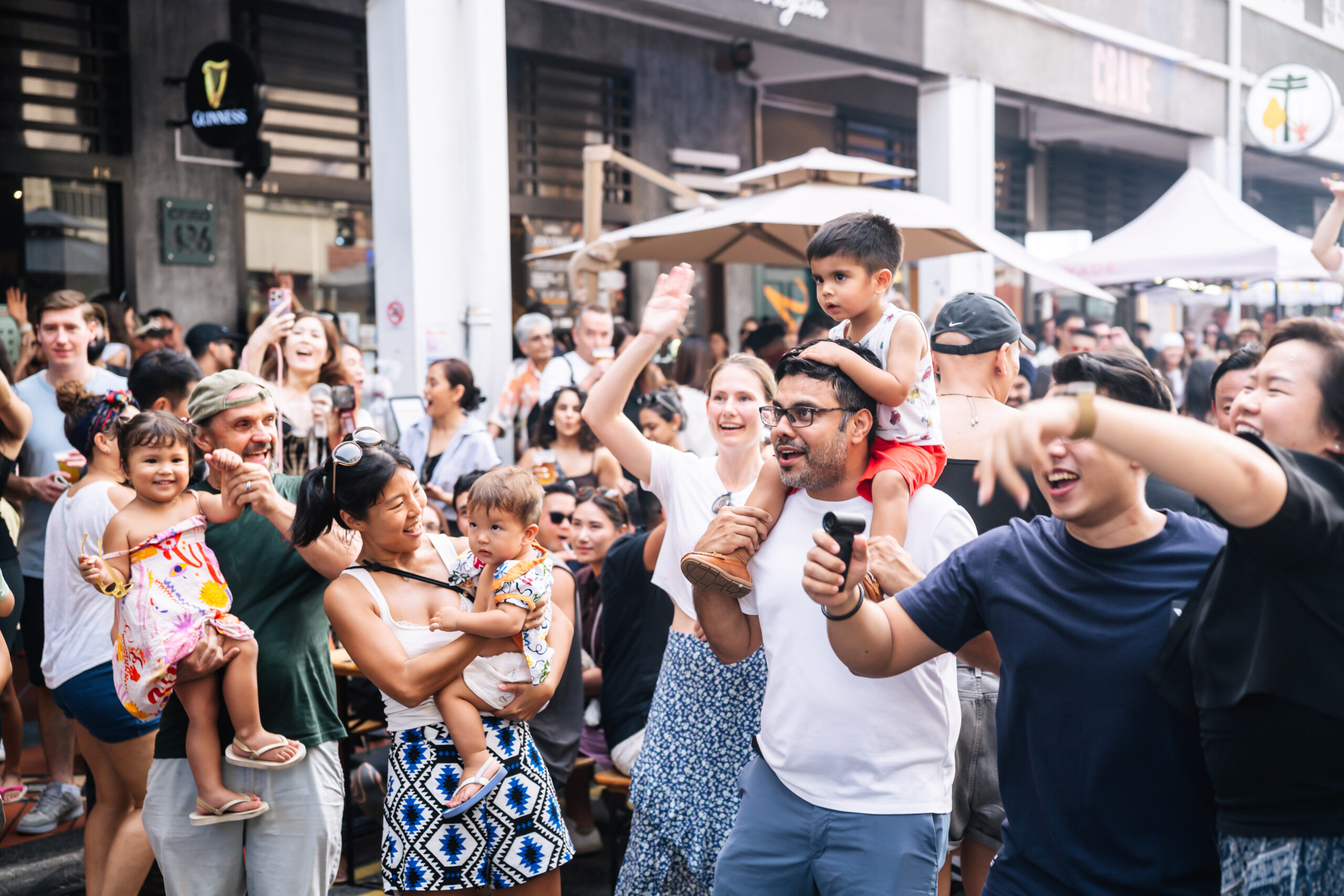
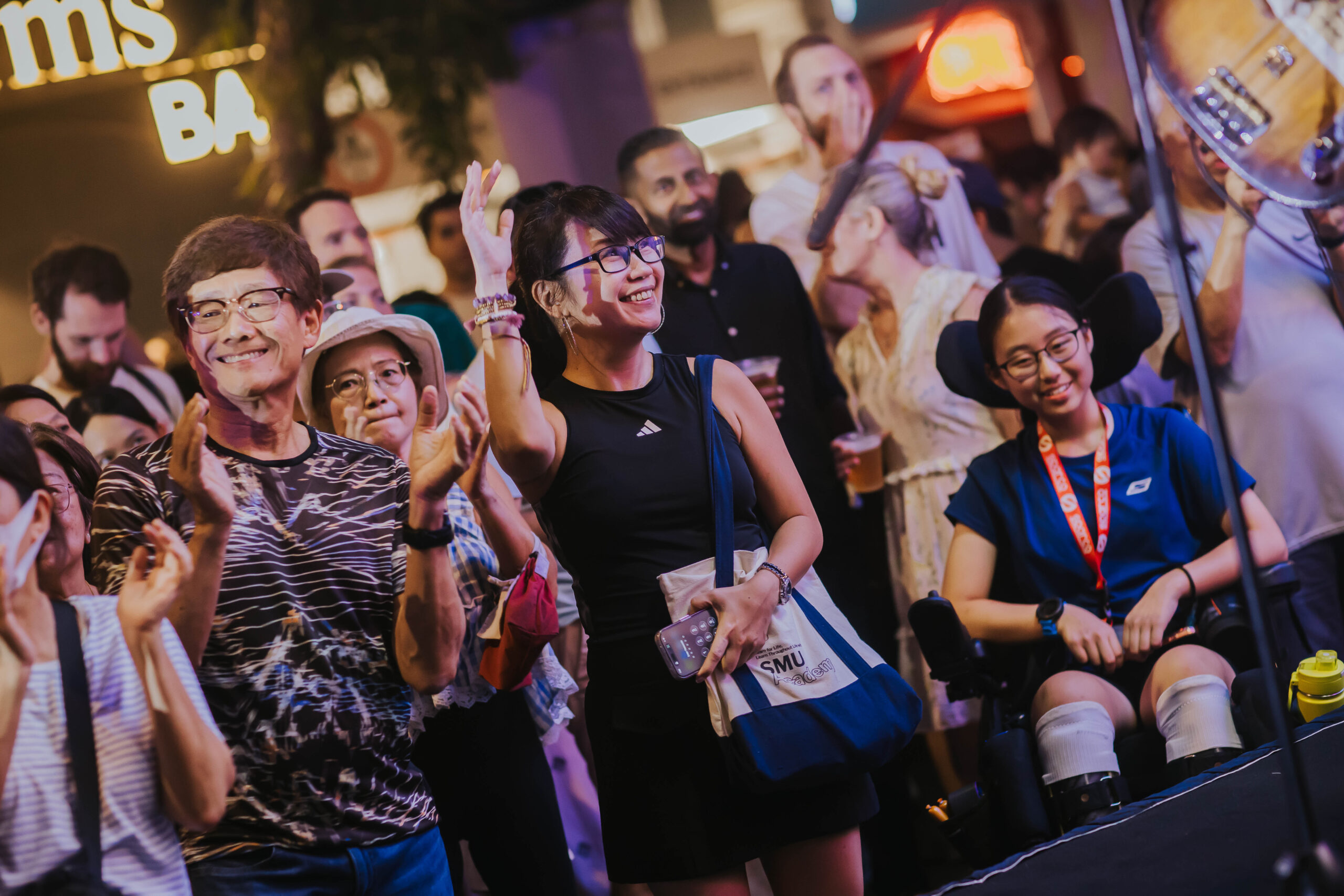
Rather than allowing crowds to cluster at a handful of Instagram-famous corners—a pattern that intensified after Joo Chiat Road’s 2025 Time Out global ranking—the event’s organisers turned the 530-metre long car-free thoroughfare into an immersive promenade of themed zones comprising live performances, pet showcases, wellness classes, and retail offerings. Families gathered for clay modelling and kintsugi sessions, while local illustrators handed out portraits and musicians tuned up to play their sets.

Live music sets got the packed crowd jiving: https://www.facebook.com/reel/2523971571411243
Food and beverage concepts, too, took centre stage. Besides the indie cafés and brew bars was a cooking demonstration held at the Joo Chiat Community Centre conducted by Nyonya Shirley Tay and Baba Benedict Raphael Khoo. Titled Buah Paya Masak Titek, the rich fragrance of Tay’s rempah attracted a crowd that sampled the dish served in paper cups, showing how heritage cuisine serves as a bridge to the wider, multicultural community.
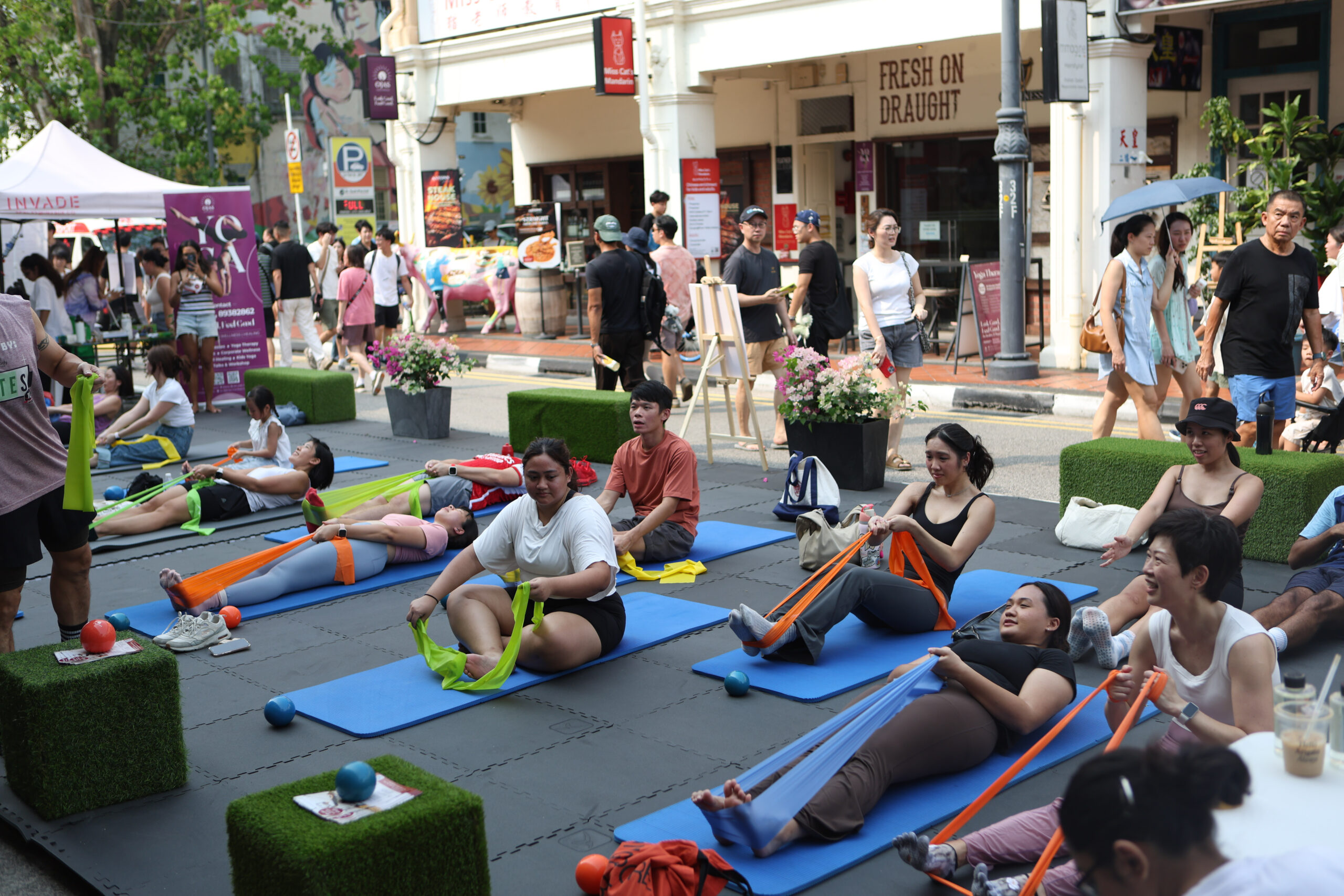
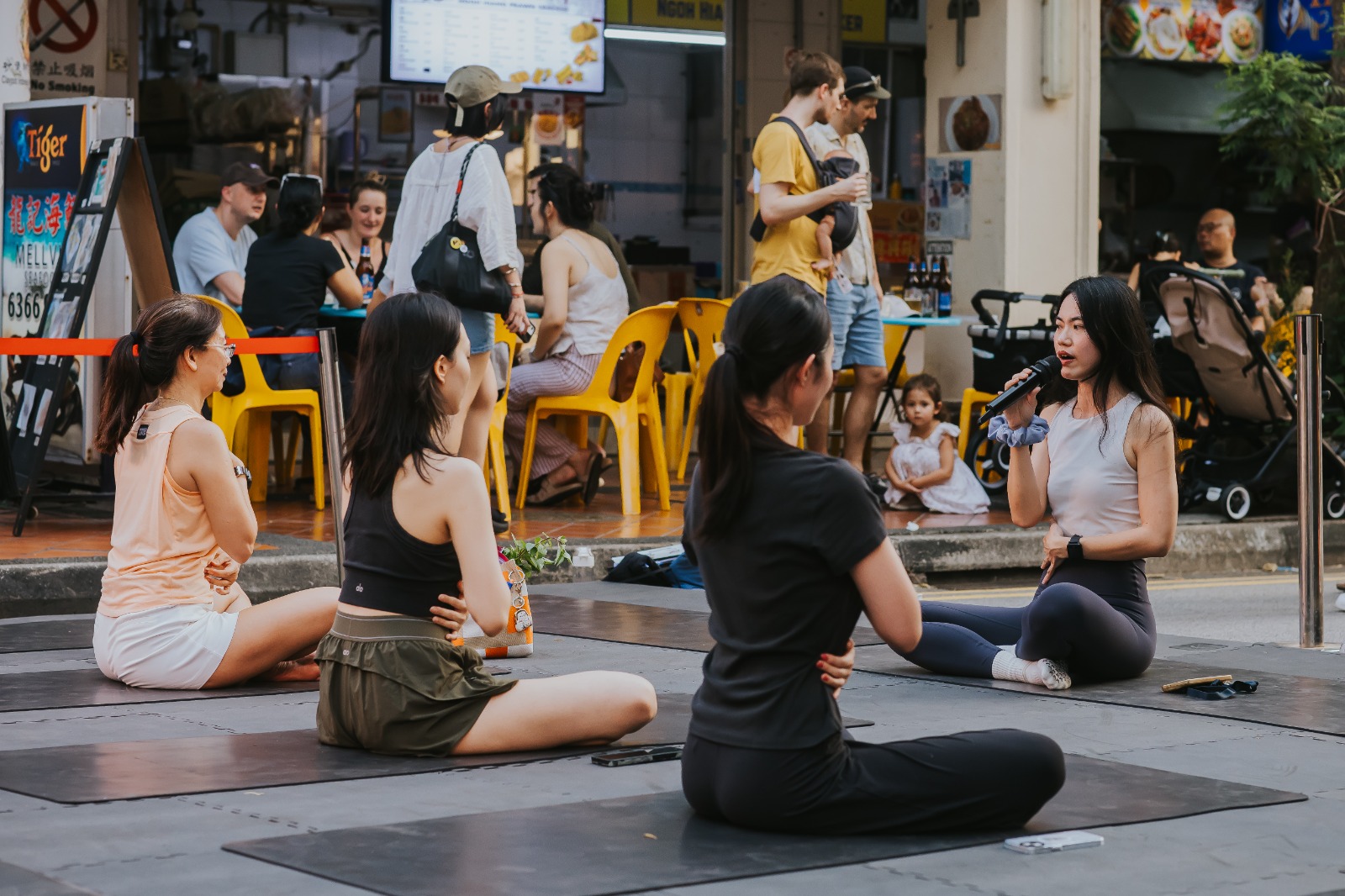
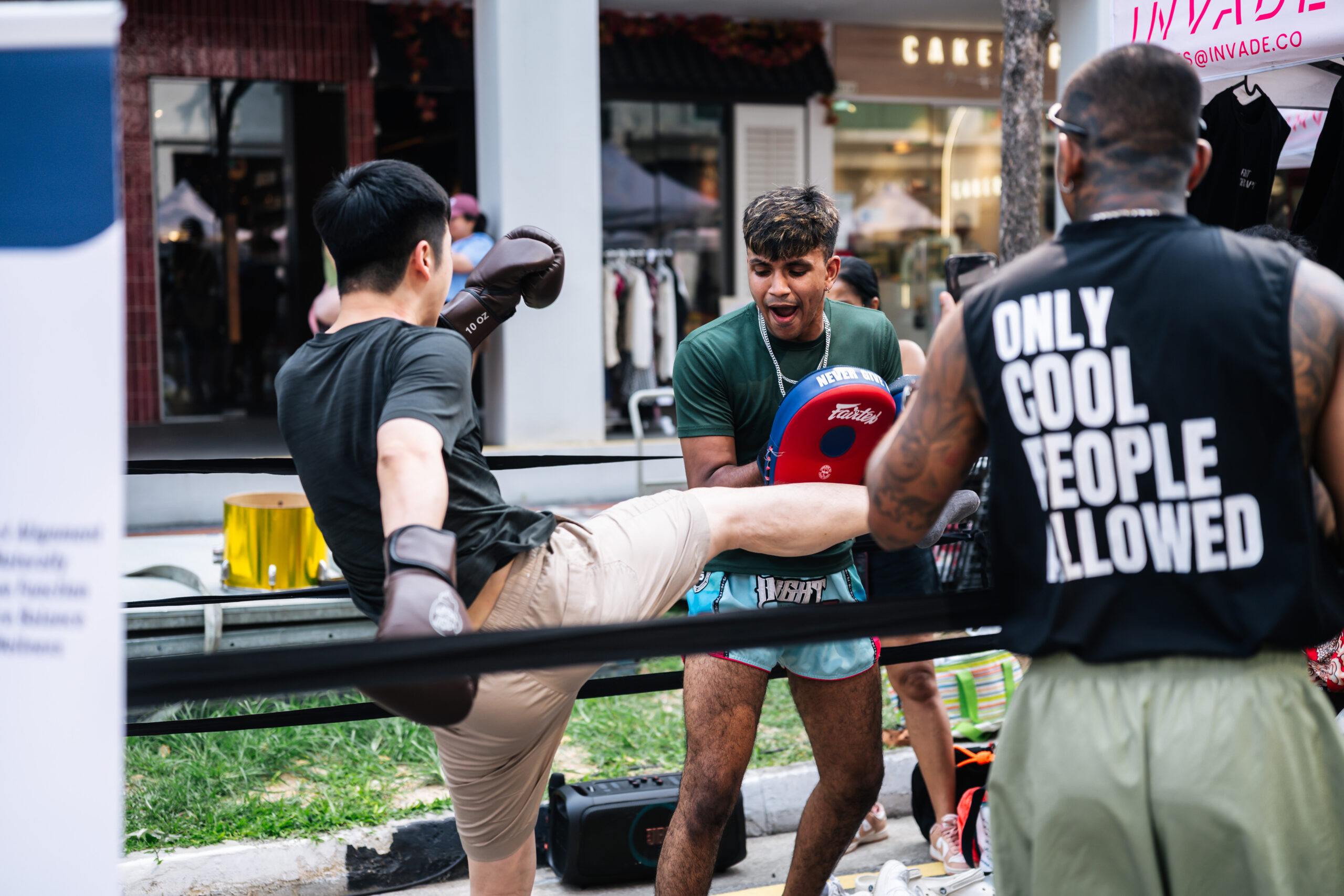
The event’s success lay in its merchant-driven architecture. KJCBA President and TPAS member Edmond Wong stressed that the initiative was conceived as a lasting framework, not a calendar-year novelty. “Car-Free Day gives us the street for an evening. What we do with it is ours, and we have designed it as something we can bring back rather than a one-off,” Wong said. That philosophy was echoed by Head of Placemaking Hannah James, who revealed that the programming was built door-to-door. “Every business along Joo Chiat Road is different, so we’ve really built the evening shop by shop, and some of the most ambitious ideas have come from the smallest businesses.”
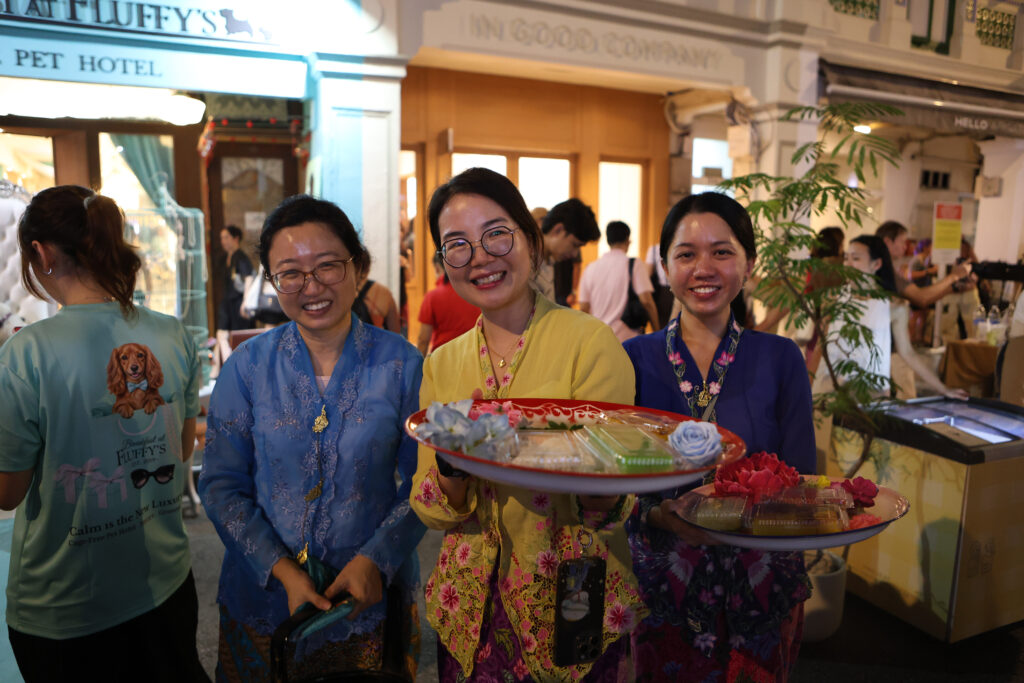
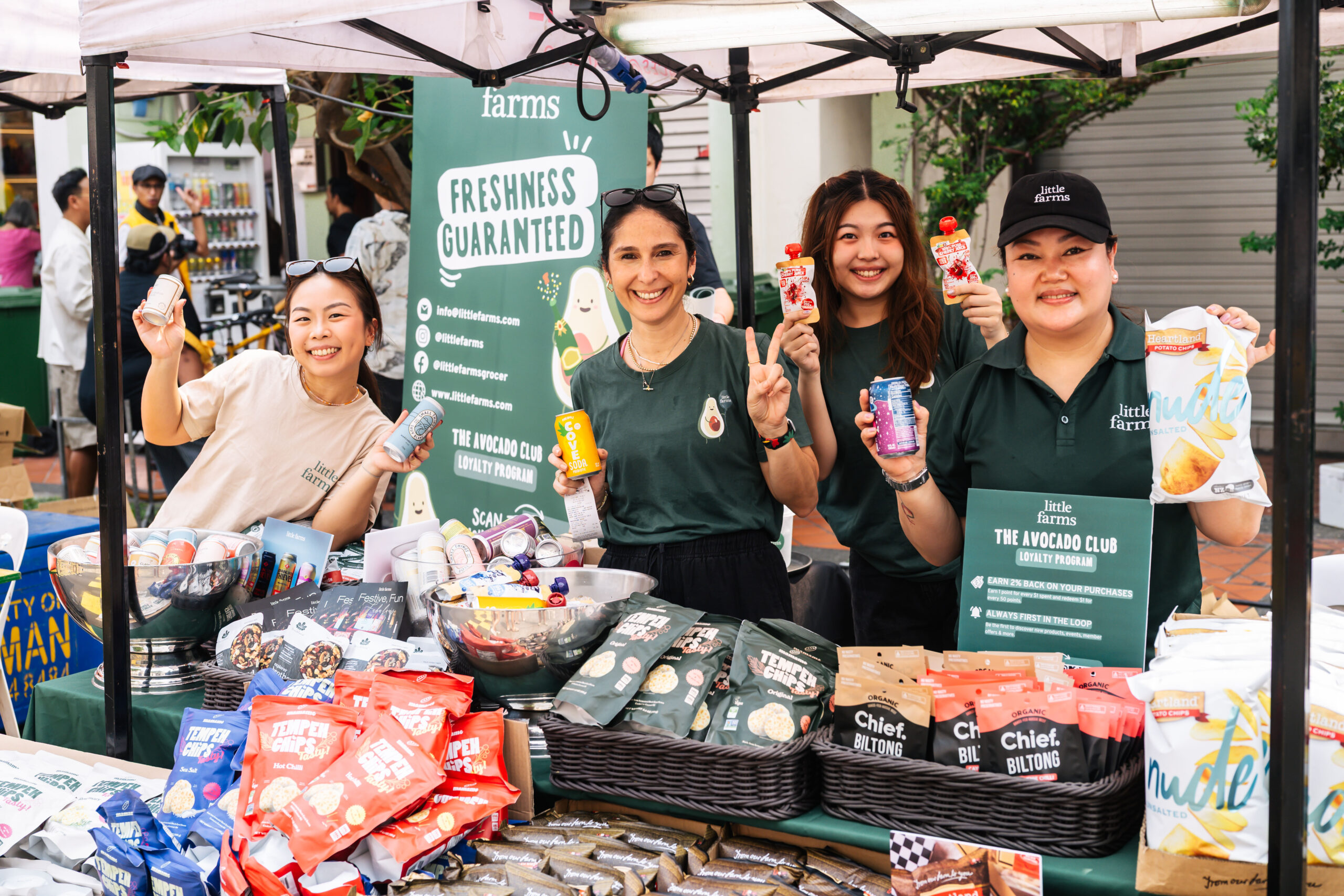
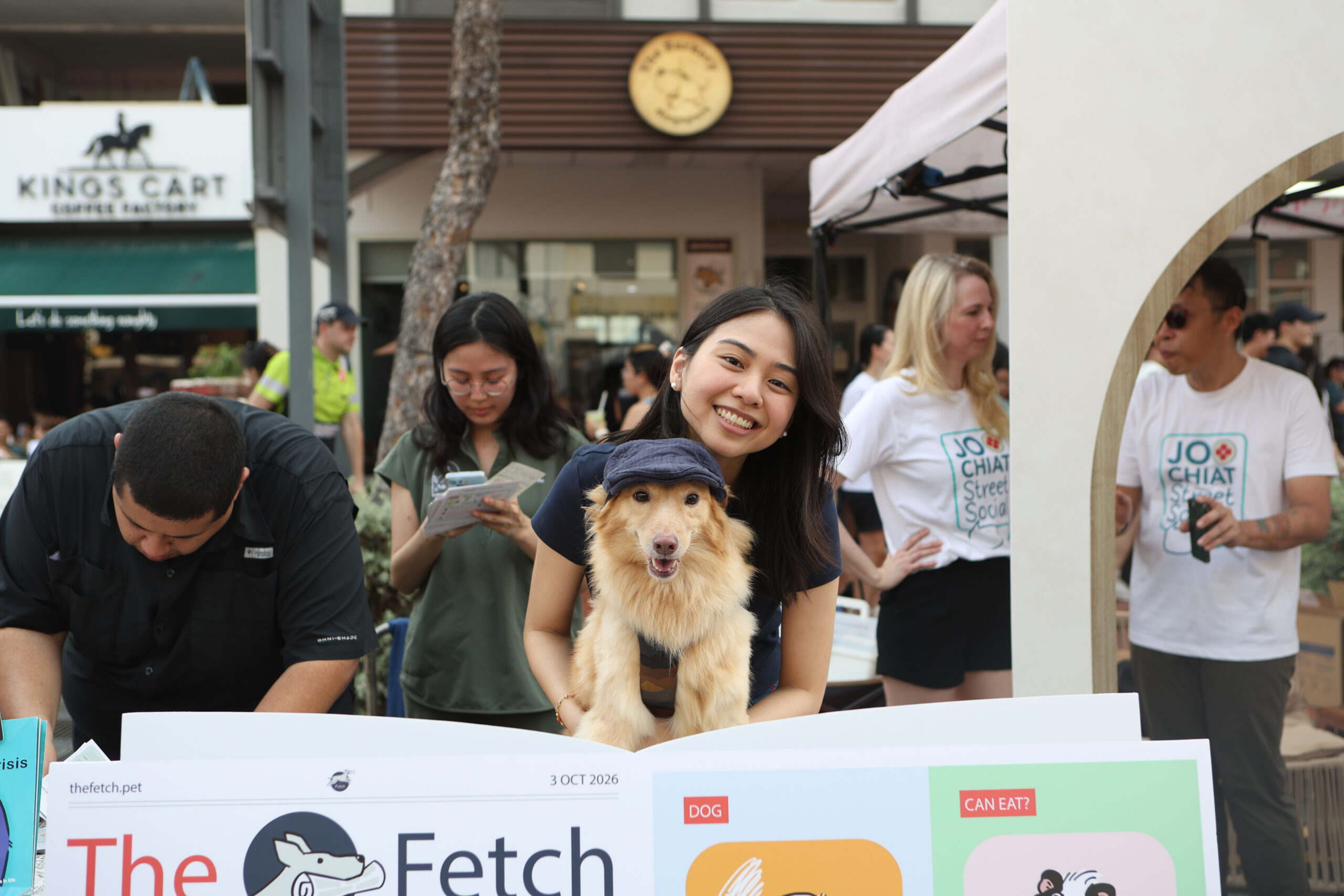
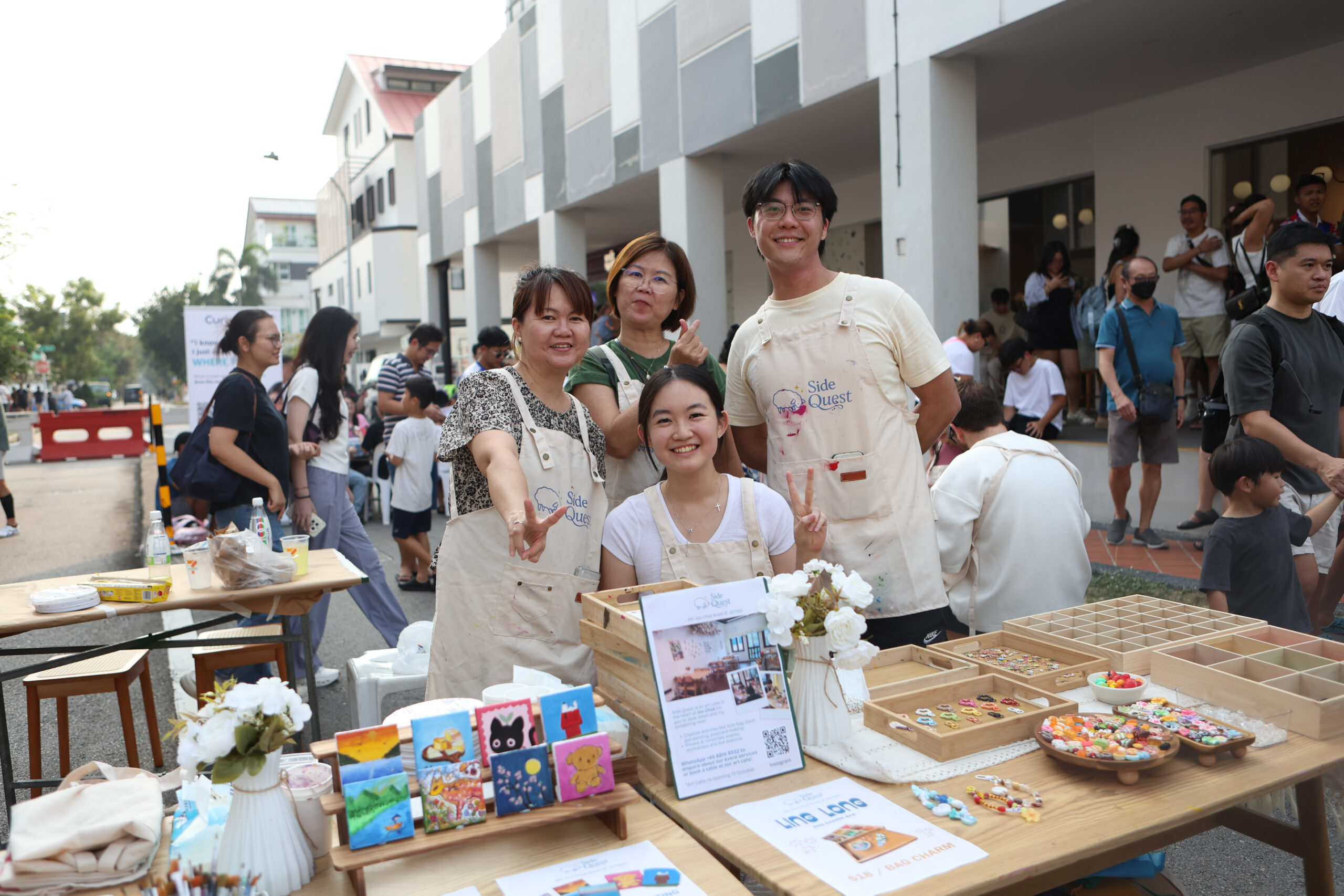
Visitors and merchants alike noted how this grassroots curation shifted the day’s energy. Merchants reported meeting neighbours and first-time walkers who would normally pass their storefronts in transit. The result was a palpable sense of collective ownership—one that aligned perfectly with the KJCBA’s stated mission to act as an interface between residents, business owners, and community leaders.
Joo Chiat Car-Free Day has opened a dialogue about how neighbourhoods can be activated without losing their soul. If the inaugural turnout is any measure, the KJCBA has planted a blueprint worth replicating again and again.