 THE PERANAKAN
Nyonya Eunice Yap pens a touching tribute to her Mama – a woman who taught her the secrets to living a life of fulfillment.
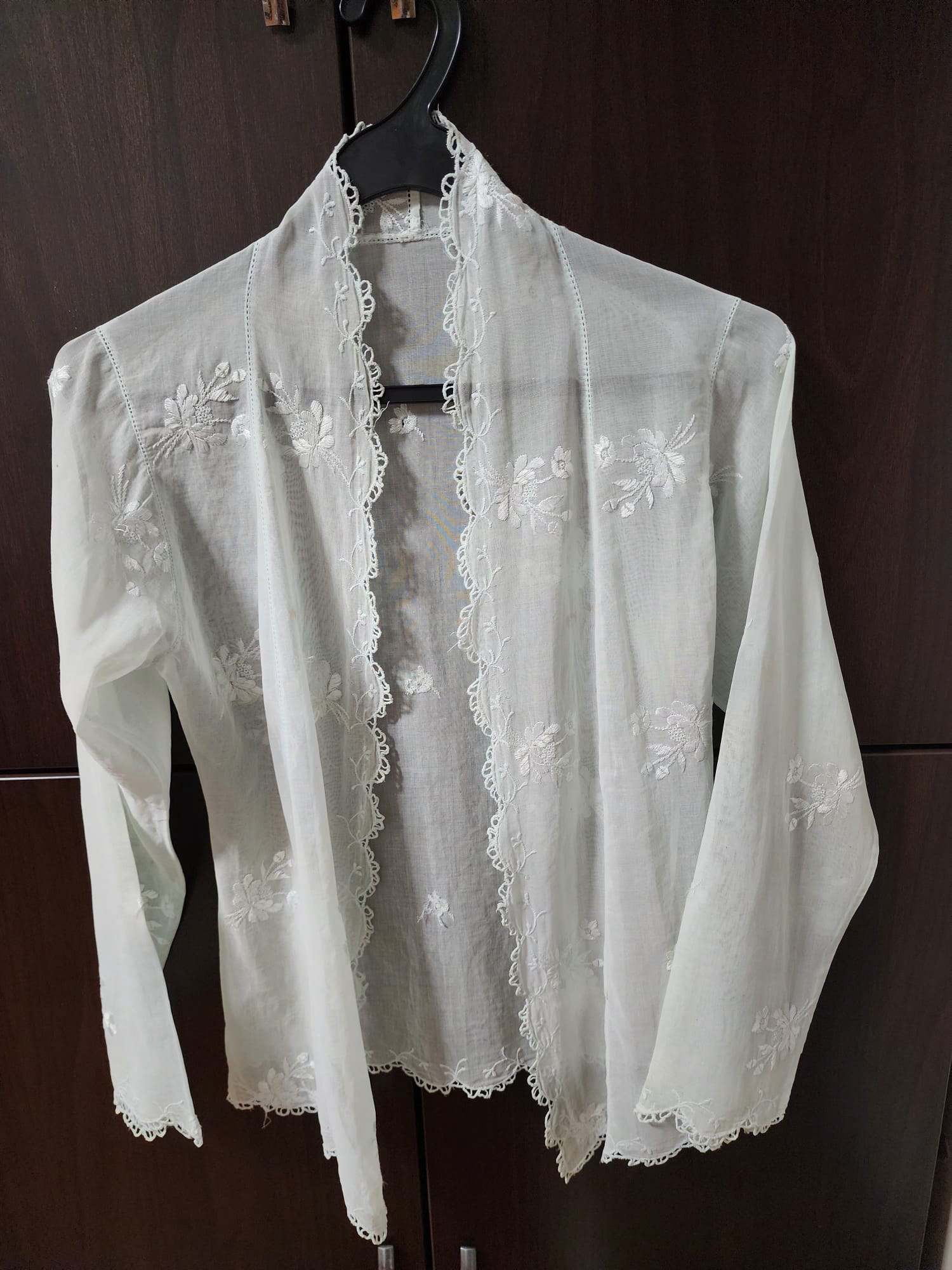
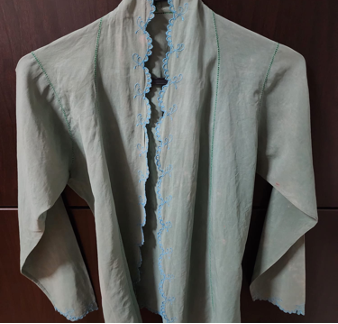
I was looking for a kebaya to wear and rummaged through whatever “hand-me-downs” I have collected over the years. I picked one. Tried it on. But it was too small. Then it struck me that it was my Mama’s kebaya. I noticed an incongruent but discreet stitching across the left shoulder, which looked as if Mama had mended it carefully when it was torn.
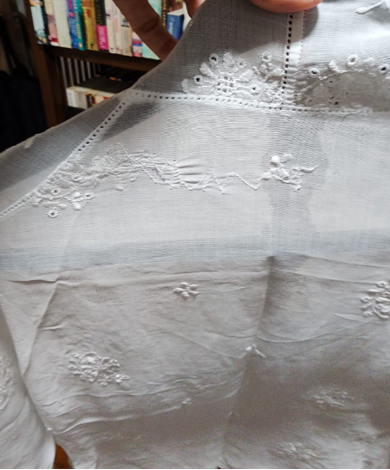
Mama, my maternal grandmother, was nicknamed Mama Kurus a physical comparison made with my paternal grandmother, Mama Gemok.But I always thought Mama Rokok was more appropriate as she always had a cigarette in her hand or left hanging in her mouth while she cooked, cleaned or lounge on the chair.
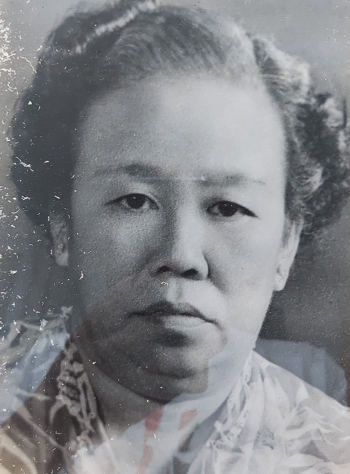
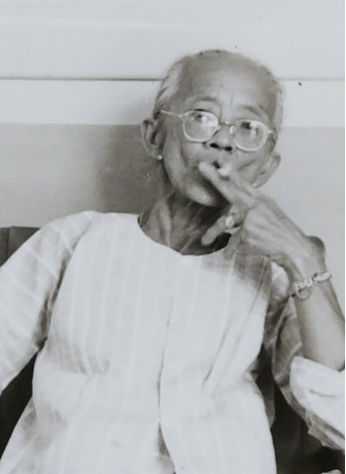
Mama (Mdm Bong Njo Nya) was not your typical Peranakan matriarch – there was no entourage of servants; she did not live in some palatial colonial bungalow in Katong; she was never decked out in intanjewellery; she did not own any kasut manik nor did she have a closetful of colourful kebayas. She was just an ordinary Nyonya.
She wore hand-made blouse over batik sarong with atali pingang; her handful of simple kebayas were sombre in white, brown, grey or blue with minimal embroidery; and the only jewellery she had was a couple of gold bangles, a pair of earrings and a ring (which I reckoned was her wedding band).

Many of the early faceted glass beads used in Peranakan beadwork were imported from Europe. Valued for their clarity, sharp facets, and brilliance, these beads were precious and often reused or kept within families.
The craft faced disruption in the 1940s during World War II, when glass bead production slowed and imports became scarce. Without materials, many families stopped beading altogether. In the decades that followed, as modern lifestyles changed and factory-made shoes became widely available, fewer women had the time to continue such labour-intensive handwork. Gradually, Peranakan beading faded from everyday life.
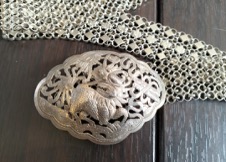
Mama’s Tali Pingang (right)
Mak told me that she was a Teochew-Hakka Peranakan from Beletong, got married to my Hokkien Peranakan Ah Kong, and came to Singapore with him in the 1920s.
Eventually, she became a “single” mother when Ah Kong was rarely home working onboard a ship. Whatever he earned, he gave Mama some allowance but most of it went to chasing dragons in Chinatown’s opium dens. When he was ready to settle down with her, she rejected him. Told him to stay away from her, the family and her home. But they never divorced and he eventually sought solace in a Cantonese mistress who bore him 3 sons.
Rumah
Hence, she was fiercely independent, having to care for 4 children and lived in a rental attap house in a kampong at the foot of Bukit Timah Hill.
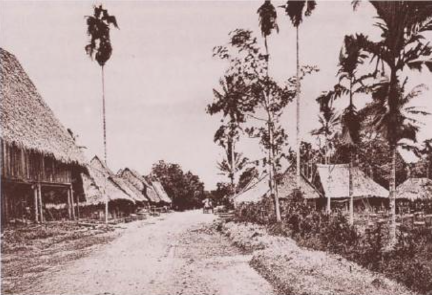
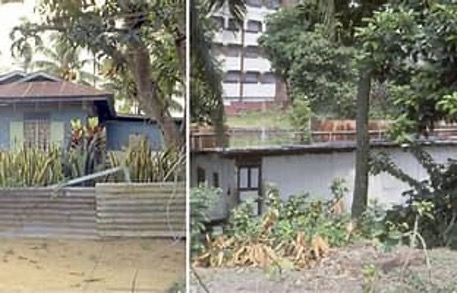
Her home was unpretentious but sufficiently spacious. The living quarter was surrounded by a narrow walkway and a low hedge with no walls separating the neighbours. They would peer over to shout for eggs “Nya ini hari ada telor tak?”(mama had a chicken coop), come over for Mama’s kueh kueh or simply check in on one another. The kampung community was tightly knitted, multi-racial and self-sufficient with a grocery shop and a convenience store.
The upgraded zinc roof in the kitchen can be opened or closed depending on the weather – we loved to play with it, pulling the strings and pretending that we were raising or lowering the flag and joyfully singing the Singapore National Anthem!
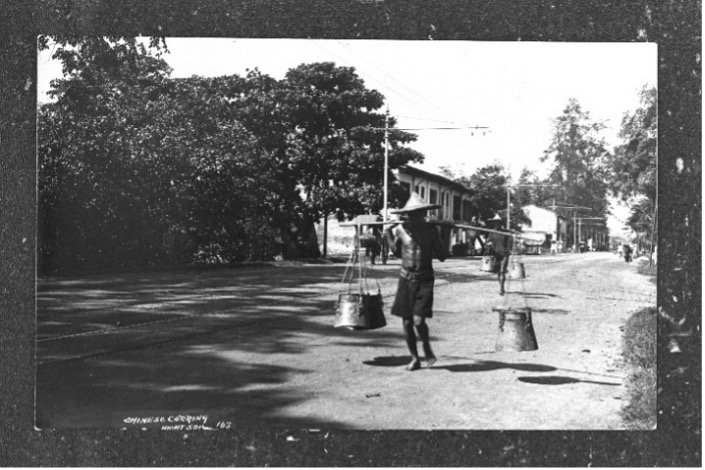
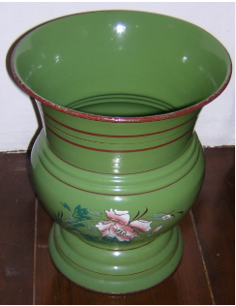
The squat toilet was housed about 10 metres away from the main complex in a little pondok, a claustrophobic space with a hole in the ground and the waste was deposited into a corroded metal pail. This will then be religiously collected by the night-soil uncle. The adults would bring their ration of toilet paper, light a cigarette or burn the mosquito coil to mask the stench before they enter. The children preferred to tahan doing the big business until we got home – we were just too afraid to slip and fall into the shit hole! And mama gave us the privilege to deposit our discharge into the periuk kencing.
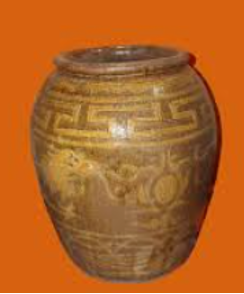
There were also several tempayan around the house that served various purposes – outdoor shower for the kids, washing clothes and to collect rainwater so that Mama could tend to the plants or wash the floor. She will jongkok, lipat her sarong inwards for modesty, and used the sapu lidi to berusthe floor – she didn’t need any help from us as she took pride in keeping her humble home spick and span.
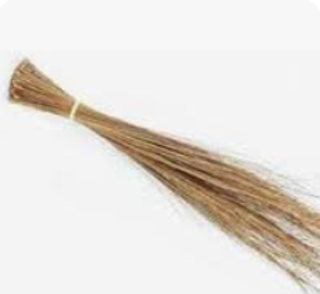
Sapu lidi (right)
We all loved visiting Mama over the weekend and her simple abode will be so lao jiat sampai rumah pun boleh rebuh! The adults would play panching ikan, all seated on the cement floor on a tikar, with kuehs, kopis and rokok on the side. The betting money is small, and I guess it’s their way of passing time and building camaraderie. The children had our own amusement playing “masak masak”, “catching”, hide-and-seek, football, badminton, etc. with our neighbours. This was probably in the 1970s when we were still young, and family outing was mandatory for all of us on weekends.
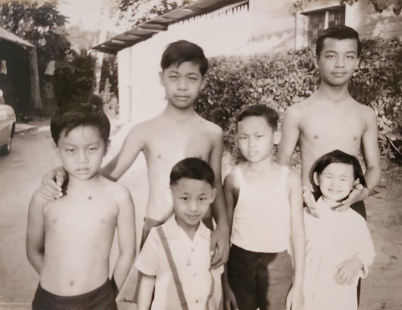
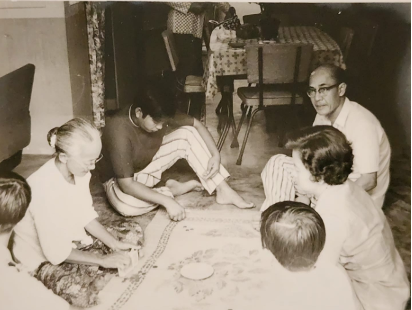
Masak
Mama’s cooking was simple and comforting – her specialties were Thunder Tea Rice, Sasagun and Indonesian kueh kueh. All I could remember is that the dapor always had food for us to curi makan.
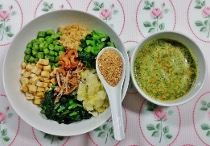
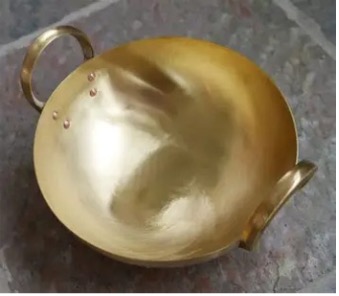
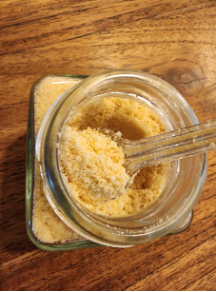
Brass Kwali (centre)
Sasagun (right)
When she cooked Peranakan food, the batu giling or batu lesong would be taken out to grind the spices. But this was a rare occasion, perhaps only during Chinese New Year if I recall correctly. I suspected that the ingredients were too many and expensive to feed the entire family.
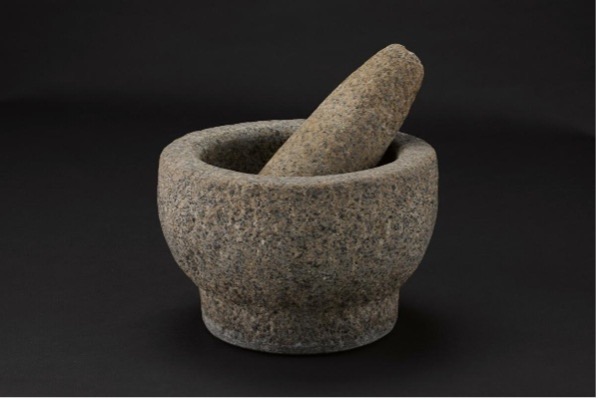
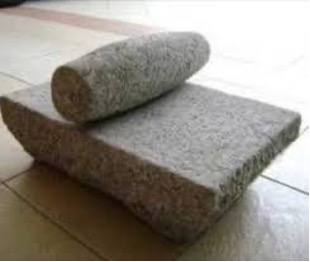
Batu Lesong (left)
Bersolek
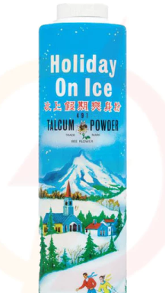
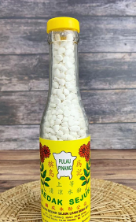
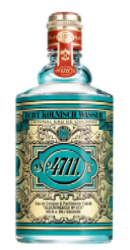
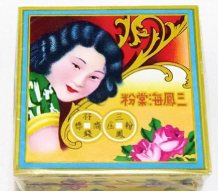
There was no make-up on Mama. All she had on her dressing table were daily staples: a generous dash of Holiday on Ice talcum powder after shower, face plastered with traditional Chinese Sam Fong Hoi Tong Face Powder or Lean Seng Bedak Sejuk Premium Cool Water Powder (on a hot day), and Mermaid Lotion to neatly sleek back her sangol with a comb, fastened by a gold ear-digger as hair pins. And on some rare occasions, a dash or two of 4711 Eau de Cologne for freshness when there were special guests in the house.
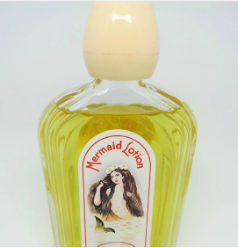
Jahit
Mama was adept with the sewing machine and sewed everything for herself, for the family and for sale – from kebaya with simple sulam of floral patterns, to pillow/bolster cases and tablecloth. Most significant was the colorful patchwork selemok she made for all her cucu – it was cooling and helped to keep the mosquitos away when we stayed over at her house.
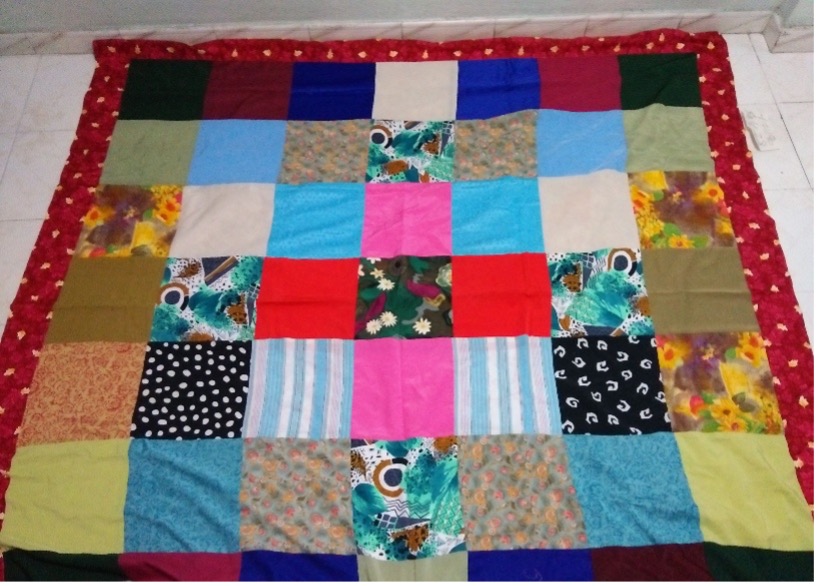
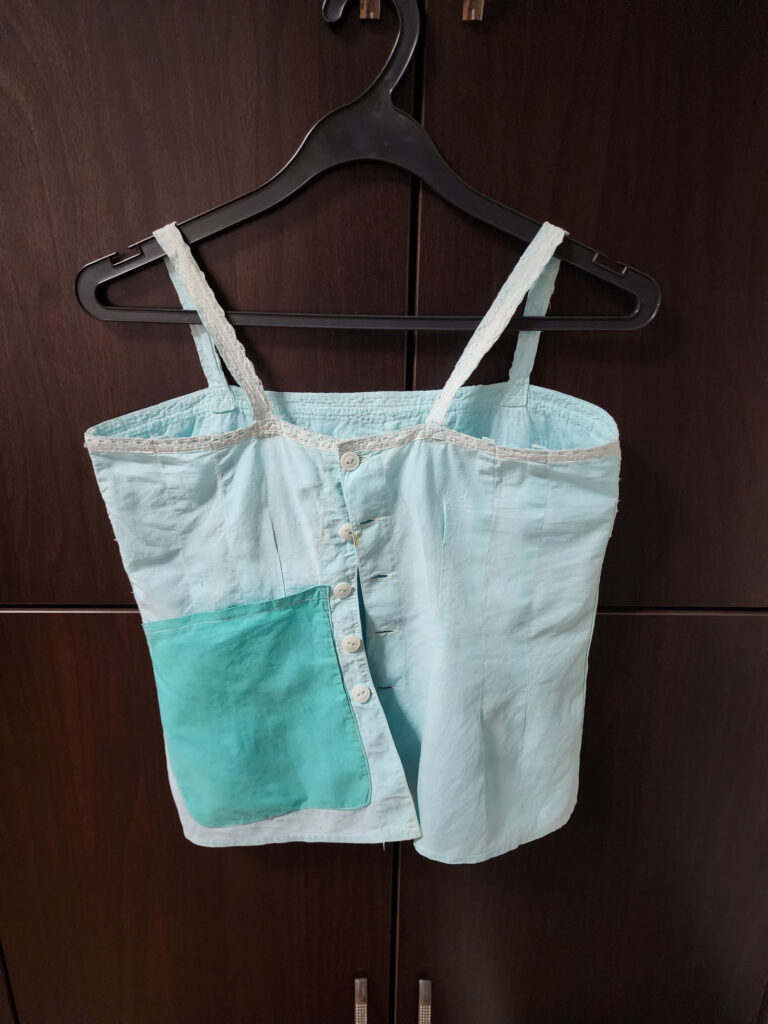
Being economically challenged, Mama was very frugal. She had to survive on government welfare, sold kueh kueh and sewed whatever she could to make ends meet – Mak told me that she had to sell her jewellery to supplement the income.
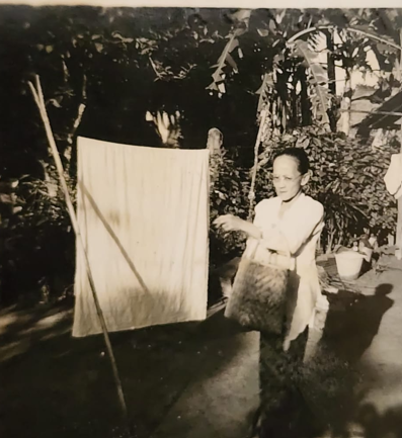
No one spoke about Baby, Mama’s eldest daughter who died of Typhoid fever after the war in her 20s – Baby helped Mama to provide for the family, and sometimes, she would secretly (without Mama’s knowledge) go to Ah Kong’s workplace to demand a monthly allowance when he was in town.
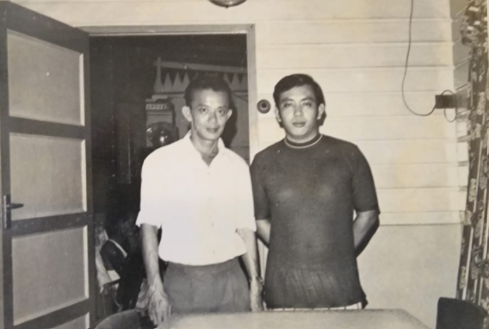
Ah Q was Mama’s eldest and only son. I remembered him to be even-tempered, kind and generous. He was very close to Mama and often enjoyed smoking on the porch and conversed fluently in Hakka together.
Ah G was Mama’s eldest daughter after Ah Q. During the Japanese occupation, she had to wrap her bosom and had her hair shorn as she was attractive and well-endowed. She never went to school nor worked. After the war, she helped Mama around the house. I remembered that she would always sit quietly in the corner to listen to the Hakka channel on Rediffusion and she made the most amazing Kueh Bangkit because it was lemak and the texture was crispy and brittle which melts in your mouth!
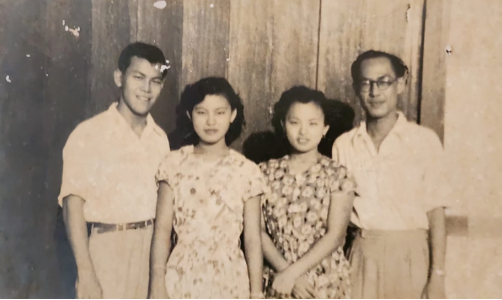
Then came the accidental Baba.
Mak told me that Ah Kong used to carry Baba when he was a baby during his occasional visits to Mama – he claimed that it was a child of his friend who was looking for adoption as the family could not afford the two they already had. After much persuasion, Mama eventually adopted Baba as she was also afraid that he would be abandoned. But everyone suspected and knew – Baba was Ah Kong’s love child – I guess Mama knew too. And I often wondered in awe how big her heart was to accept him like her own despite her economic condition.
I remembered his wedding – it was ostentatious by kampong standards – large tent to house 10-15 tables with relatives, friends and neighbours, 8 course Chinese dinner, and the entire house was red everywhere, from curtains to lanterns to bedsheets. Even the toiletries were tied with little red ribbons!
When I got older and was working and travelling, the visit to see Mama was occasional.
But I recalled that Mama had to leave her home in the 1980s as the land was needed to be redeveloped into a private residential estate. She reluctantly moved out and lived with Ah Q.
When Ah Q was seriously ill and eventually passed on, my parents then decided to have Mama stay with us permanently. We lived in a terrace house then, and all the bedrooms were on the upper floor. But Daddy decided to place an extra bed in the hall so that Mama could hang out with us when we were all downstairs. She was bed-ridden by then. And Daddy would carry or babak her up or down the stairs to her bedroom whenever required.
Ah! This is when Mama had a bad influence on me. When she craved a cigarette, she would ask me to light it and pass it on to her. She did this when there was no one around in the house. So, we both continued to enjoy the occasional puffs and conversations – she would tell me stories and her life’s philosophy – and it remained a “secret” between us.“Lu jangan bilang bapak ka mak lu. Nanti kita mesti ke maki! Diam diam suda.”
At the end of her life, she waited for Mak to return from the market and passed away peacefully in her arms. Mak was devastated as that last moment etched in her memory for a long time. But she finally came to some closure and was thankful that she was at least given the opportunity to see mama alive for one last time.
In life and in death, Mama would always ensure that everything is well placed, completed what she started.
I realised that Mama had a quiet but profound impact on me as a woman growing up and I wanted to write her story as a tribute to this “extra” ordinary woman.
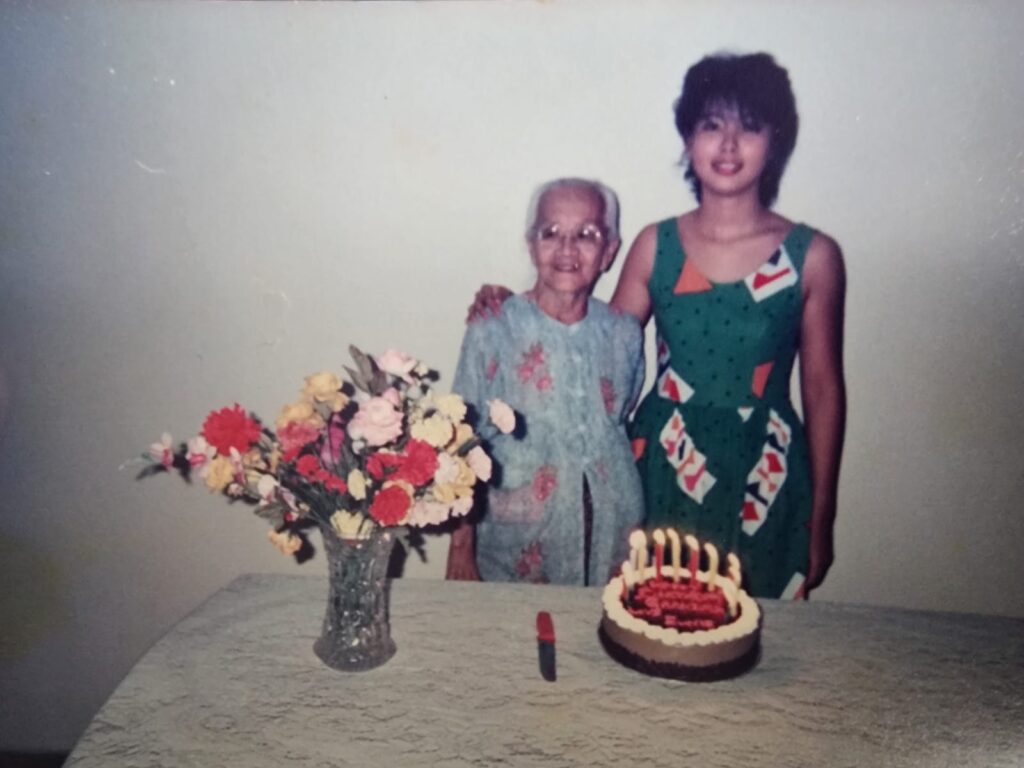
She taught me to be humble and always hold my head up high – she was poor but she was unapologetic about it, and it never made her feel inferior. She unashamedly defied convention by wearing a mended kebaya, wore rubber slippers or clogs instead of kasut manik, choosing oblivion to harsh criticisms made by others. She would quip “Apa mo malu? Kita bukan curi punya – orang mo chakap pantat, itu dia punya pasal. Kita tak paya kesah! Ini kita punya diri! Actsy borak bikin apa? Kochek nanti pun kosong!“
She taught me to always take pride in whatever I choose to do, however small and mundane it may be. Do your best so that you can walk away with a clear conscience of not having given up. “Kita bukan kaya tapi kita tak boleh selekeh. Cuci baju mesti mo bersih. Sekal baju mesti mo licin licin. Bikin barang mesti mo ada kepala ada buntut. Mesti mo senono.”
She taught me generosity, to always give and share what you can with others so that joy can be doubled. She had such a big heart, adopting my Ah Kong’s love child as her own, and helping people around her even when she barely made ends meet. “Ini dunia, kita semua mesti kena balik di tanah. Jangan tengok orang takda mata. Kita boleh tolong, kita tolong orang. Duit boleh untong balik. Hati mesto mo bagus. Kalau orang kaya tapi hati busok, baik jangan jadi orang. Jadi hantu lagi bagus!”
She taught me never to feel bitter or betrayed when something bad happens – there is no need to seek revenge. Just move on. Mama was “abandoned” by Ah Kong, but her immense love, strength, courage and determination pulled the children and family together. A courageously brave soul, giving everything she had for the family without blaming Ah Kong. “Simpan dalam hati nanti hati lagi sakit! Lepaskan. Jangan ingat sangat banyak. Besok ada besok punya risau.”
So here I am today. I embrace my forebears, and all that I am today, I chose to learn the good, forgive and forget the bad, and unlearn the ugly past.
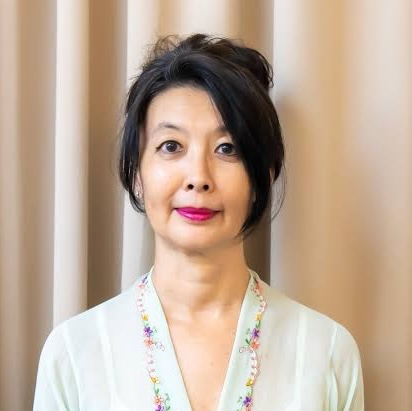
Nyonya Eunice Yap is also the author of Anak Bongsu, which won First Prize at the Baba Nyonya Literary Festival Writing Competition in 2024. This story, Kebaya Mama, is being developed for theatre; read more here.