 THE PERANAKAN
As part of its aim to highlight cross-cultural art, an exhibition titled Peacock Power: Beauty and Symbolism Across Cultures,
is ongoing at the Peranakan Museum in Singapore until 30 Aug 2026.
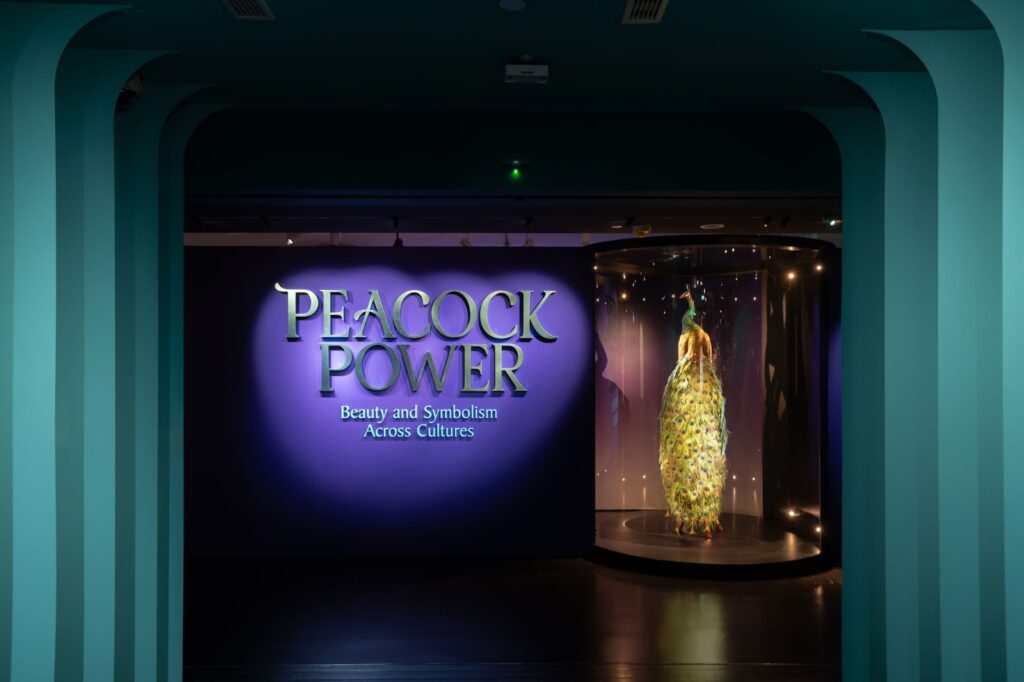
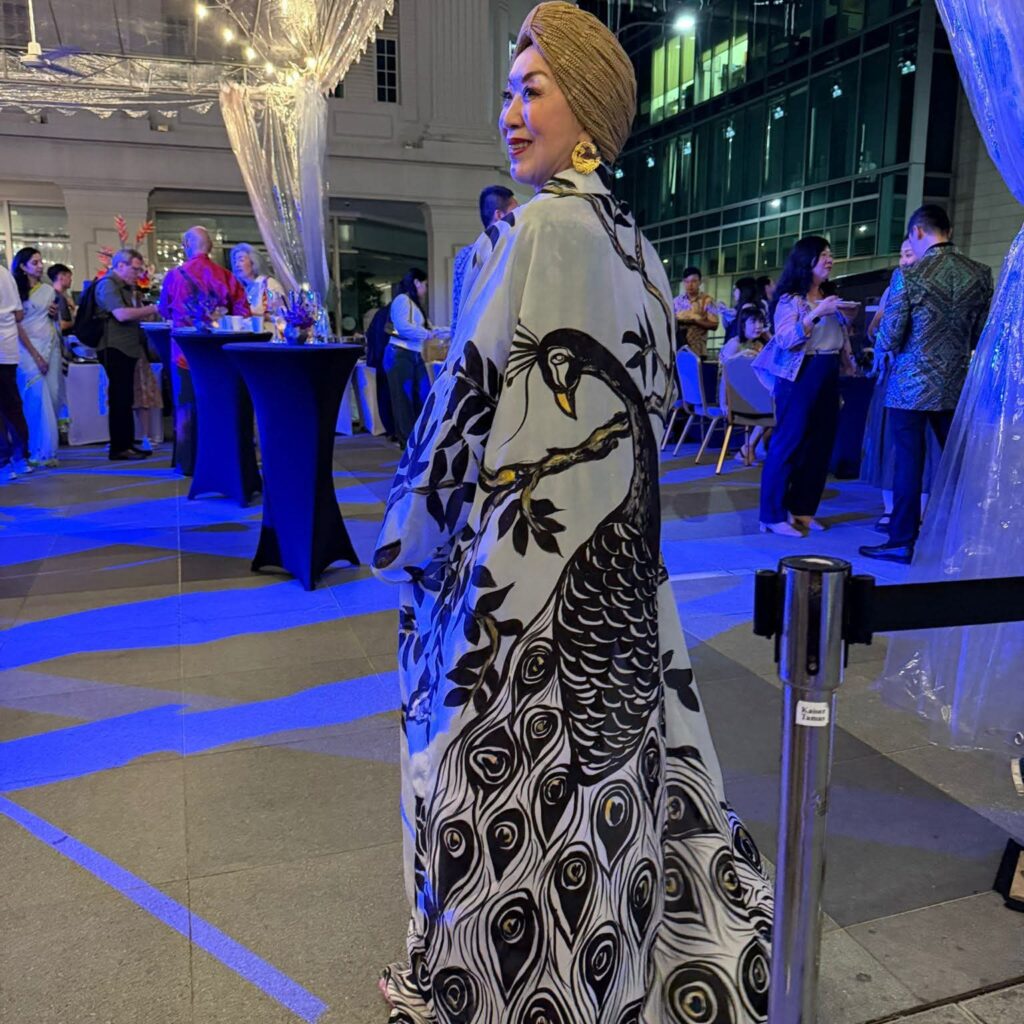
It was an evening of panache for the Peranakan Museum on 30 Oct 2025 as Minister Baey Yam Keng officiated the opening of Peacock Power: Beauty and symbolism across cultures. Guests turned up in iridescent finery to celebrate the peafowl in all its glory and its myriad iterations across multiple cultures.
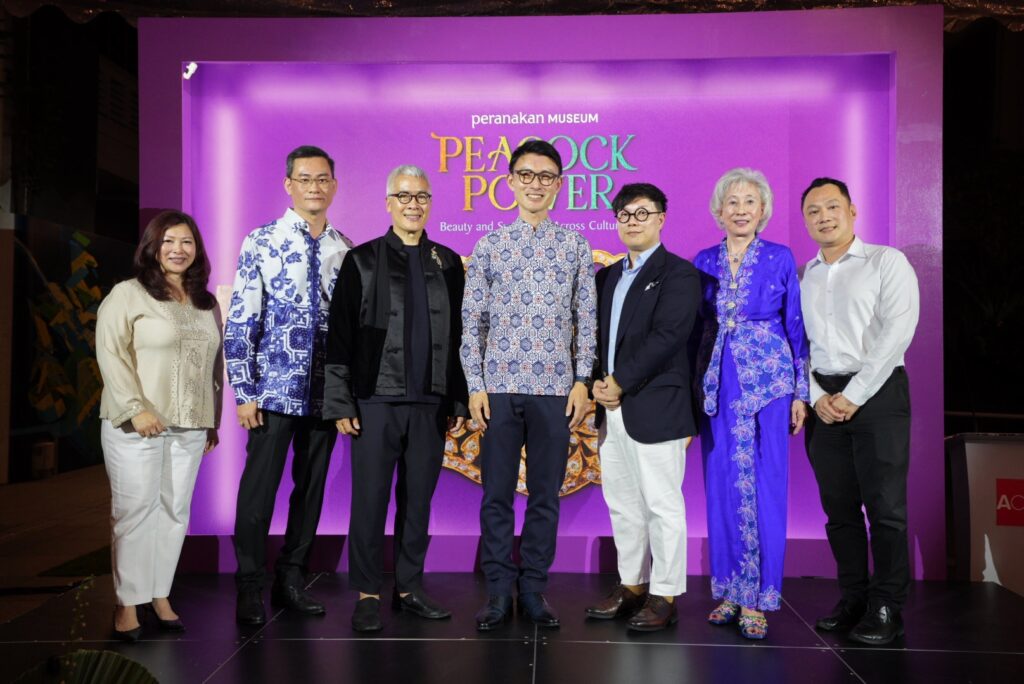
“Our aim is to situate Peranakan art and culture within the broader framework of global networks and flows – contexts of migration, trade, faith and encounter that have long shaped this region,” states Mr Clement Onn, Director of the Asian Civilisations Museum & Peranakan Museum.
The exhibition was also presented by Curatorial Advisor Baba Peter Lee, who playfully noted that while the bird is a visual spectacle, its crowing is akin to a series of jarring wails, hence “nature or God is fair!”
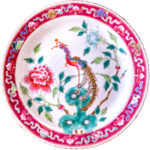
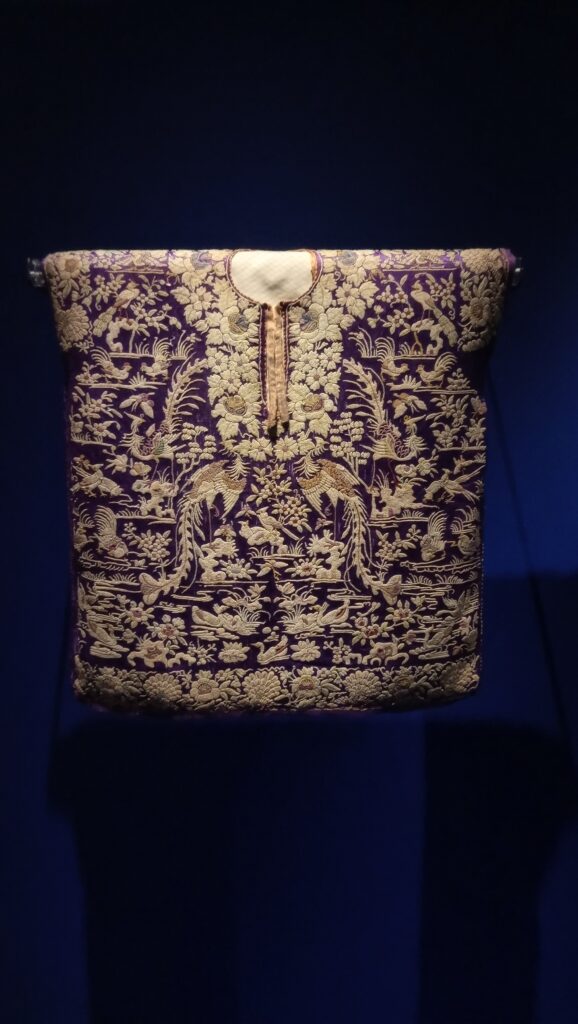
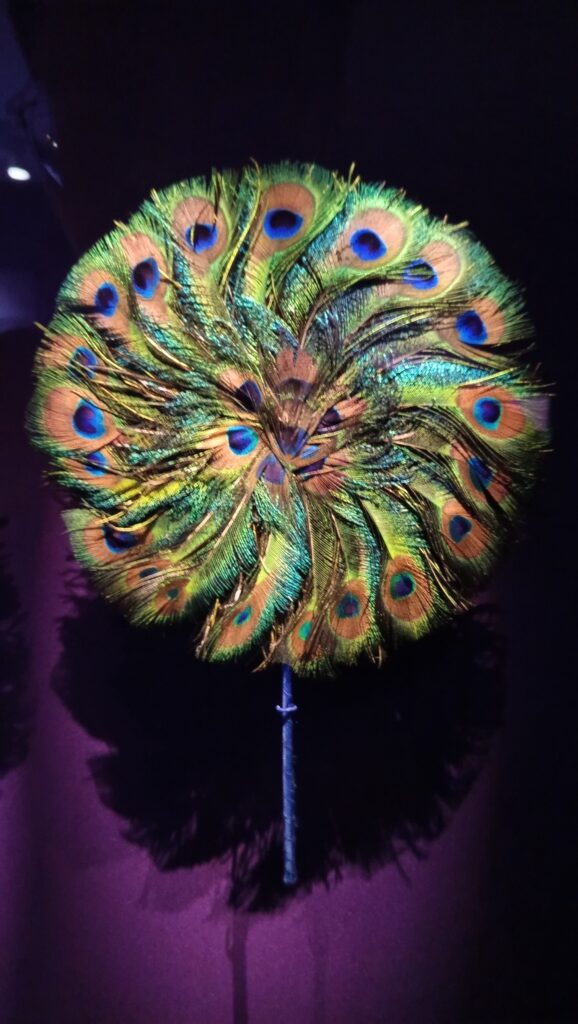
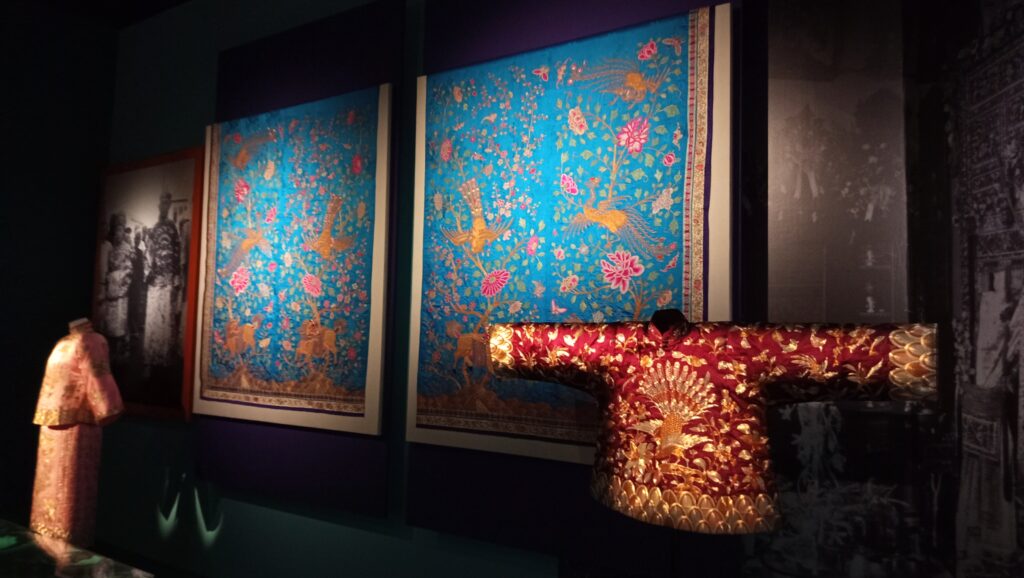
In Peranakan and Asian cultures, the peacock is revered as an auspicious symbol of beauty, grace, and prosperity. Its iridescent plumage, often associated with opulence and divine splendour, embodies renewal, dignity, and good fortune. In nyonya decorative arts—such as porcelain, beadwork, and embroidery—the peacock frequently appears as a motif symbolising abundance and harmony within the home. Across Asia, it is also linked to nobility and spiritual protection: in Chinese culture, the peacock represents rank and virtue; in Indian tradition, it is sacred to the goddess Saraswati, a symbol of wisdom and compassion. Together, these layered meanings make the peacock a powerful emblem of elegance and auspiciousness in Asian aesthetics and belief.
Here are some of the exhibition highlights, selected by our editors:
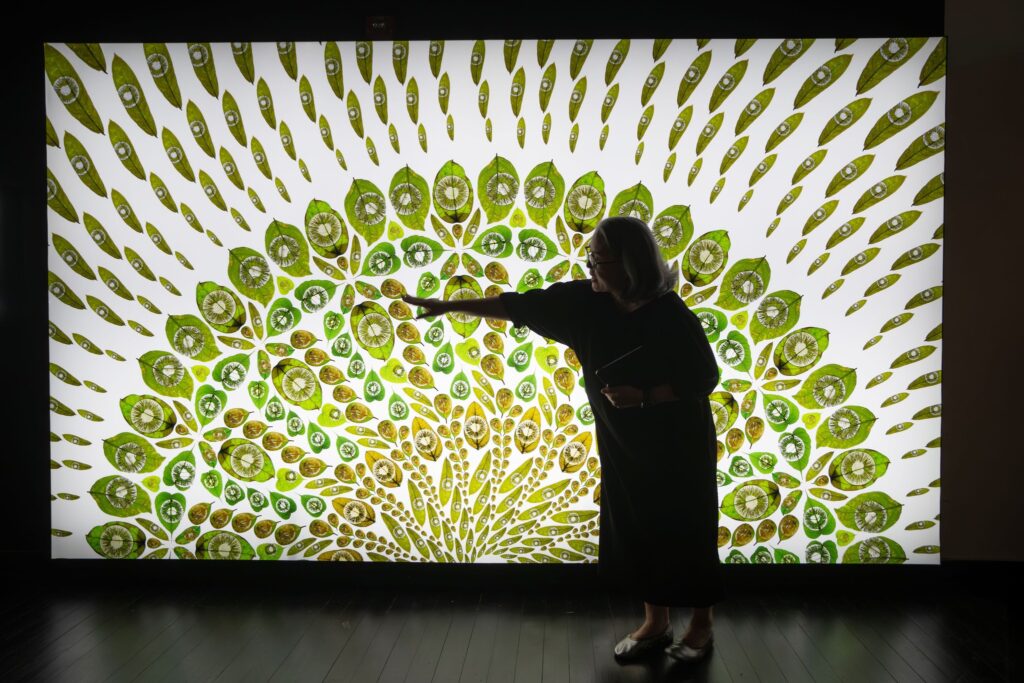
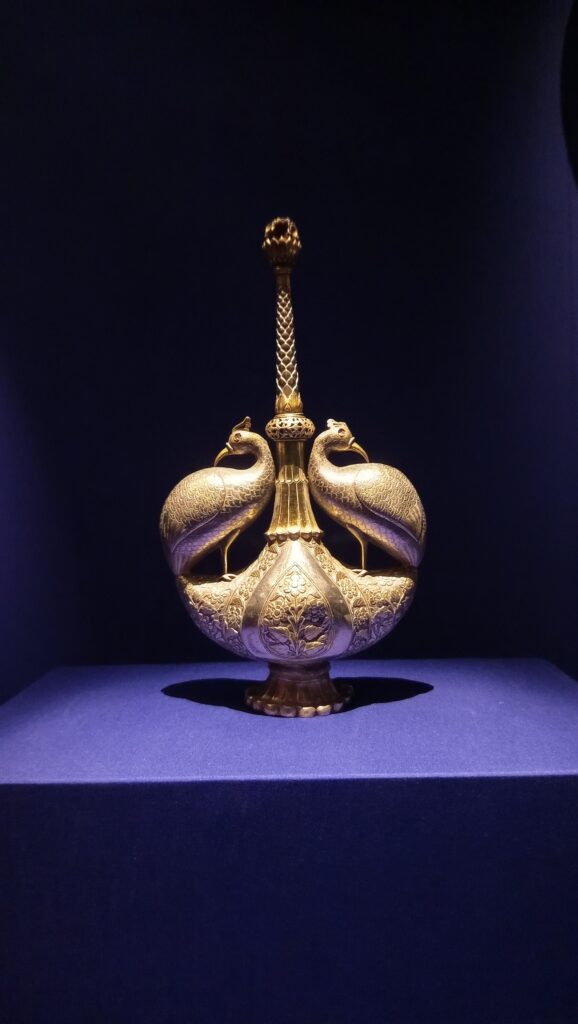
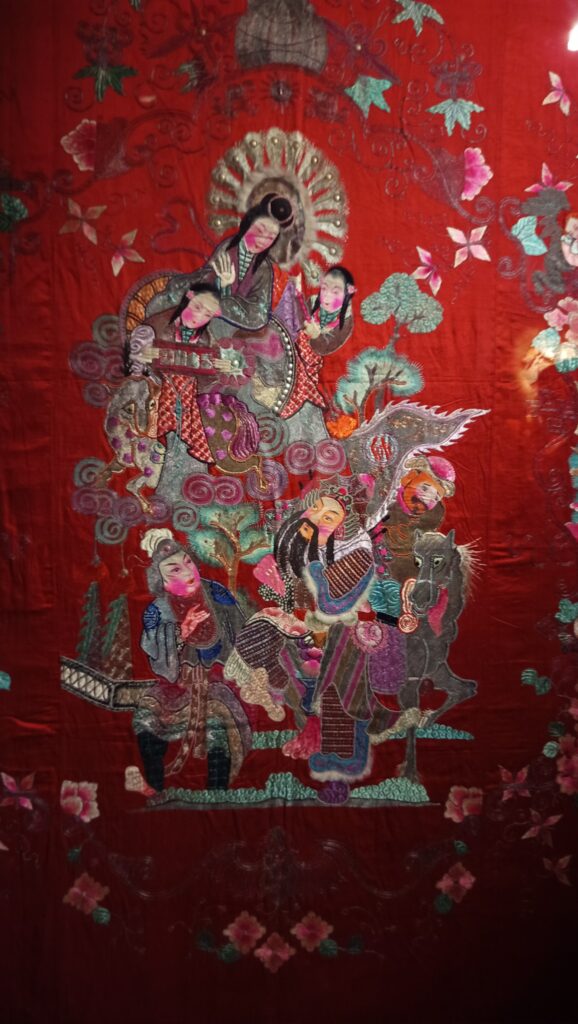
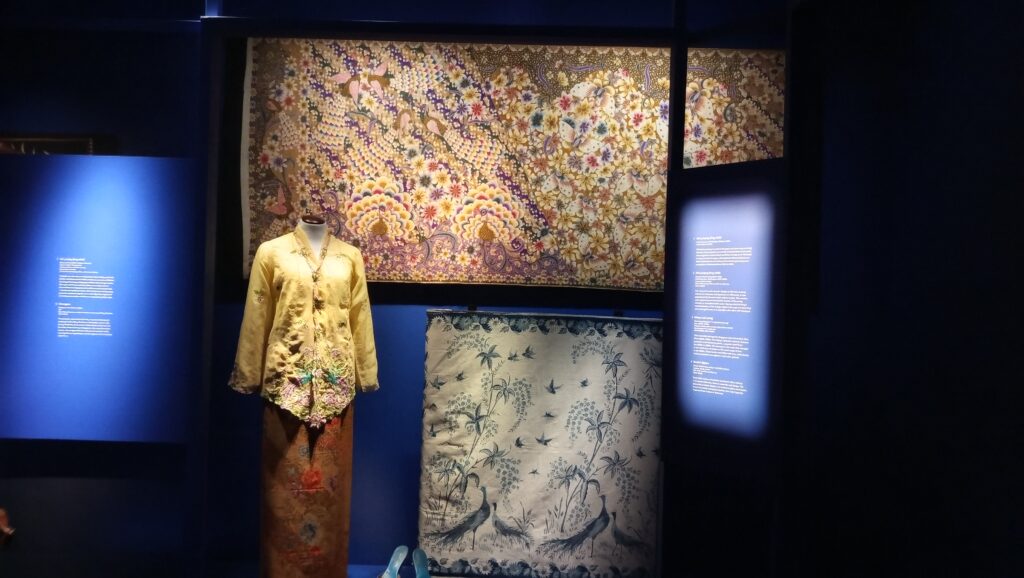
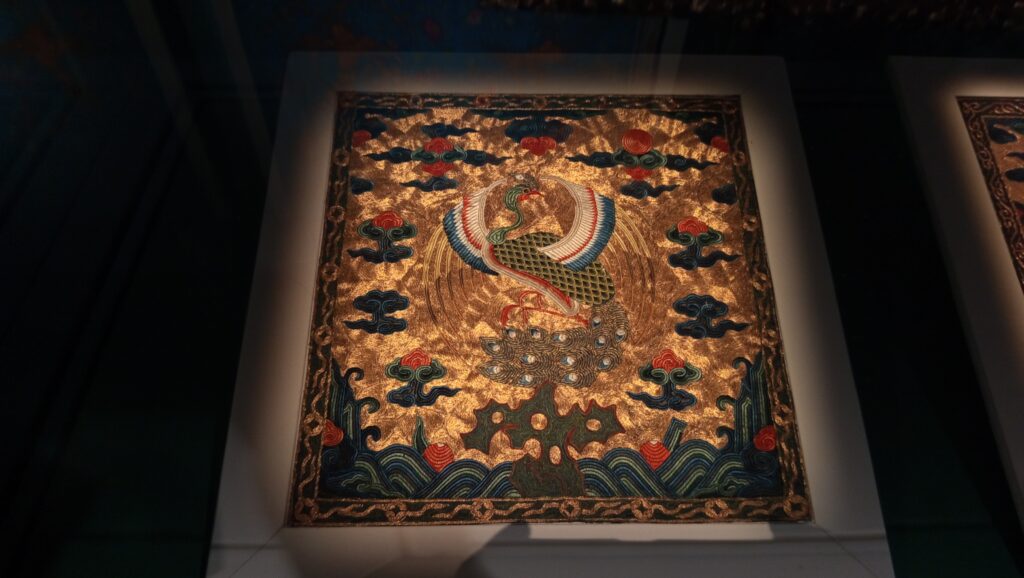
Peacock Power: Beauty and Symbolism Across Cultures
31 Oct 2025 — 30 Aug 2026
Peranakan Museum
39 Armenian St, Singapore 179941
+65 6332 7591
For more information, please visit here.