 THE PERANAKAN
Nyonya Cynthia Wee-Hoefer celebrates the banana with the Chakap Baba-Nyonya group.
There was much ado over the sambal belachan when our group Chakap Baba-Nyonya launched our first Chakap Masak last March at the Allspice Institute in Jalan Bukit Merah.
Our team (Lilian Chua, Iris Tay, Eugene Lim, Irene Ong and Noreen Chan) wanted to engage people in speaking more of the Baba patois. Alas, the audience of about 60 were split among those who could chakap (speak) Baba Malay and those who could not.
Nevertheless, it was a fun afternoon redolent of toasted belachanin the kitchen studio and the ringing of stone-hitting-stone of the batu lesong (stone pestle and mortar) when Nyonya Noreen prepared the sambal belachan.
The takeaway was that you can now prepare the beloved sambal belachan without offending neighbours by using the “serbok” or ready-toasted ground belachan.
Among the dishes we mentioned that you can use the sambal belachan with are the sambal nanair/nanas (with chopped pineapple), sambal penchurik (a house specialty of Noreen’s grandmother using belimbing fruit) and the mention of sambal jantong pisang(banana buds salad).
For the second episode of Chakap Masak early July, we focused on the pisang, the much beloved but underrated fruit in our lives.
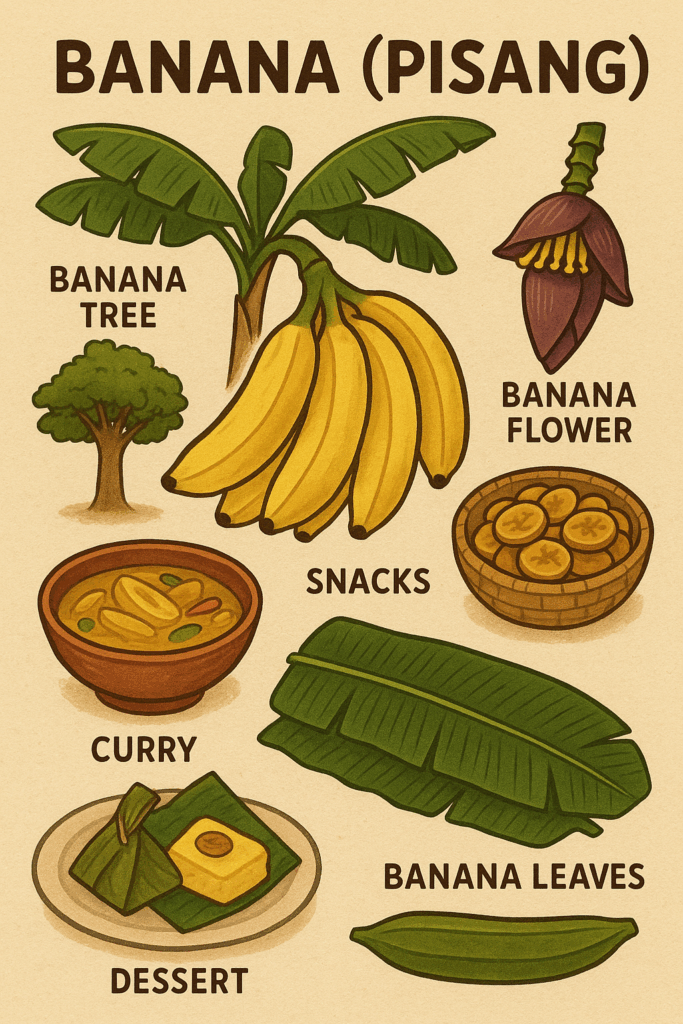
There was a slideshow running through the banana as a “herb” and not strictly a plant because it has no trunk, only a densely wound covering that unfurls into the majestic green leaves.
We talked about the many uses of the banana as food wrappers and receptacles; banana fibre made into mats, bags and even garments like the Filipino barong tagalog.
There were slides showing the different local varieties and indeed, we displayed eight combs of ripe and enticing bananas.
Of all things the banana is known for are the desserts and the cooking demonstration by Noreen showed the ease to prepare the pengat pisang (banana slices cooked in coconut milk and palm sugar). Chef Anup made the putu tegair (banana encased with glutinous rice flour paste, wrapped in banana leaf and steamed) effortlessly.
The piéce de resistance dish is the sambal jantong pisang using the purplish-red heart-shaped banana bud and the rows of flowers between the bracts. The flavoring here is the sambal belachan mixed with lime juice, sugar, salt and garnished with bunga kantan (torch ginger), sliced shallots, santan (coconut milk) and sliced belimbing fruit.
After the demo, we explained the banana and its significance on religion, history and folklore. The Japanese “military yen” that became known as duit pisang or banana notes were brought out for the audience who have not seen the infamous worthless currency at the end of the occupation.
Banana trees are also tied up with the mythical Pontianak and the Ba Jiao Jing spirit known in our folklore. We explained why there are the Banana Republics and the political oppression of the American power over poorer countries made to grown bananas.
One thing that alludes a person to a banana is that he or she is “yellow on the outside and white inside.” This was followed with a reading in Baba Malay of an excerpt of Bibik Pisang written by Rosie Tay in her book Bibik Ni Mak Nenek.
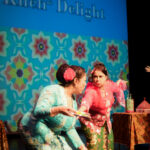
Storyteller Louisa Ong brought out the whimsical character Nyonya Jessie and her “atas” (lofty Westernised) way of entertaining, with much aplomb; audience members with little knowledge of the patois followed the projected translation in English.
Finally, Nyonya Lilian Chua recited a pantun on pisang and she was joined by Nyonya Agnes Ng as they sang a catching Pisang Abu Abu Indonesian song.
The session ended with makan kechik or light meal of dry mee siam, sambal jantong pisang, goreng pisang and putu tegair. The audience went home happy with recipes and two fingers or more of the different bananas that were laid out.