 THE PERANAKAN
Baba Ong Jin Teong explores the evolution and varieties of the glutinous rice dumpling or chang.
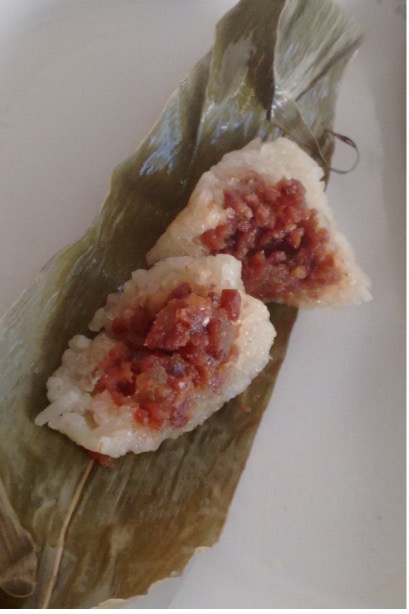
This article is about chang (in Penang Hokkien dialect) or zongzi, which refers to the glutinous dumplings wrapped with leaves, distinguishing it from other Chinese dumplings known as jiaozi, baoxi, and tang yuan. Jiaozi is wrapped in a thin unleavened dough made of wheat flour, like wantan. Bao literally means ‘wrap’, referring to the soft, fluffy leaven dough used to wrap the baoxi fillings. Tang yuan is made from glutinous rice flour that forms a smooth chewy ball with or without fillings like kueh ee.
1 – Synopsis
This article’s genesis was my PowerPoint presentation that preceded a hands-on demonstration on wrapping chang, conducted for members of the Peranakan Association Singapore a few years ago. Since then, I have completed more research and also explored several related topics like regional variations of zongxi in China, chimaki from Japan, and tamales from Mesoamerica, which pre-date the zongxi! This material forms the second section of this paper.
It is followed by a short section on traditional practices relating to chang, like separating rice from the glutinous rice and the use of traditional food additive and traditional beliefs about consuming glutinous rice.The fourth section of the article is about significant and interesting variations of Chinese regional zongxi followed by the variations of chang among the Chinese dialect communities in Malaysia and Singapore.

There is a fifth section on nyonya chang from the old Straits Settlement states of Melaka, Penang and Singapore. The local variations of chang from across ASEAN follows. Tee chang and its local variants are covered in another section of this article. The preparation process of chang is tedious and time consuming, so there is also a chapter on efficient methods,techniques and aids to speed up the process.
Finally, we shall end with a summary and some comments.
2 – Origins and Global Variants
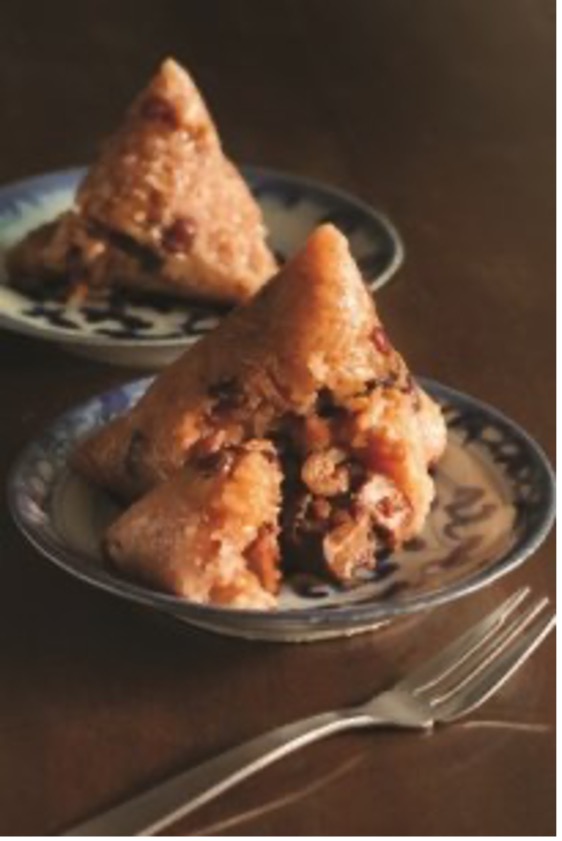
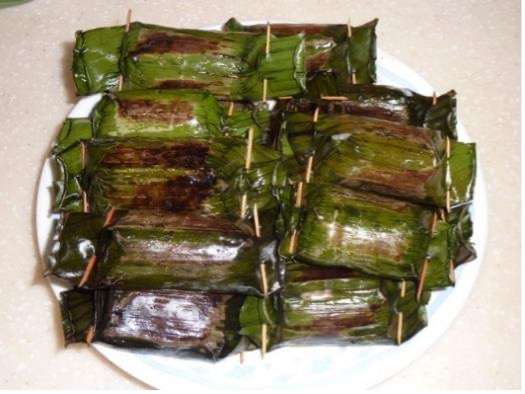
Chang or zongzi are glutinous rice dumplings wrapped in leaves with different fillings and cooked for a few hours by steaming or boiling. Most zongzi are commonly wrapped into tetrahedrons, elongated cylinders, or conical forms. They have a long and fascinating history, dating back at least 2,000 years to ancient China. Chang is traditionally prepared for the Dragon Boat or Duanwu Festival on the fifth day of the fifth month in the lunar calendar (hence double fifth or Duanwu in Mandarin). There are significant variations in the way chang are prepared in the Northern and Southern Provinces of China in terms of the wrapping and fillings used. In the North, the fillings are traditionally sweet and meat is seldom used while those in the South are savoury.
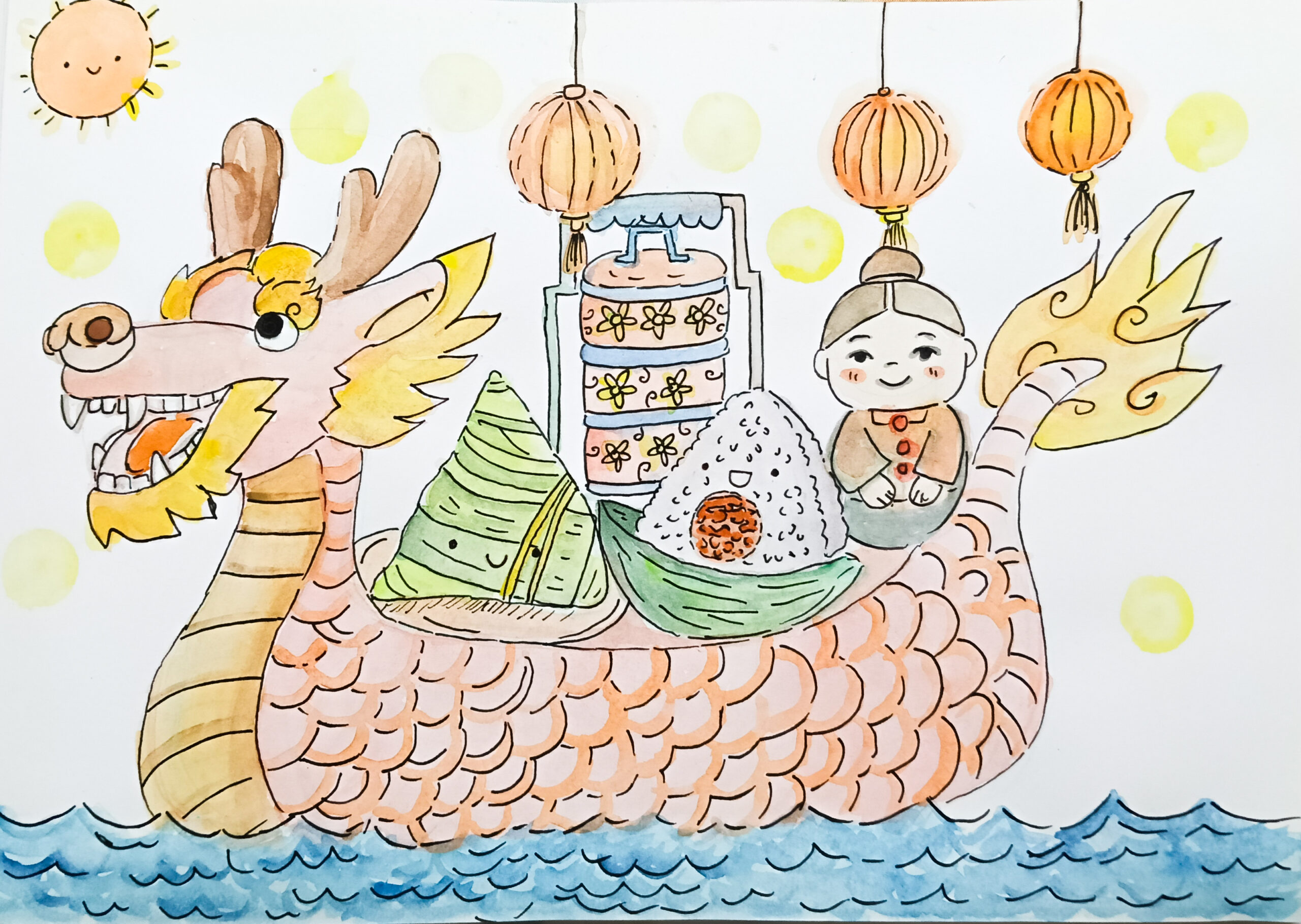
The Dragon Boat Festival is widely observed outside China, especially in the neighbouring ASEAN countries. Although chang is traditionally prepared during the double fifth, it has always been a convenient portable and nutritious food for farmers, soldiers, scholars, hunters, and travellers. Today, chang is made commercially and available throughout the year. This is why China led the effort to establish an international standard for zongzi, through the Codex Alimentarius Commission (CAC), a joint body of the United Nations Food and Agriculture Organization (FAO)and theWorld Health Organization (WHO). Japan, South Korea, Singapore, Thailand, Poland, and the United Stateshelped in drafting the standard. (See this YouTube video).
Chimaki is a Japanese variant of zongxi. It is enjoyed on Children’s day in Japan on 5th May. Traditionally, it was also celebrated on the 5th day of the 5th month of the lunar year but Japan has adopted the Gregorian calendar. There are both sweet and savoury types of chimaki. The type of leaves used to wrap the chimaki and its shape has evolved over the years in the different regions of Japan. The early chimaki was wrapped with grass leaves called cigaya. Later, this was replaced with bamboo leaves. There are at least three zongzi variants that have evolved in Japan –dango, okawa, and akumaki. Dango is the most Japanese of the three: it commonly comprises rice flour balls skewered on a stick. With okowa, the glutinous rice is steamed and often mixed with vegetables, beans and meat or fish; it is usually wrapped in bamboo leaves. For akumaki, the glutinous rice is soaked in lye giving it a distinct texture and a slightly bitter taste. It is wrapped in bamboo leaves and boiled. Lye has anti-bacteria properties that preserves the rice giving it a long shelf-life. Akumaki is believed to have originated as a non-perishable ration by the samurais during the Edo period (1603-1868). The practice of adding lye for boiling the glutinous rice had been discontinued in some parts of Japan. I also find it interesting that bamboo shoots were used in some savoury chimaki fillings.
In the USA, zongzi is often referred to as Chinese tamales. This is interesting as tamales have a rich history dating back to the Mesoamerican civilizationssuch as theAztecs and Maya. Archaeological evidence suggests that tamales were consumed as early as 8000 to 5000 BC, predating the Chinese zongzi. The pre-Columbus tamales were made from nixtamalized corn filled with meat, beans, chillies and fruits. Nixtamalization is a process in which the corn is soaked and cooked in an alkaline water, usually lime water but sometimes alkaline metal carbonates similar to lye water, to make it easier to grind; it also increases the nutritional value of the grain. The Spanish colonists later introduced pork, beef and dairy products to increase the varieties of tamales. Traditionally, corn husk was used for wrapping in South America.
3 – Traditional Practices and Beliefs
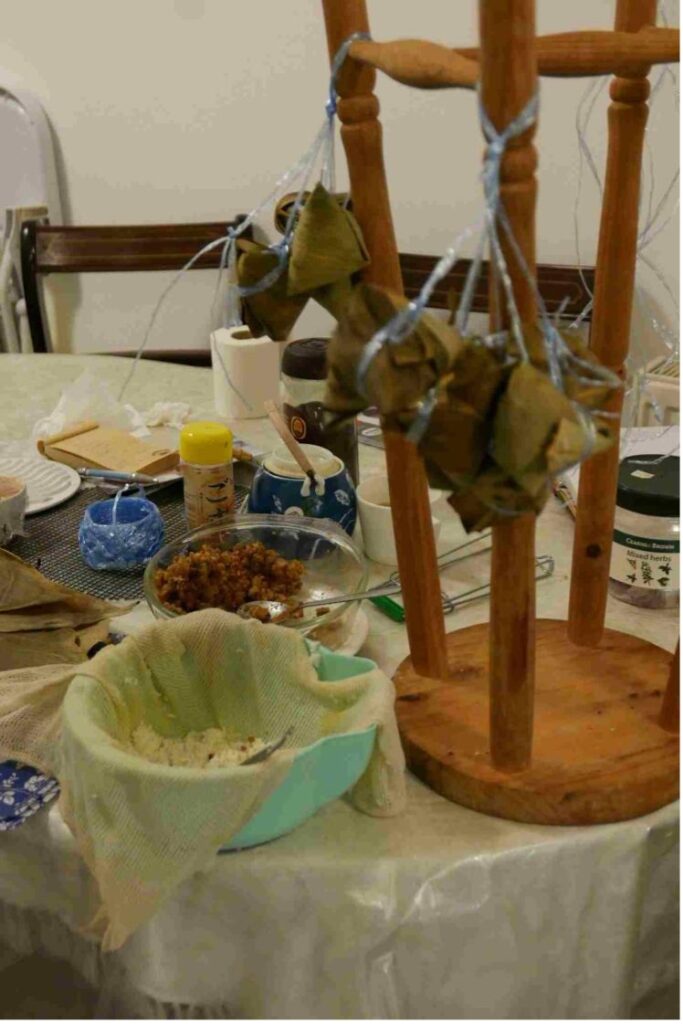
The preparation process of chang is labour intensive, especially the wrapping which needs a lot of practice to perfect. Traditionally, it was common for families to come together during Chinese festivals to prepare food. However, due to commercialisation of these festive snacks and dishes, fewer families prepare chang together during the Dragon Boat Festival. This traditional activity should be encouraged to increase inter-generational bonding, as well as to have fun! It also helps to pass recipes, traditions and experiences down through the generations.
There is another important traditional practice which may have been forgotten: during my young days we used to help separate ordinary rice from glutinous rice before soaking. I have found that the amount of rice in glutinous rice bought in supermarkets in recent times is not that significant. If ordinary rice is not removed from the glutinous rice used for preparing khnee chang, its texture could be affected and there will be small dark patches in the final product. It is not so important for the savoury chang that are normally boiled for several hours.
Kee, kansui in Cantonese, or lye water is traditionally used as an additive in cooking. Food-grade lye water which is made up of potassium carbonate and or sodium carbonate is preferred because it provides the necessary alkalinity without the extreme corrosiveness of sodium hydroxide used in soap-making and other Industrial processes. Traditionally, kee is made from wood ash which is made up of potassium carbonate, calcium carbonate and a small amount of sodium carbonate. Lime water (calcium hydroxide) which is a milder form of kee was also used as a food additive especially in Nyonya, Malay and Indonesian cooking. In my research, I came across many references to adding lime (calcium hydroxide) or soda water (probably referring to lye water) to the water for soaking the glutinous rice.
For preparing khnee chang, one will need to add kee to the glutinous rice. The rice will turn yellow and transparent after boiling. The alkaline water gives the khnee chang its elastic ‘khiew’ or ‘Q’ texture.
I have also come across the use of boric acid (phang say) in the water used to boil the khnee chang to enhance elasticity. However, the use of boric acid in food has been banned in several countries including Malaysia following an outbreak of food poisoning in Perak in 1988, caused by boric acid and aflatoxin.
Our elders believed that glutinous rice should be eaten in moderation. Interestingly, I came across numerous examples of advice to eat glutinous rice in moderation since it is not easily digestible. There was even a published paper confirming that glutinous rice is less digestible than normal rice.
Parts 2 and 3 of this report will be published in the coming weeks. Readers can expect the full report, comprising three parts, will be online by mid-June 2026.