 THE PERANAKAN
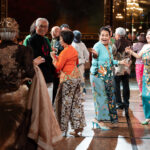
Baba Emeric Lau and fellow TPAS members partake in Semayang Tikong along Heeren Street
Across 24–25 February 2026, several TPAS members embarked on a culturally enriching visit to Melaka to observe and participate in the traditional Jade Emperor’s Birthday (Semayang Tikong or Bái Tiān Gōng) celebrations — a significant event on the ninth day of the Lunar New Year for the Hokkien and broader Peranakan community. The 2026 observance offered deep insight into ancestral rites, family heritage, and age-old customs that continue to bind communities across generations.
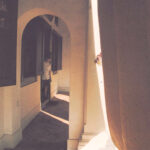
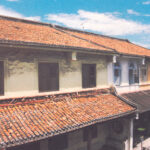
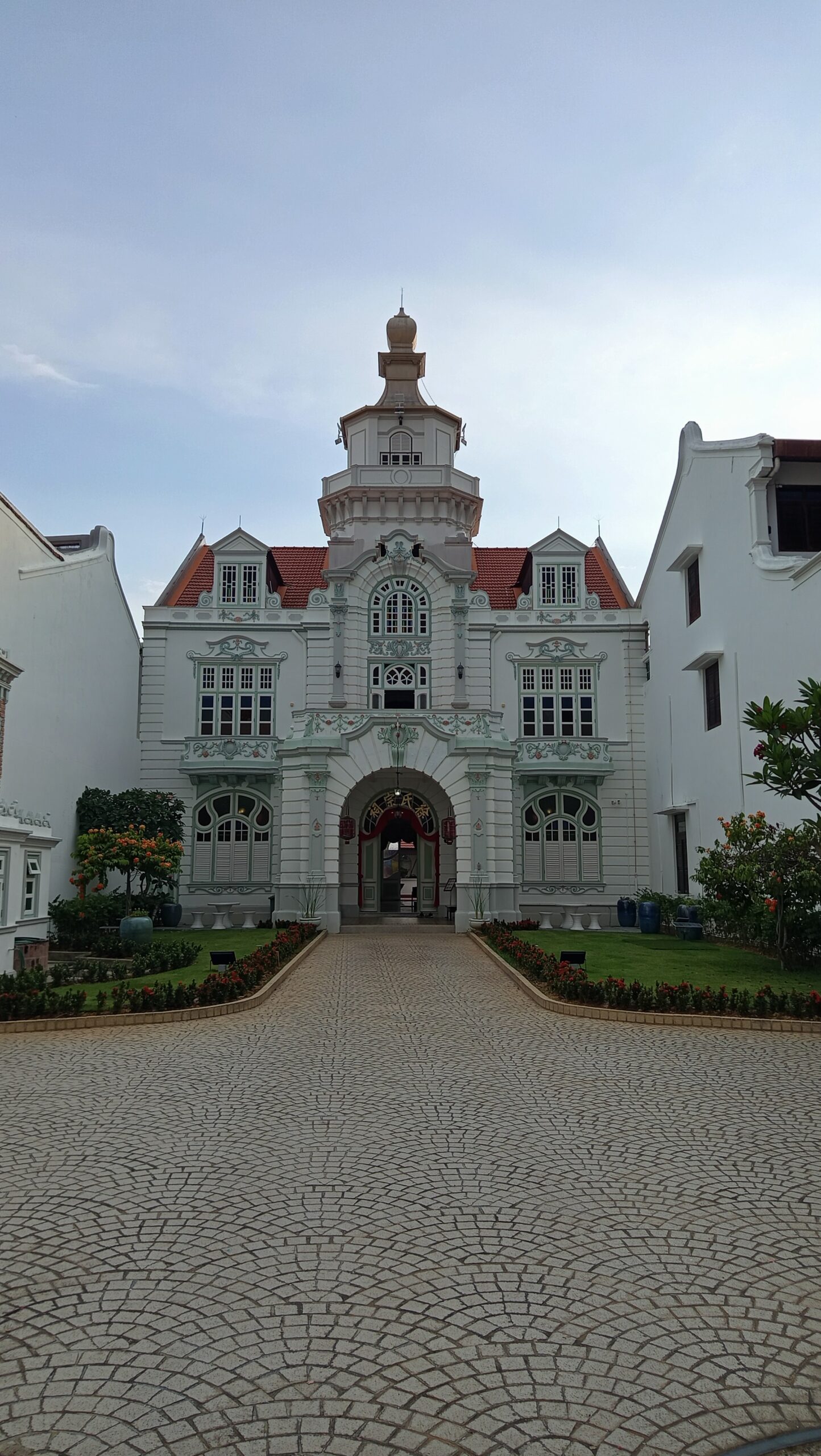
Led by TPAS President Nyonya Genevieve Peggy Jeffs with logistic arrangements thanks to Nyonya Stella Clare Wee, our group was graciously received by the Chee family, descendants of one of Melaka’s distinguished Peranakan lineages. The Tuesday evening began with a visit to the Chee Family Ancestral House, an architectural marvel at 117 Jalan Tun Tan Cheng Lock or Heeren Street, famously known as the Chee Mansion. Built in the 1920s by prominent Peranakan businessman Chee Swee Cheng, the mansion stands as a testament to the family’s enduring legacy.
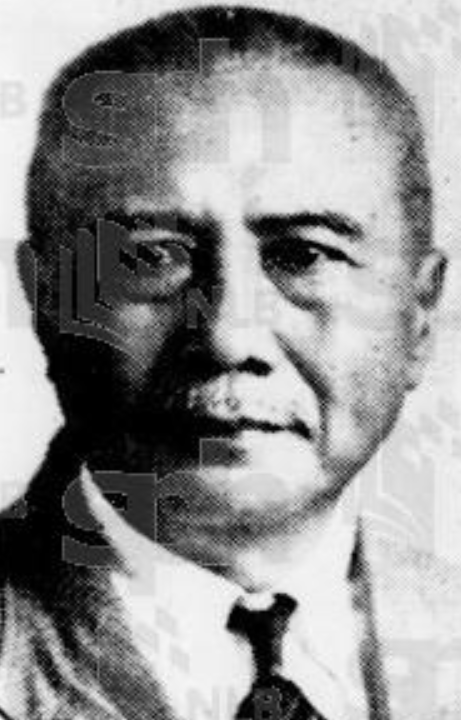
Chee Swee Cheng (1866–1938), grandson of the influential merchant Chee Yam Chuan, was a successful entrepreneur and philanthropist who went on to become the first chairman of the Oversea-Chinese Banking Corporation (OCBC) in 1932, a significant milestone in the commercial history of the Straits. He made major contributions towards the improvement of healthcare and education. In 1931, he built the Heeren Building on the corner of Orchard Road and Cairnhill Road in Singapore. His vision in building the Chee ancestral residence was both a tribute to his forebears and a tangible expression of filial piety typical of Peranakan values. More information on the Chee family can be found in this article and on Wikipedia.
Left: Chee Swee Cheng. Source – Wikipedia

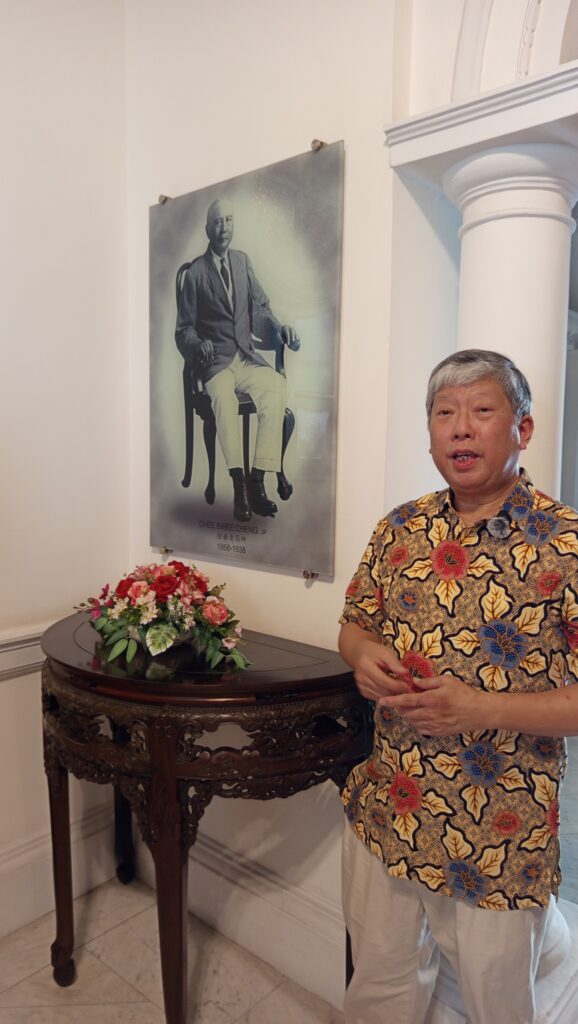
Left: Baba Ronney Tan conducts the tour
The house tour was conducted by Baba Ronney Tan, who shared fascinating narratives about the family’s origins, the first Chee progenitor having arrived in Melaka from China around 1727, and then set up multiple business ventures including property development, money lending, and rubber. He guided us through the mansion’s ornate interiors and pointed out the numerous portraits of various family members that hang on its walls. The mansion’s eclectic architectural style, attributed to Dutch architect James Westerhouse, blends Dutch, Portuguese, British and Chinese influences, reflecting Melaka’s multicultural past and the Chee family’s place within it. Understandably a focal point of ancestral remembrance, the estate retains its spiritual importance as an active family shrine under the custodial care of Chee descendants.
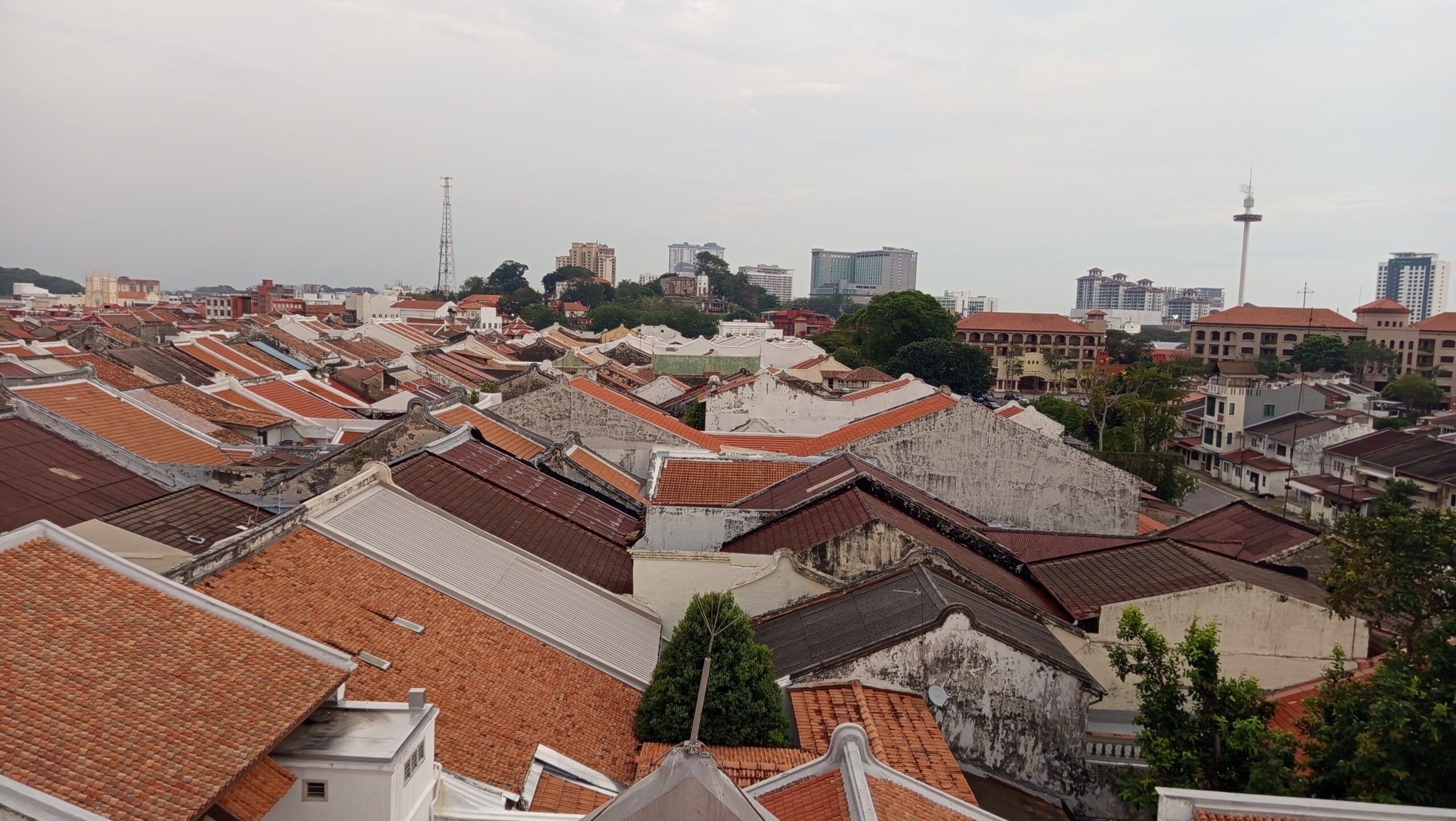
A highlight of the visit was the ascent up the house’s watchtower, offering panoramic 360° views of the Melaka skyline, to take in the stark contrast between the city’s historic shophouse rooftops and its ultramodern skyscrapers rising just beyond.
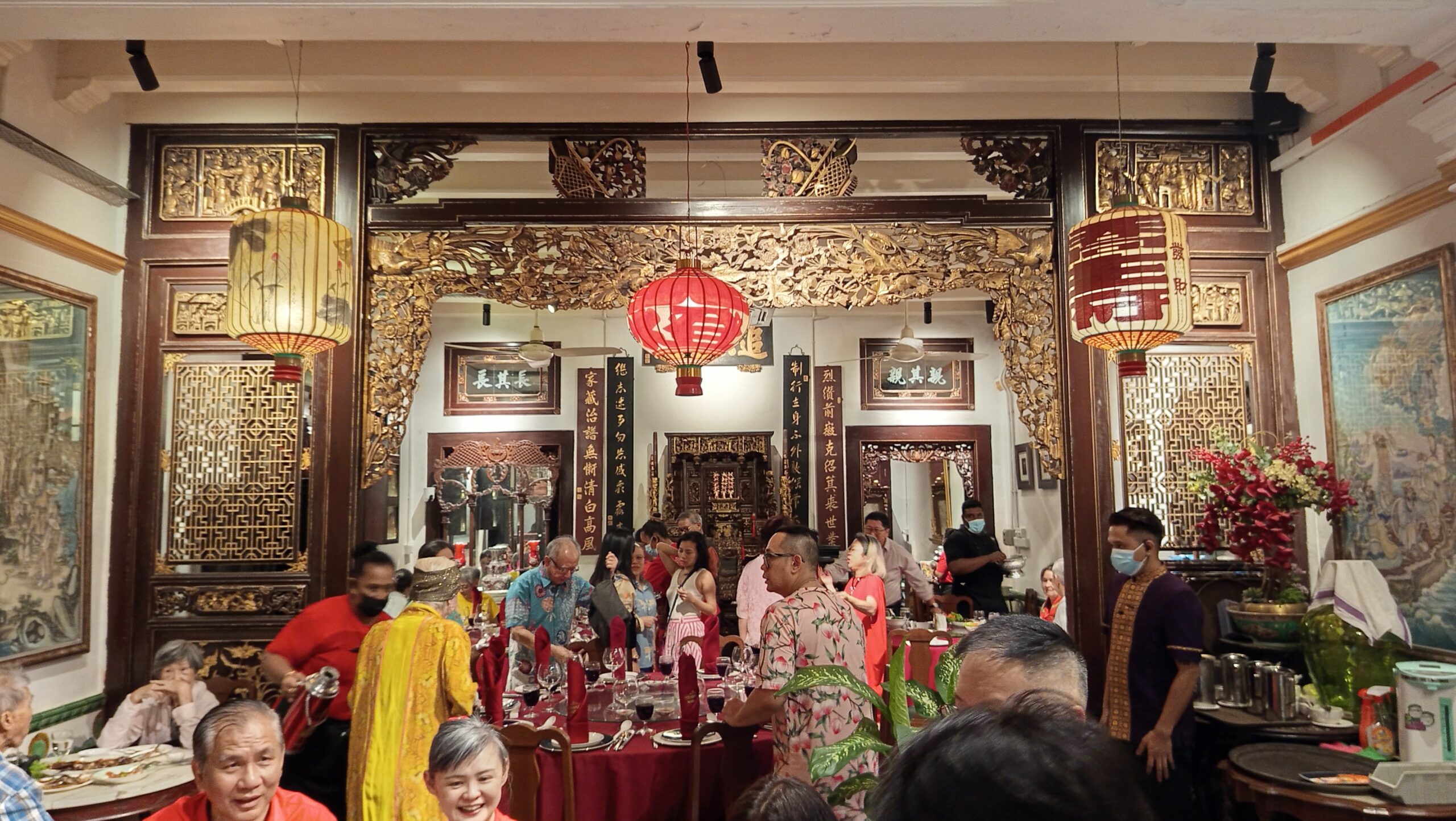
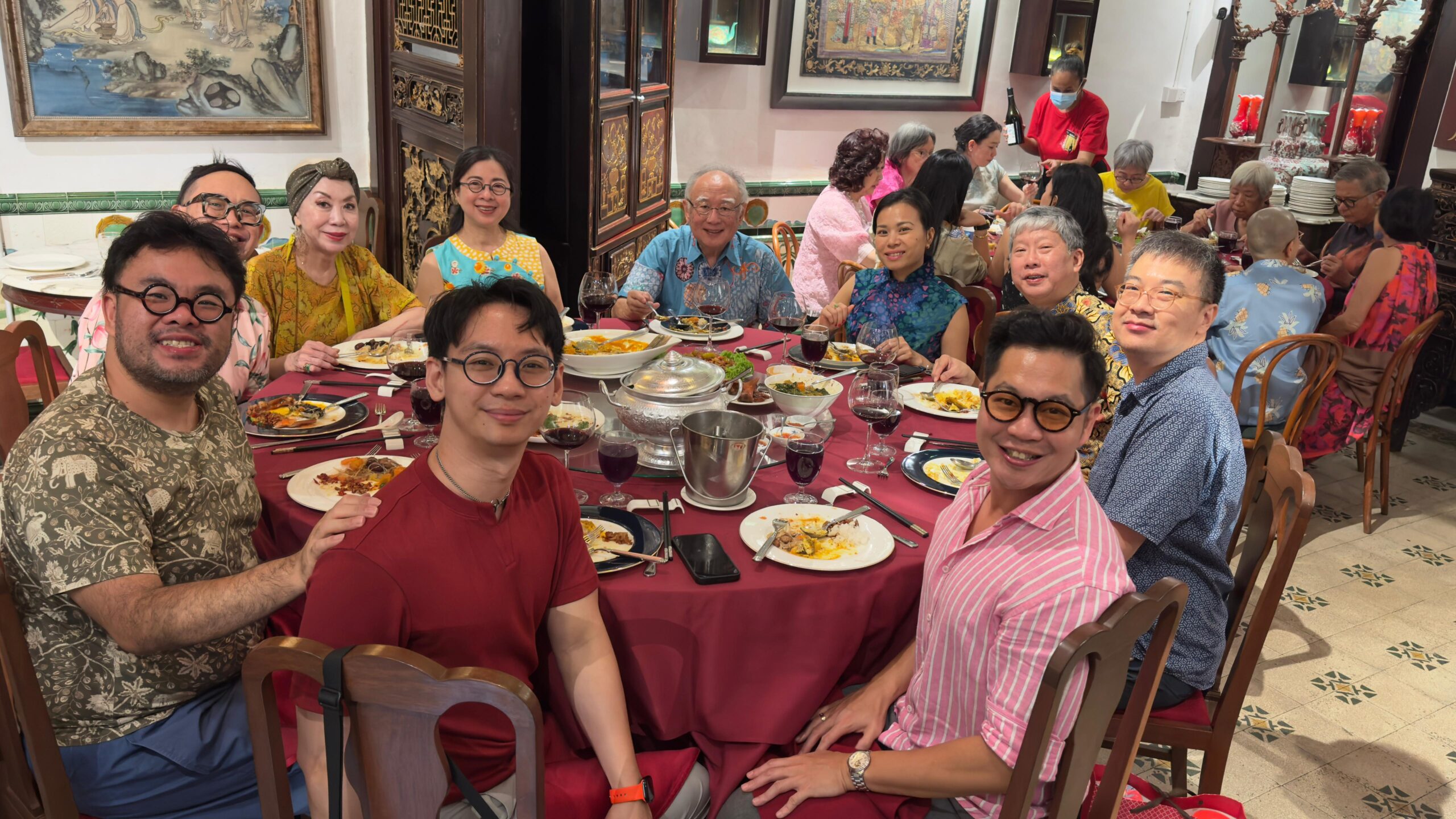
Right after, members were hosted to a convivial dinner at the beautifully appointed Peranakan Mansion restaurant across the street, where warm conversations deepened bonds of kinship and appreciation for shared heritage.
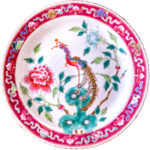
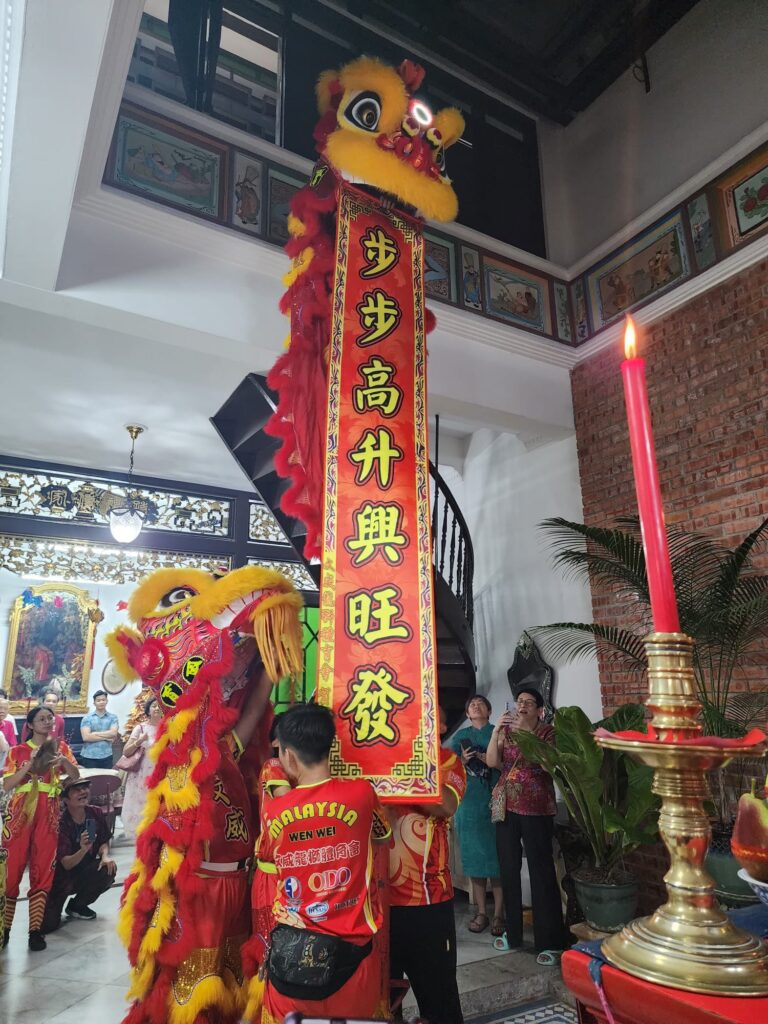
As darkness fell and the Semayang Tikong rites commenced, our group visited the Chee family home located next to the Ancestral House. The night came alive with an energetic Lion Dance performance, symbolising auspicious blessings and spirited protection. Elaborate altar displays rich with offerings — fruits, cakes, meats, incense and joss paper structures — honoured the Jade Emperor. These offerings represent gratitude, reverence, and prayers for prosperity and well-being. The ritual of paying homage on this night is deeply rooted in the narrative of ancestral survival and thanksgiving that resonates widely among Hokkien-Peranakan communities.
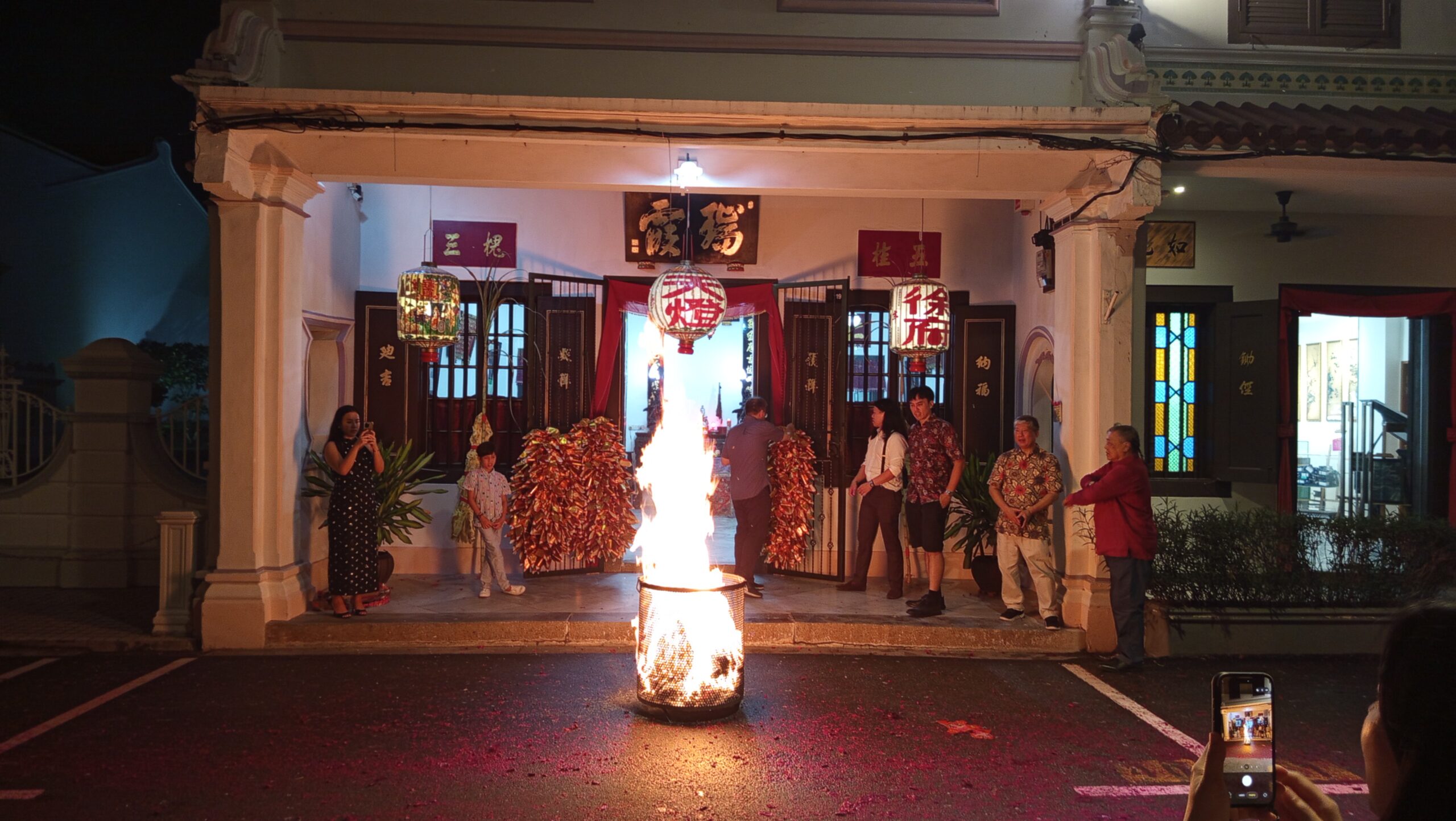
At midnight, the celebrations reached a pinnacle as the traditional burning of offerings took place — a profound moment of spiritual significance marking the peak of the birthday rites. Fireworks and firecracker displays added exuberant spectacle to the sacred observance, much to the delight of all, especially the children whose joyful reactions highlighted the living continuity of cultural traditions. This writer was pleased to note that the young ones took it upon themselves to record many aspects of the rituals, and overheard them giving one another directions, “Put the offerings into the fire slowly, I’m shooting a boomerang [a looping video effect] for Instagram!” Indeed, we are now in an era where the Jade Emperor is feted on social media!
TPAS extends our heartfelt thanks to the Chee family for their warm hospitality, generous sharing, and the opportunity to witness a remarkable expression of Hokkien-Peranakan ritual heritage.
Please head to our Amek Gambair section here to read Nyonya Noreen Chan’s article on Semayang Tikong and view more photos.
Photo credits: Colin Chee, Linda Chee, Emeric Lau, Noreen Chan, and other members of the TPAS delegation that visited Melaka in February 2026.
More information on Semayang Tikong can be found in these articles across pages 8 – 11 of Issue 1, 2002, written by Babas Ee Sin Soo, Tan Geok Koon, and Tan Ban Huat: https://www.peranakan.org.sg/magazine/2002/2002_Issue_1.pdf and in this 2024 article by Baba Lee Yuen Thien: https://www.peranakan.org.sg/theperanakanmagazine/food-for-the-gods/