 THE PERANAKAN
Nyonya Cynthia Wee-Hoefer attends the 36th International Baba Nyonya Convention in Kuala Lumpur
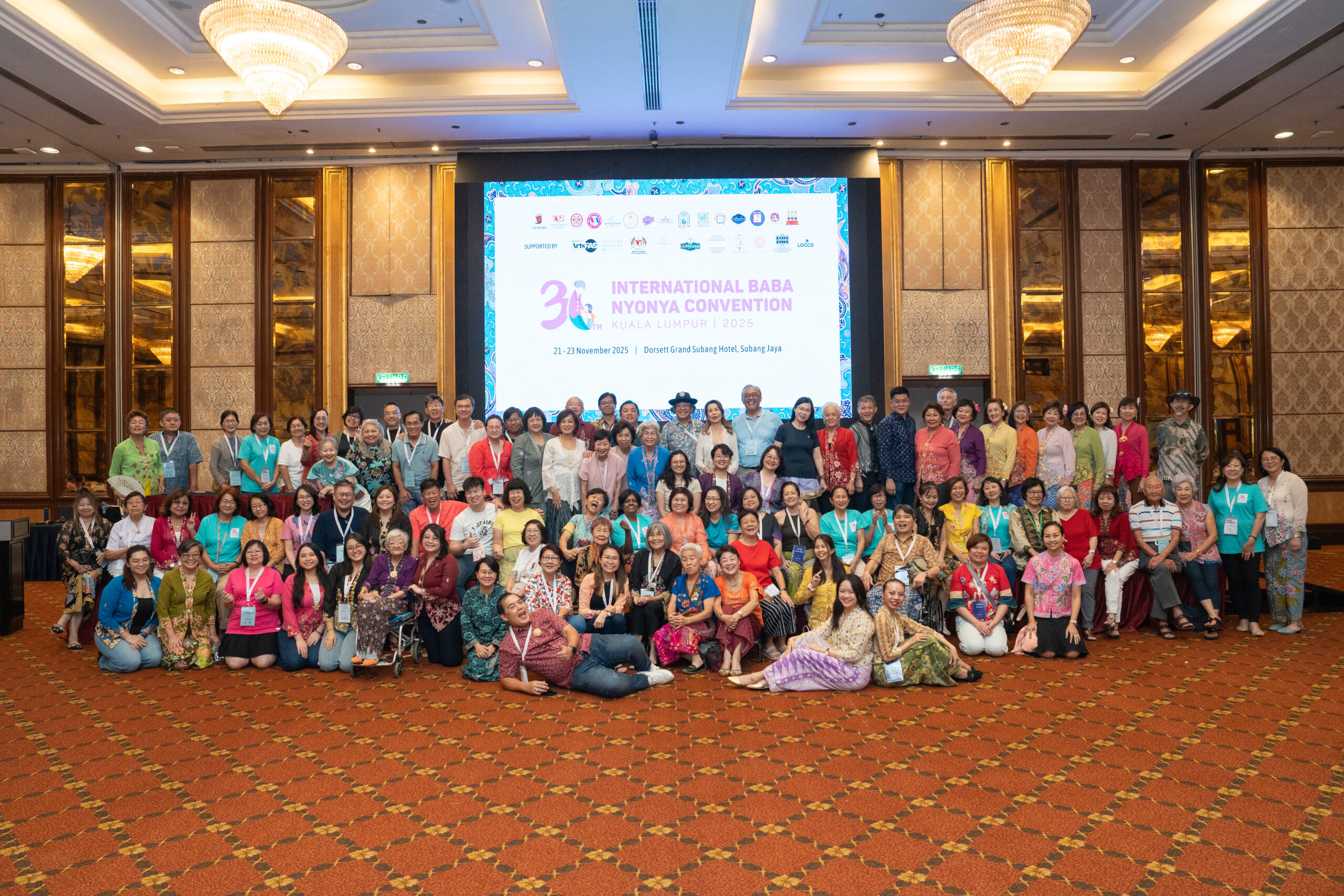
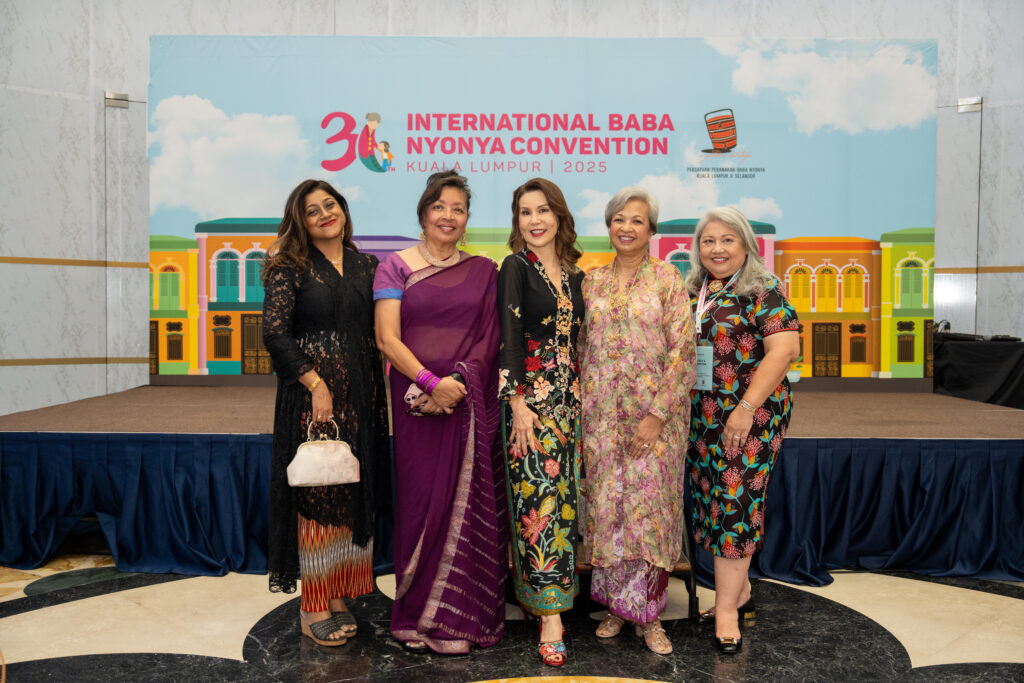
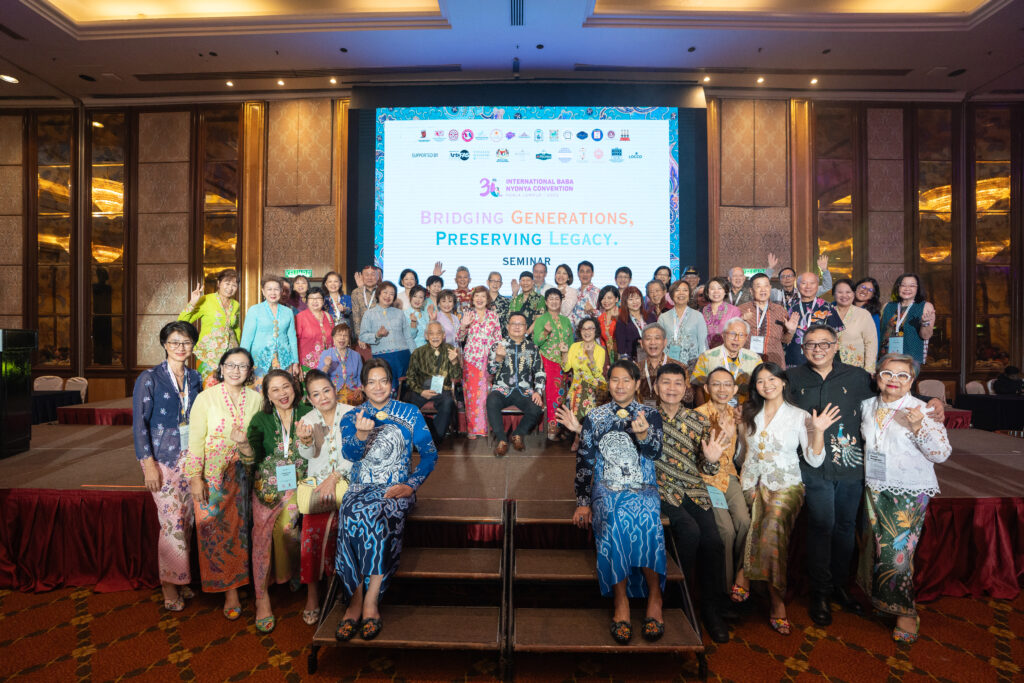
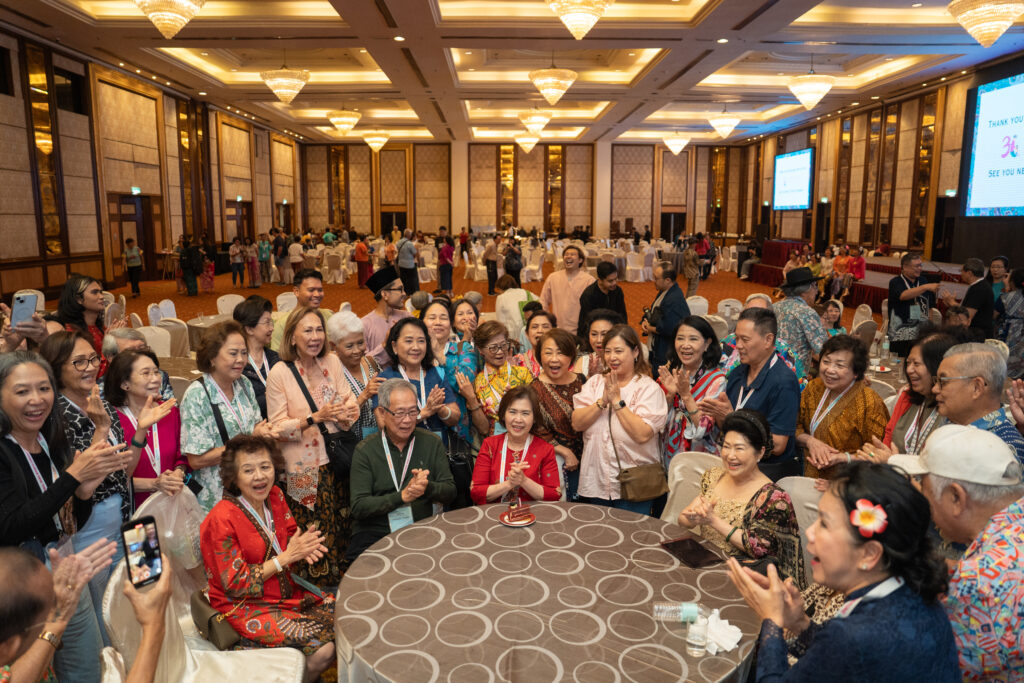
The 36th International Baba Nyonya Convention by the Persatuan Peranakan Baba Nyonya Kuala Lumpur & Selangor was held at Dorsett Grand Subang Hotel, across 21-23 November 2025.
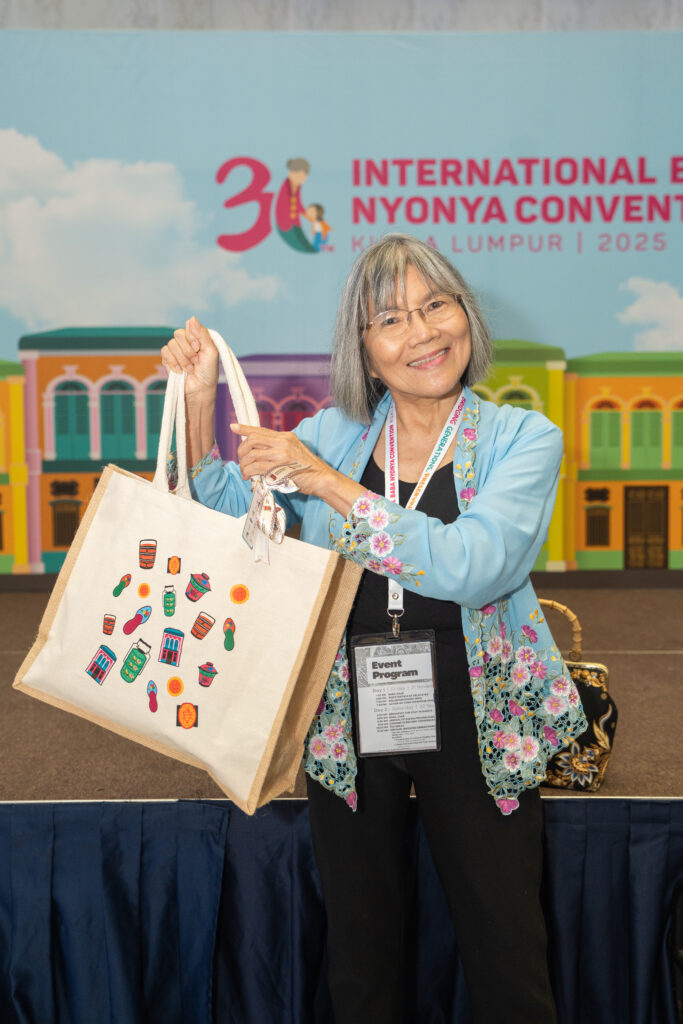
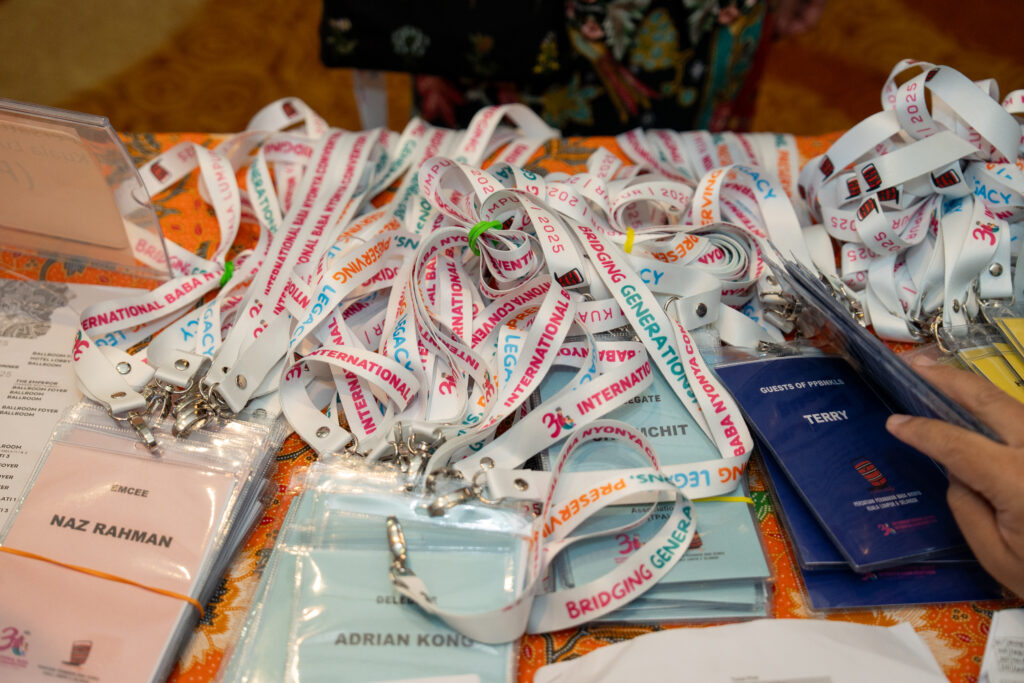
The theme of the Convention was “Bridging Generations, Preserving Legacy” and here we have an array of gifts that encapsulated the legacy. There is a 258-page Baba Has Come! historical fiction of the arrival of the Chinese to Nanyang including present-day Malaysia, Singapore and Thailand. Written by Malaysian Sim York Soo Johnny, it recounts the establishment of “a unique society where they eat like the Malay, pray like the Chinese, and play like the British!”
Old terms, traditions and incidents were listed on the opening page that includes the Towchang Queue; Weddings and Funeral Rites; Potehi (finger puppetry); Hantar Sireh; Tontine or Hwei among other subjects. Indeed, for the young ones, it is a revelation of where the Peranakan Baba comes from.
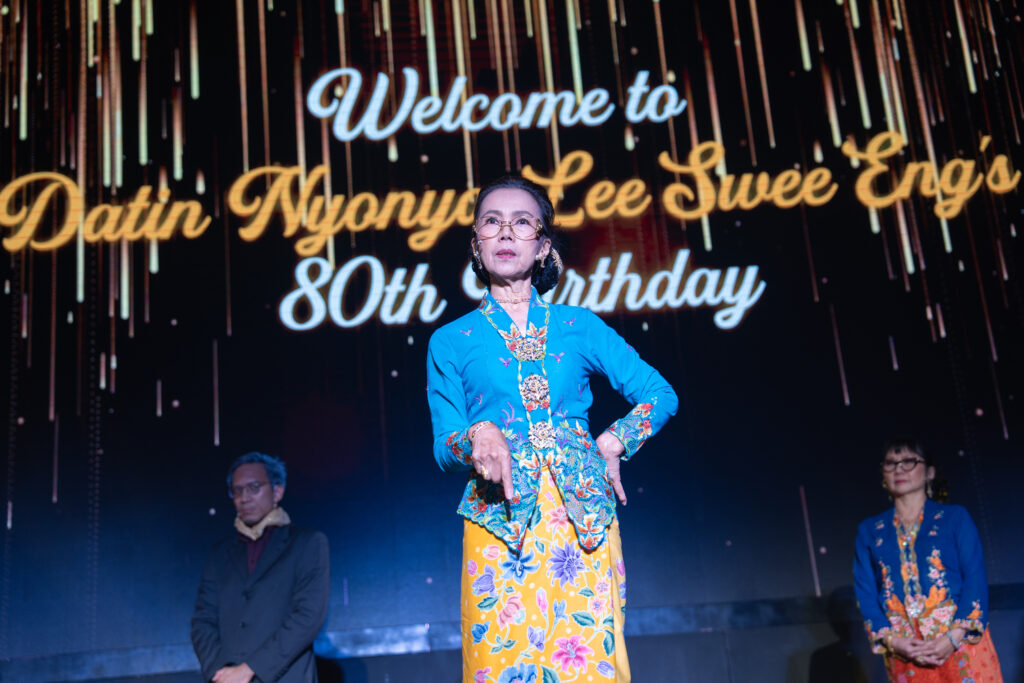
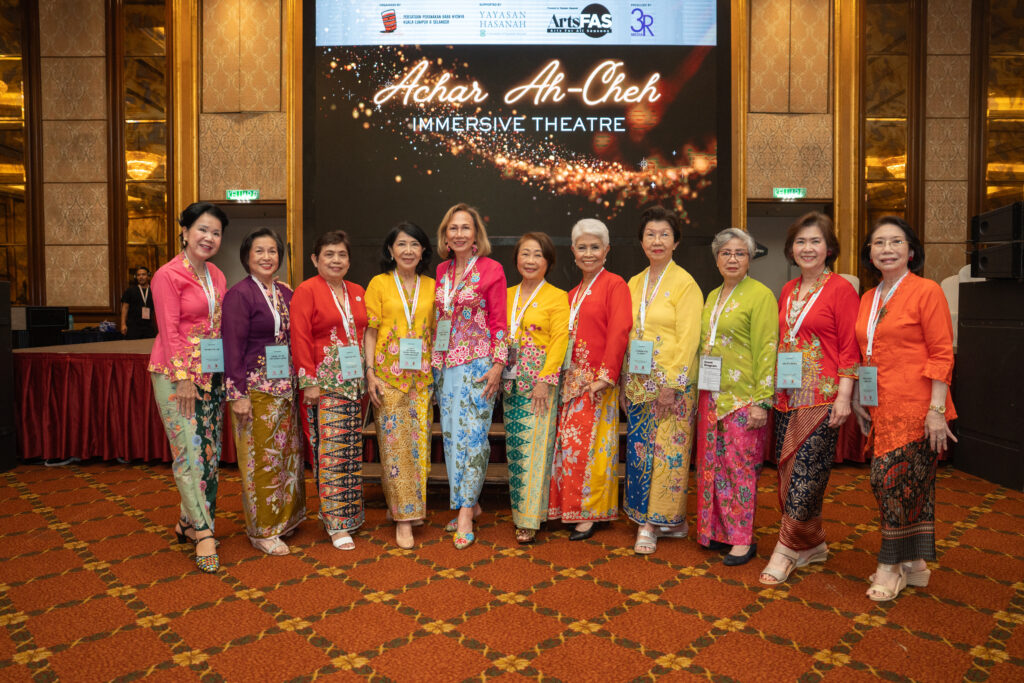
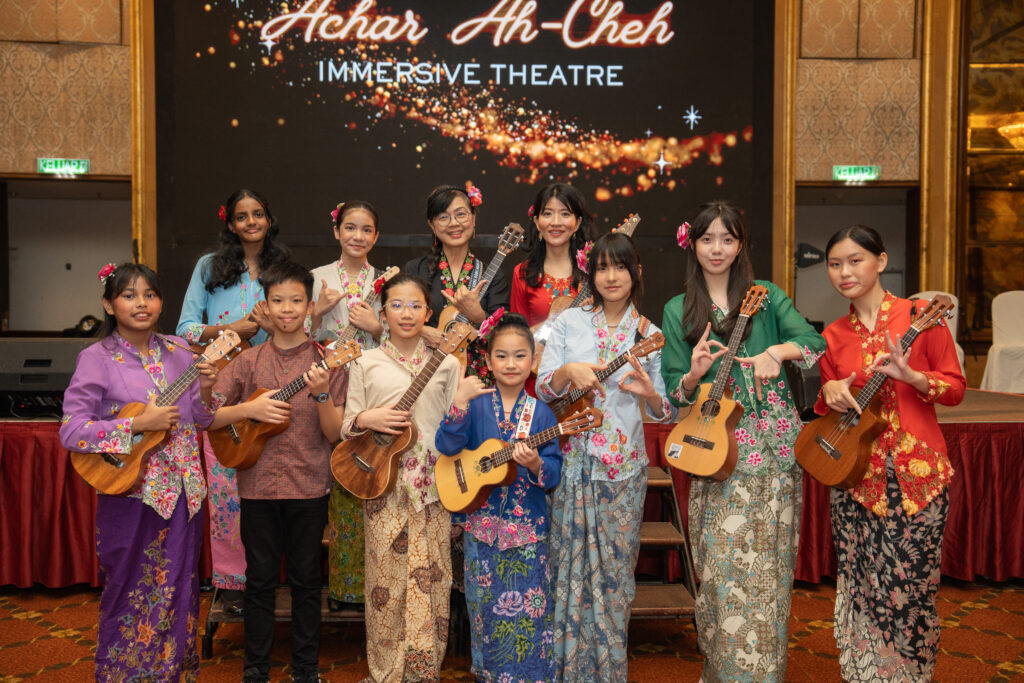
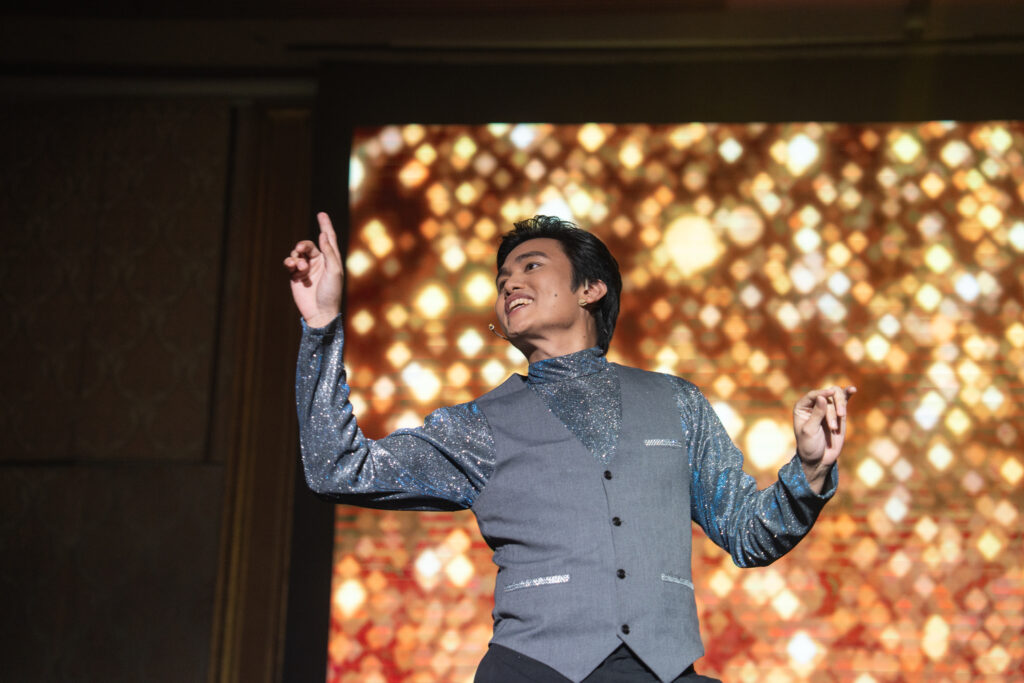
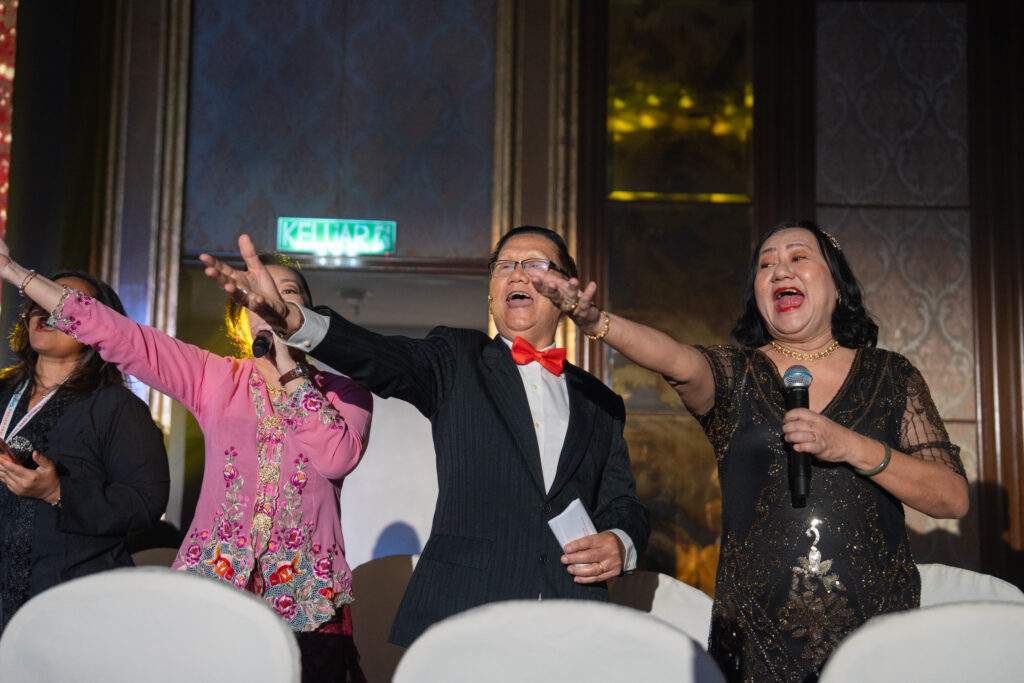
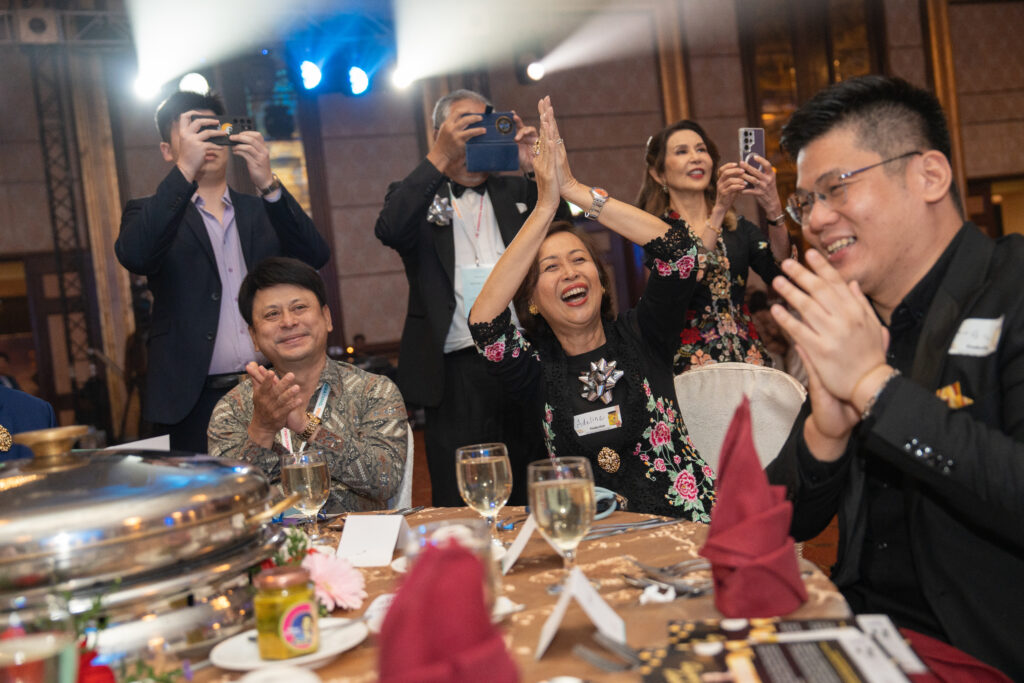
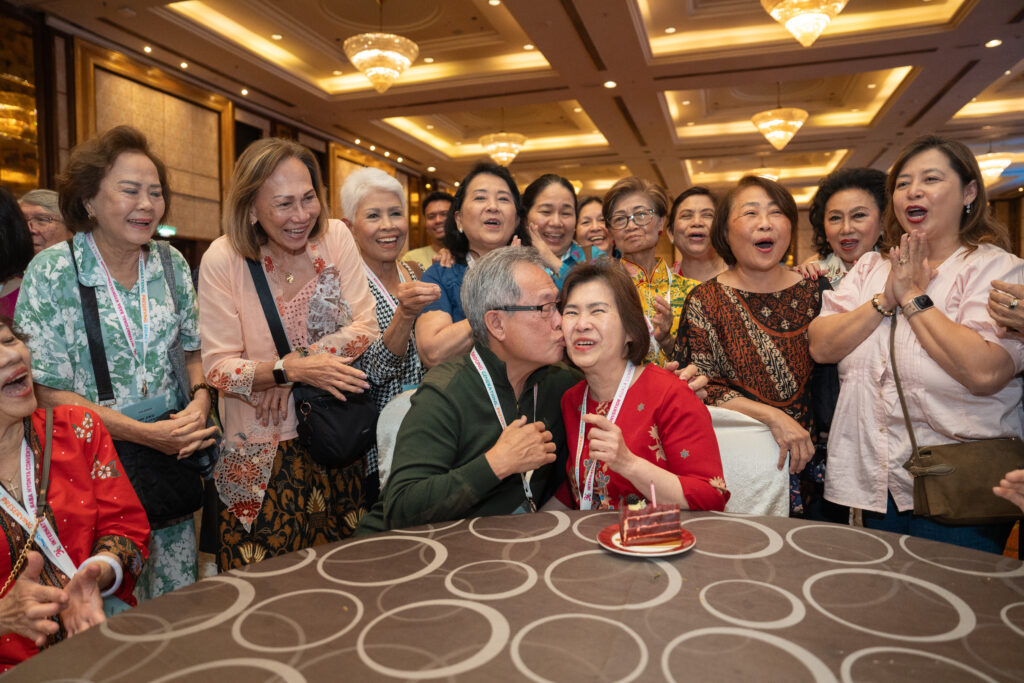
Friday’s dinner was heralded as Datin Nyonya Lee’s 80th Birthday Celebration and that turned out to be novel immersive musical theatre “Achar Ah-Cheh” involving the audience.

The play is about the Datin’s famous Peranakan Achar (pickle) company begun in Melaka, that is being threatened by closure due to sibling quarrels.
It was a strong script in English scattered with Baba Malay patois; polished singing and dancing; and involved a few lines by dinner guests.
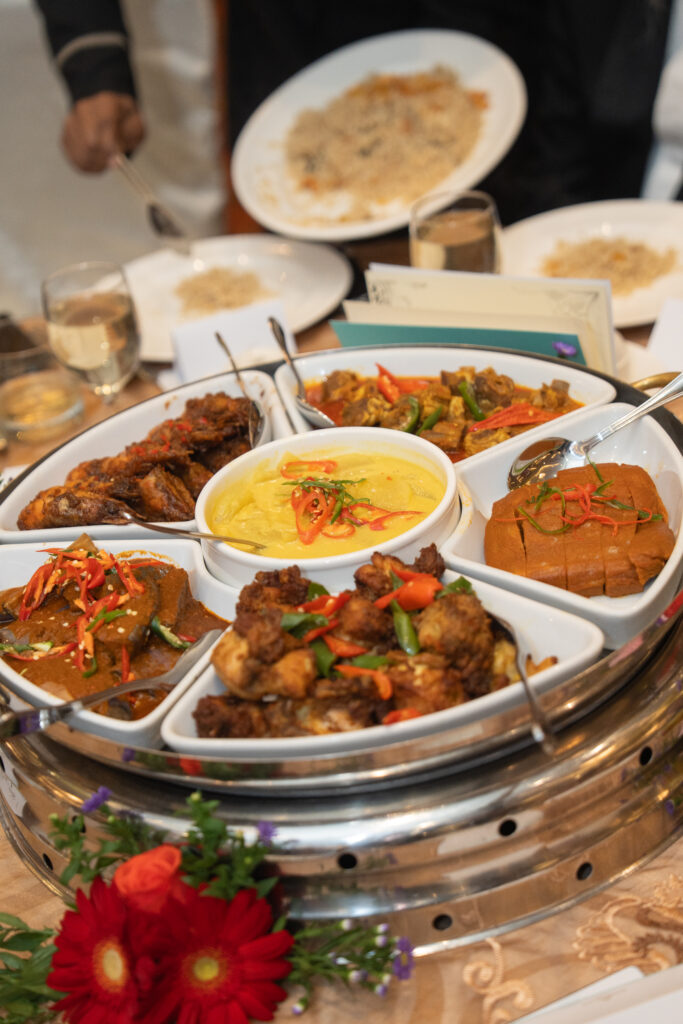
Indeed, a bottle of Achar Ah-Cheh with the printed label was made available with the delicious Nasi Kemuli (rice) dinner.
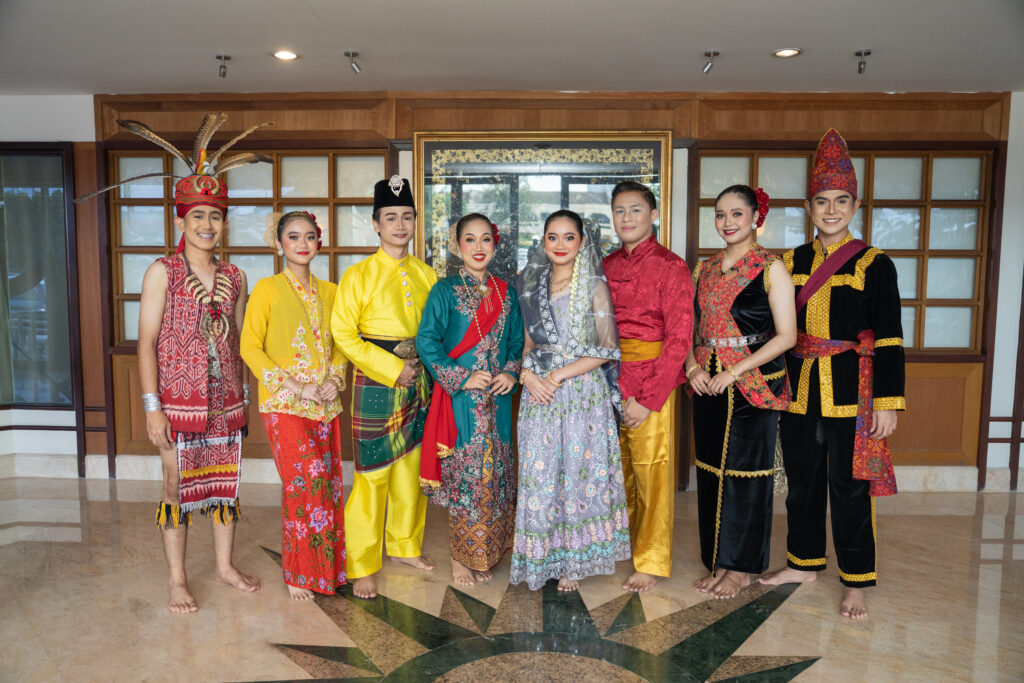
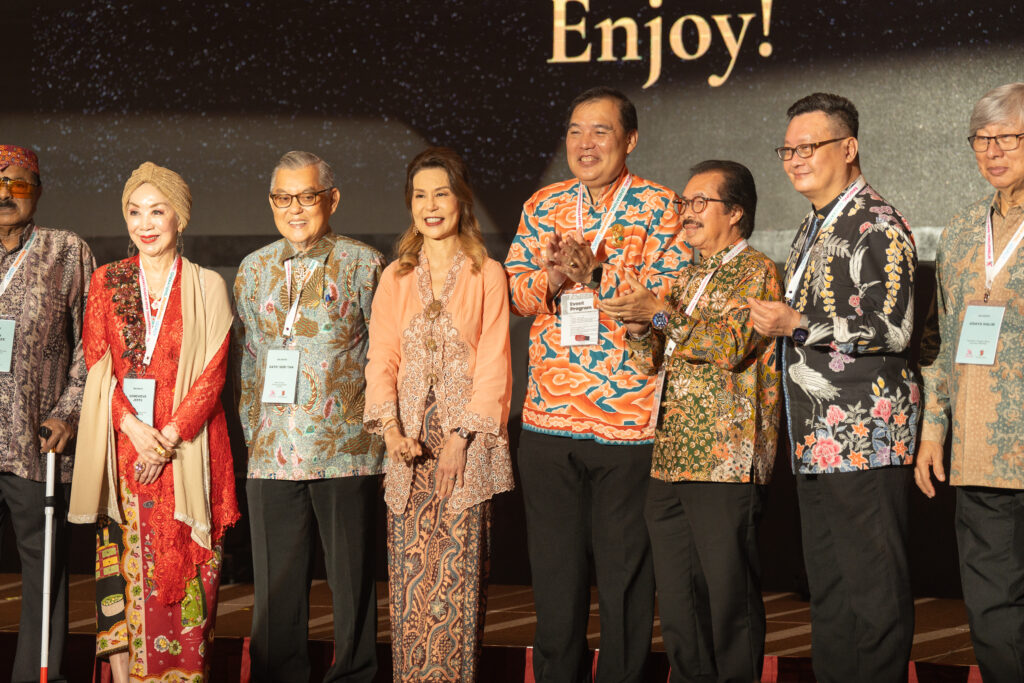
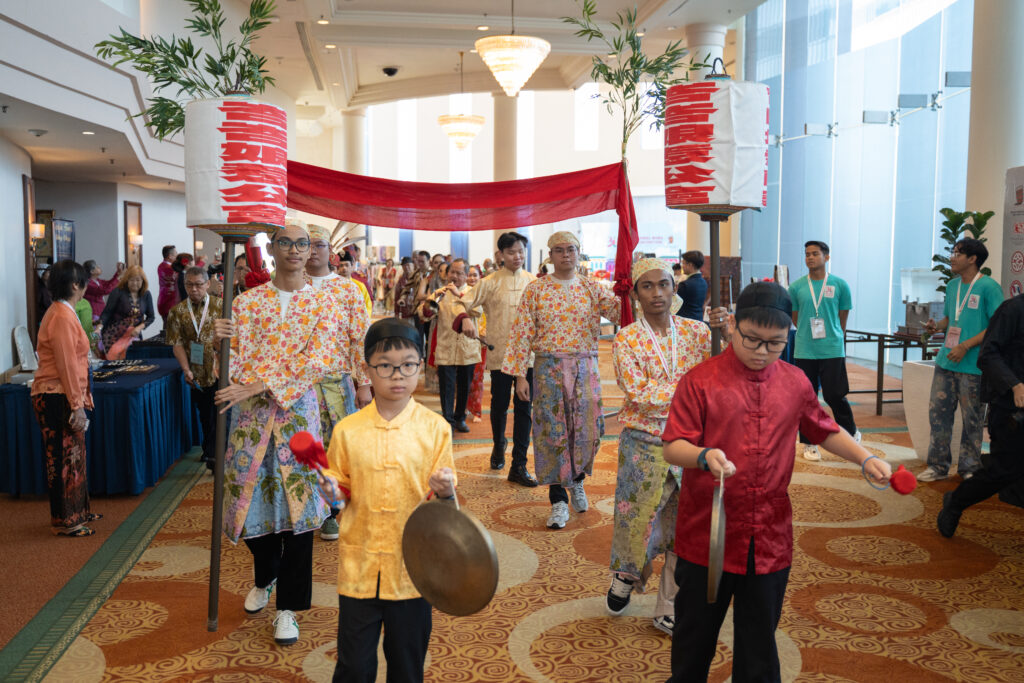
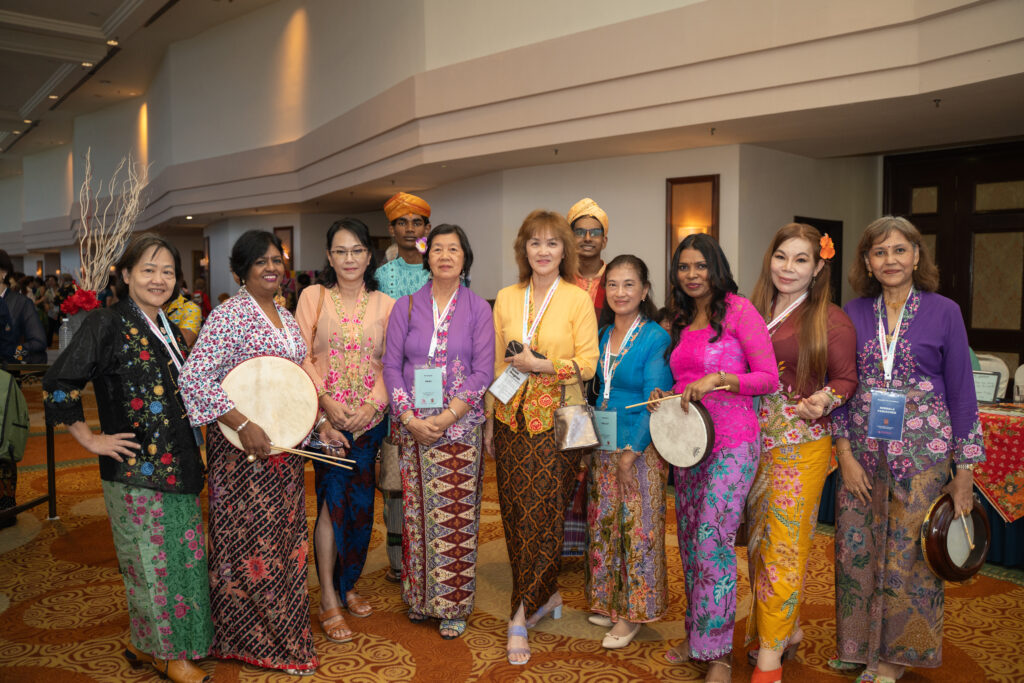
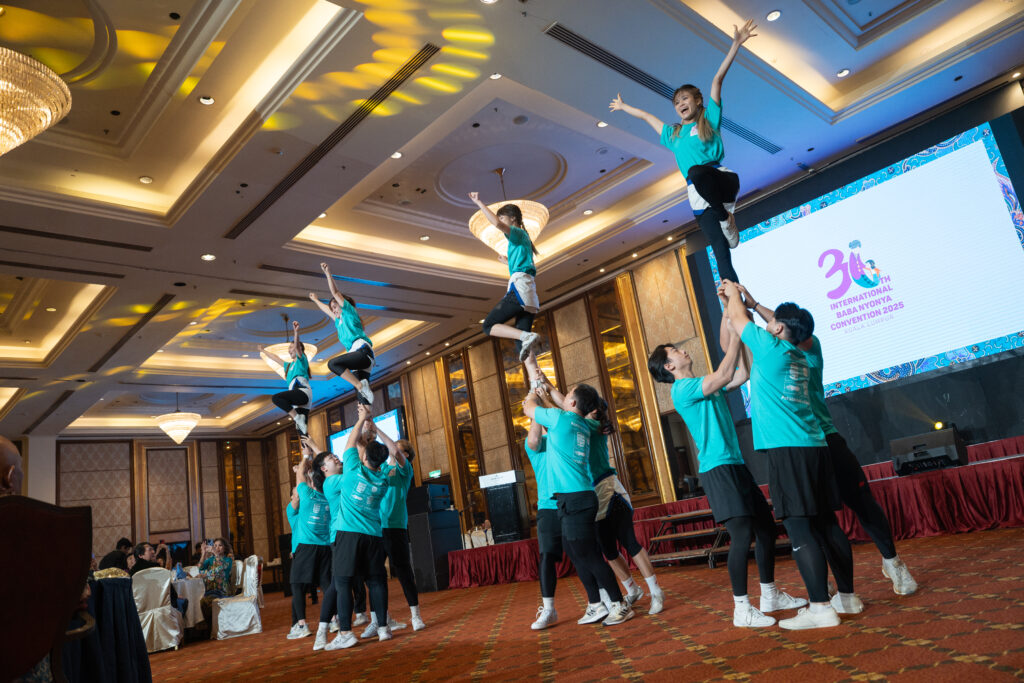
The official opening ceremony the following day started with a procession of bearers of lanterns, bamboo shoots, drums, gongs and seroni (Chinese instrument), dancers and the leaders of 15 associations. The associations of Terengganu and Kelantan are recent members.
The seminar brought on Prof. Tan Awang Besar from Kelantan as keynote speaker whose points – encourage open communication, educate each other, focus on shared values, use inclusive language, leverage technology thoughtfully, celebrate diversity of perspectives, be flexible and promote empathy – were echoed by other speakers.
Paris Cordon Bleu-trained chef Shane Chin talked about going back to his grandmother Tan Saw Sim’s cooking that shaped his future after years of fancy restaurant work. His Instagram @inshaneats has a 141k following.
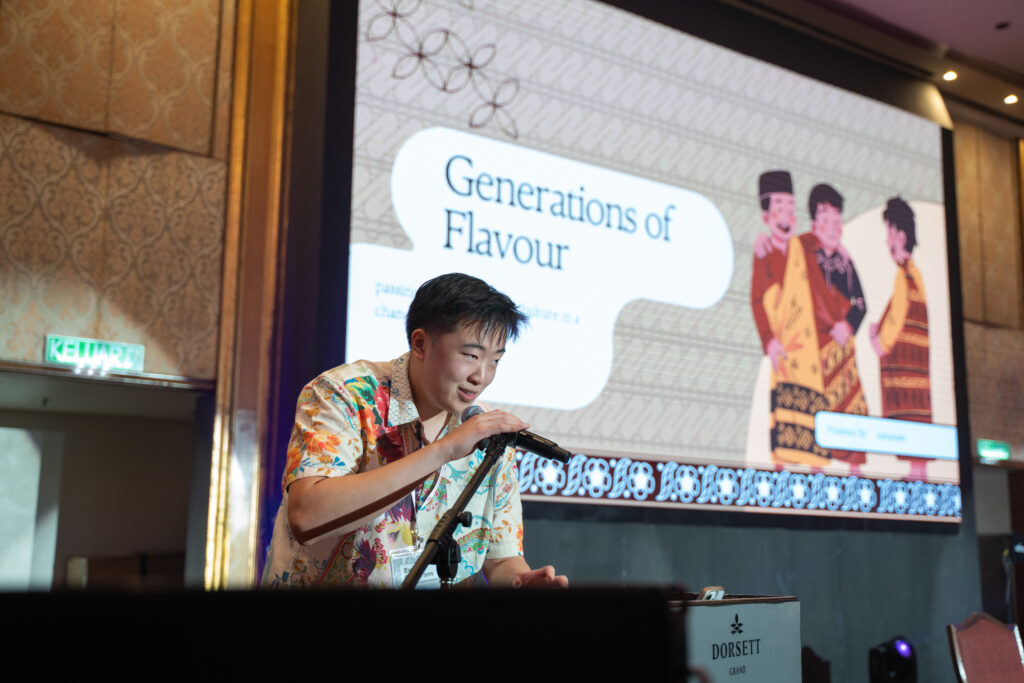
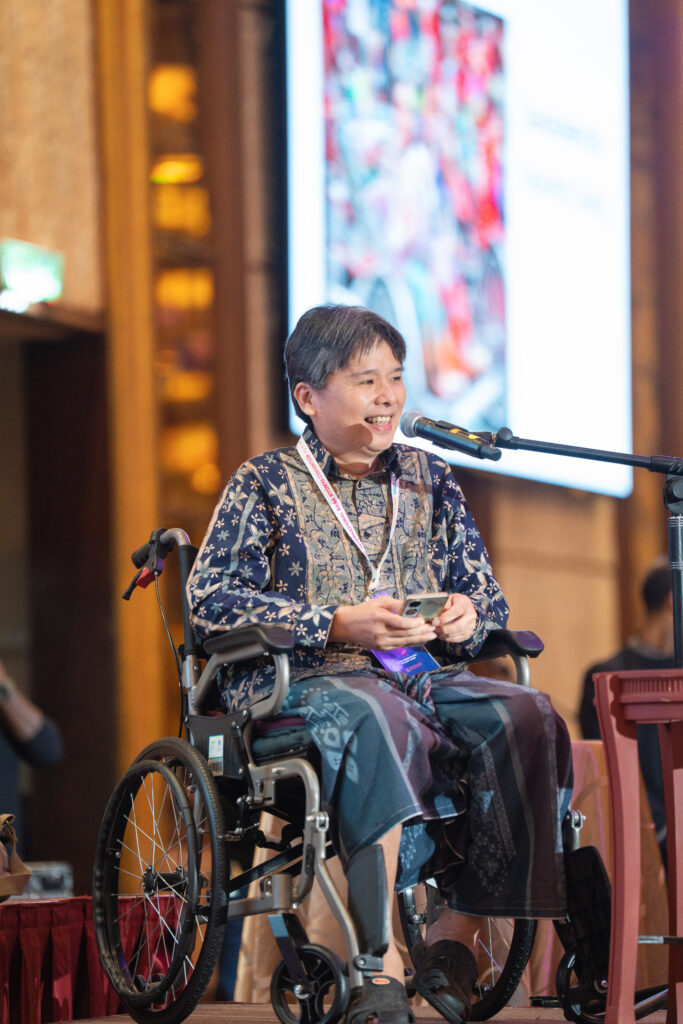
On preserving one’s heritage for future generations, Foochow-Cantonese journalist and former Star Media Group editor Andrew Sia had much admiration for Peranakan culture. He called himself a Peranakan wannabe. Some simple steps he extolled are to post old photos online, gather over family WhatsApp groups and text in the home language, and share heritage videos of grandma.
Andrew went on to say that Baba Malay does not define Peranakan identity. There are the Baba Hokkien as the lingua franca of Penang; Thai and Hokkien used in Phuket; Javanese plus Hokkien spoken in Java; Teochew added to the local language in Pontianak, West Kalimantan while Thai and Kelantanese is spoken by Peranakan in Kelantan. He summed it up as Peranakan culture being a “hybrid MIX or ROJAK.”
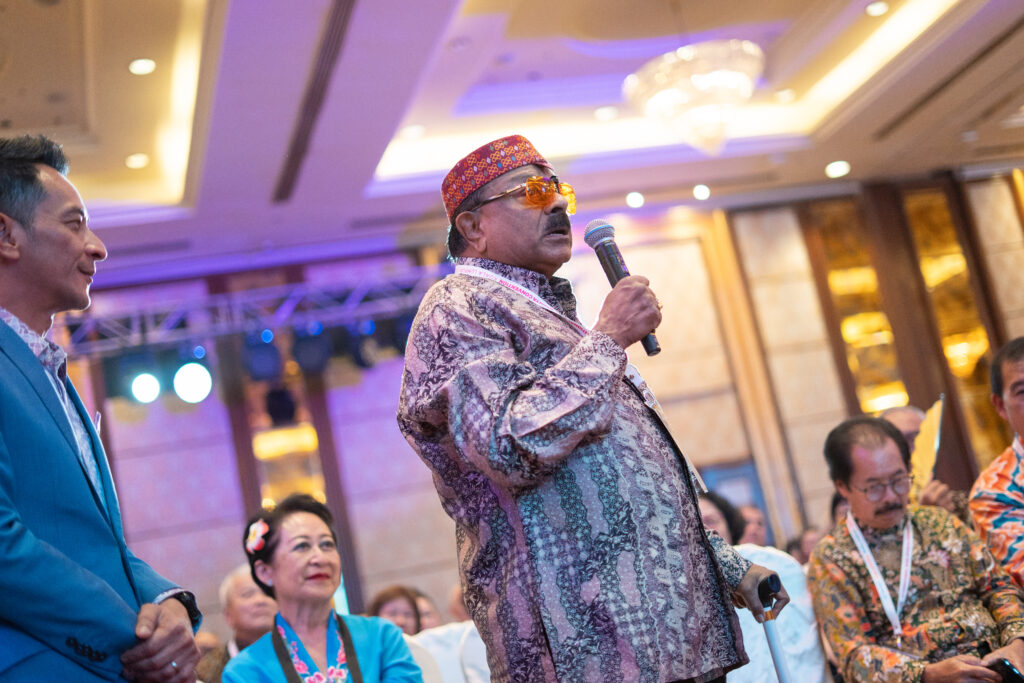
Mr. Ponno Kalastree of the Peranakan Indian (Chitty Melaka) Association of Singapore (PICMAS) stood up to define his community’s language Chetti Creole as a mix of Malay, Tamil and Chinese with English vocabulary.
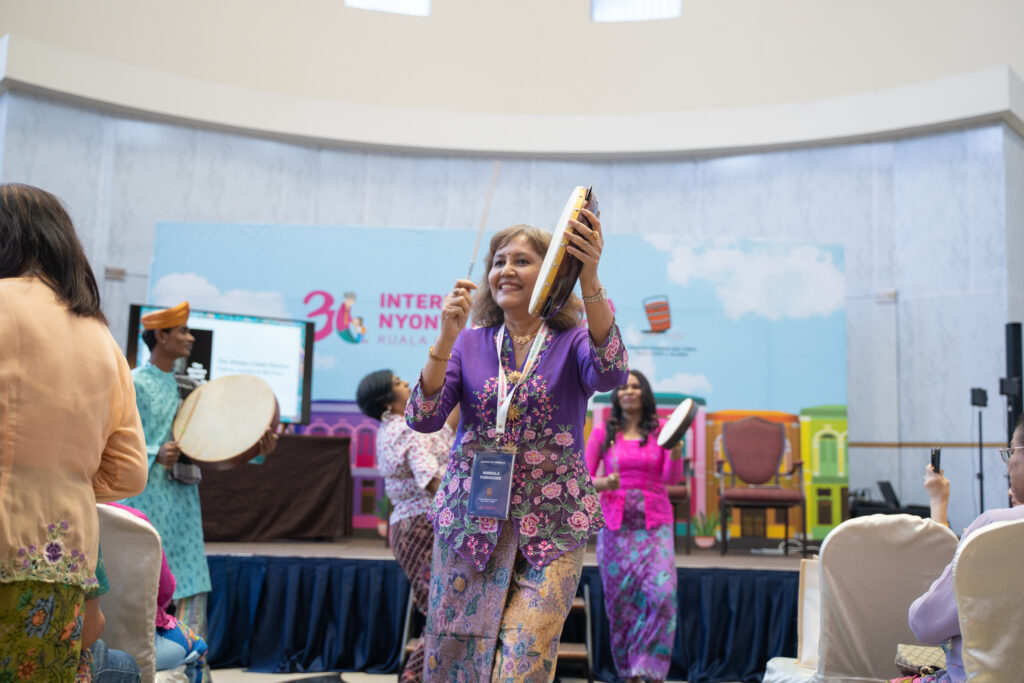
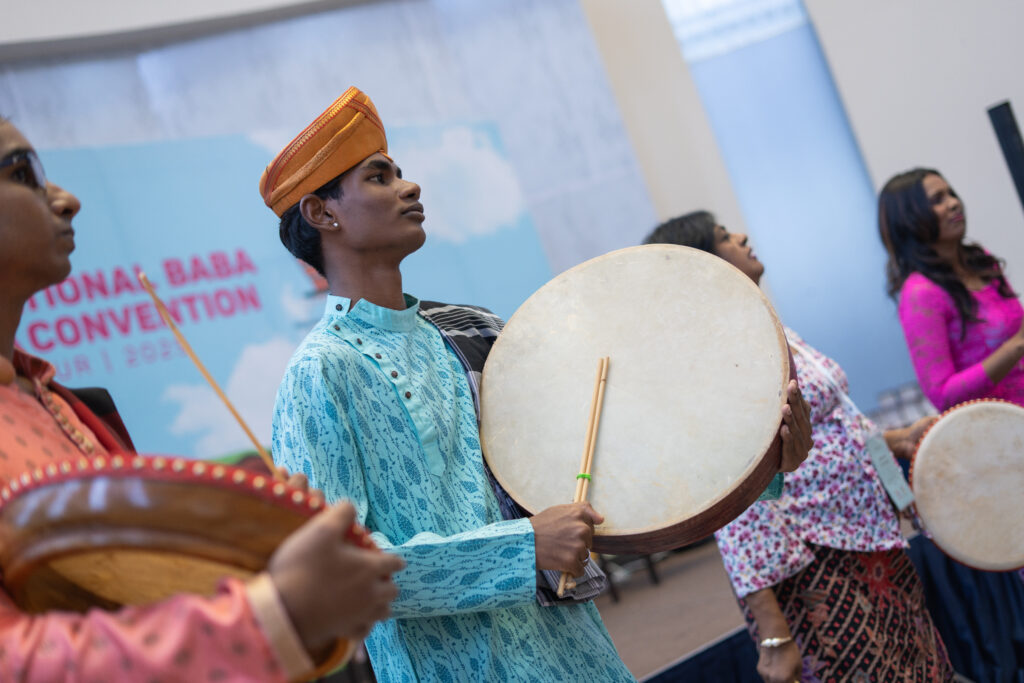
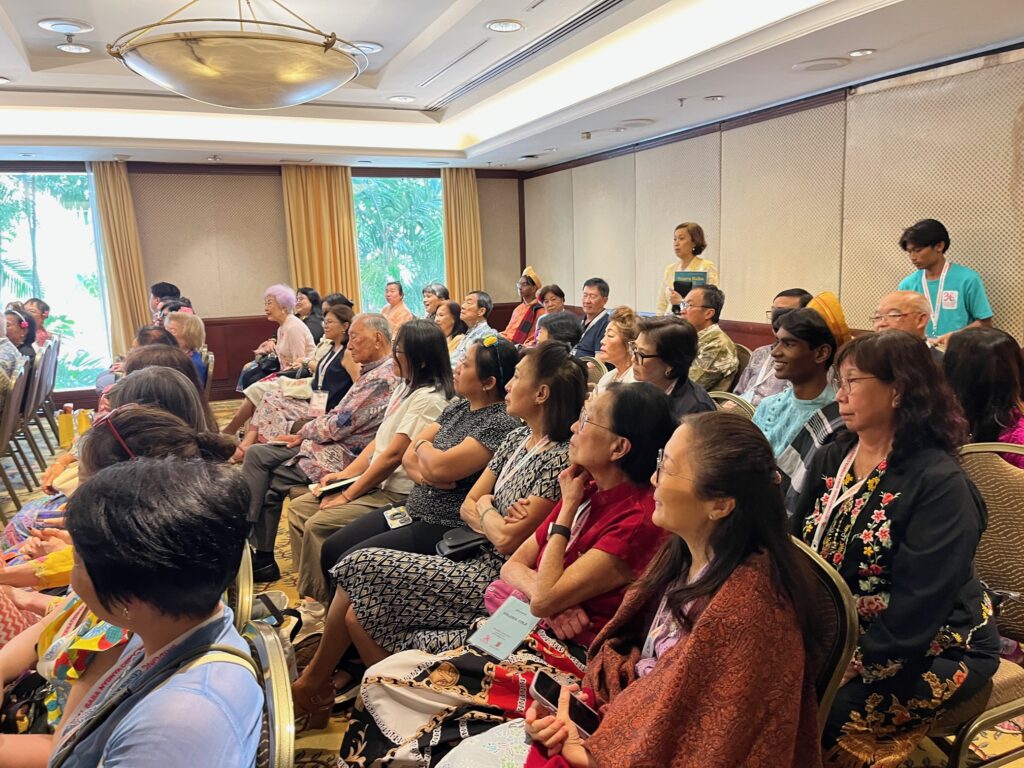
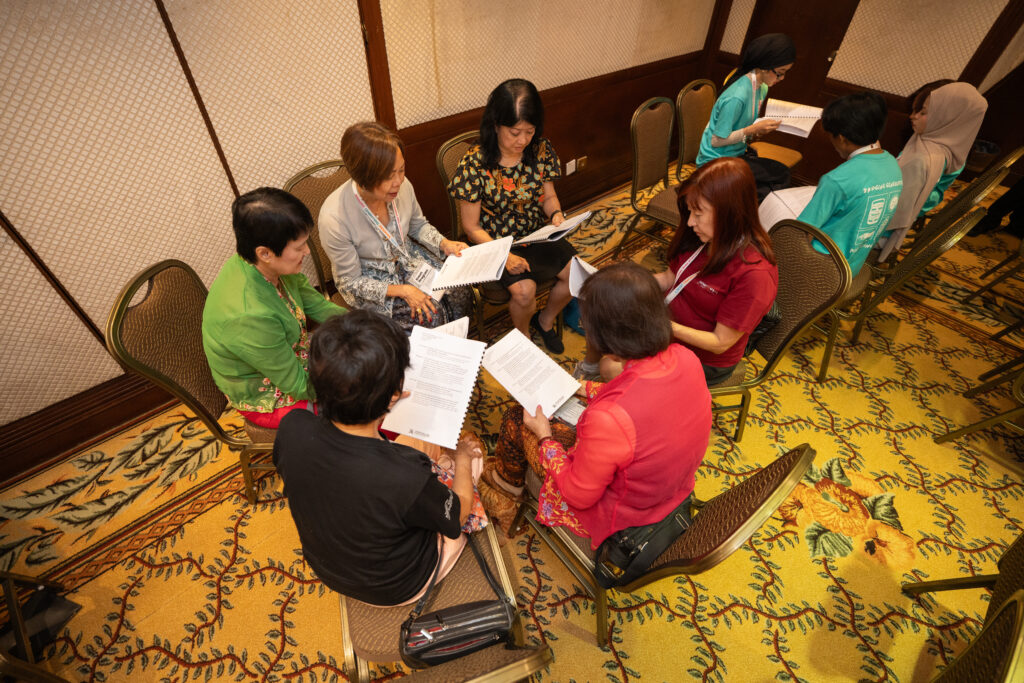
After the lunch break, there were several activities scattered around the hotel. Script-reading (Meh Main Wayang) was initiated by this writer with veteran radio and television host Julianna Goh. Groups of readers pored over the abridged play Ayer Di-Tetak, Tak-Leh Putus or Blood is Thicker Than Water by Nyonya Irene Ong.
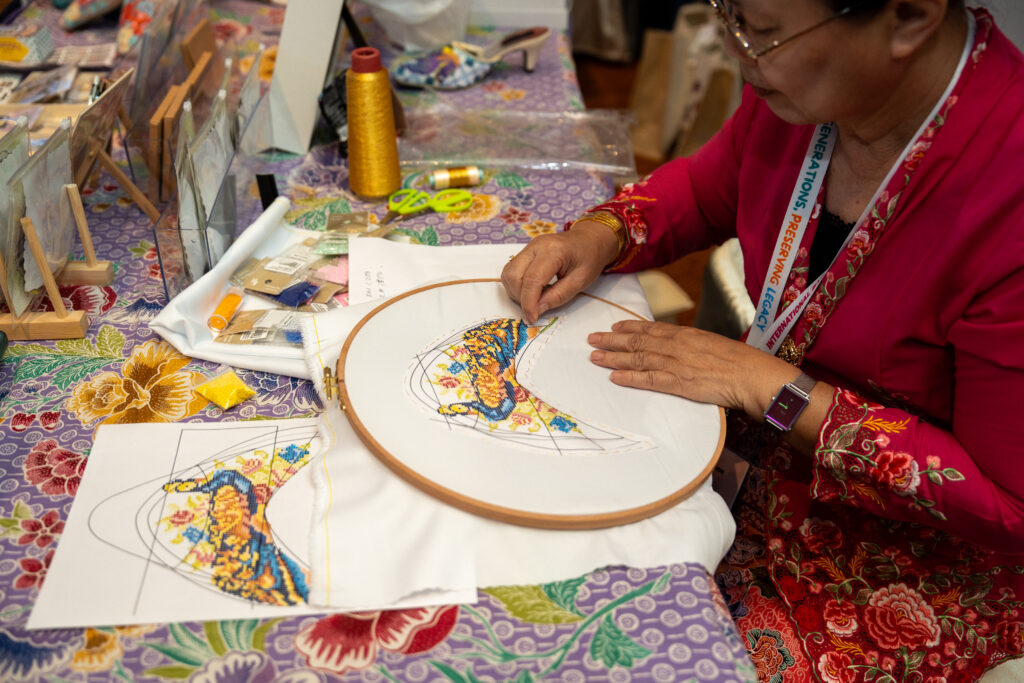
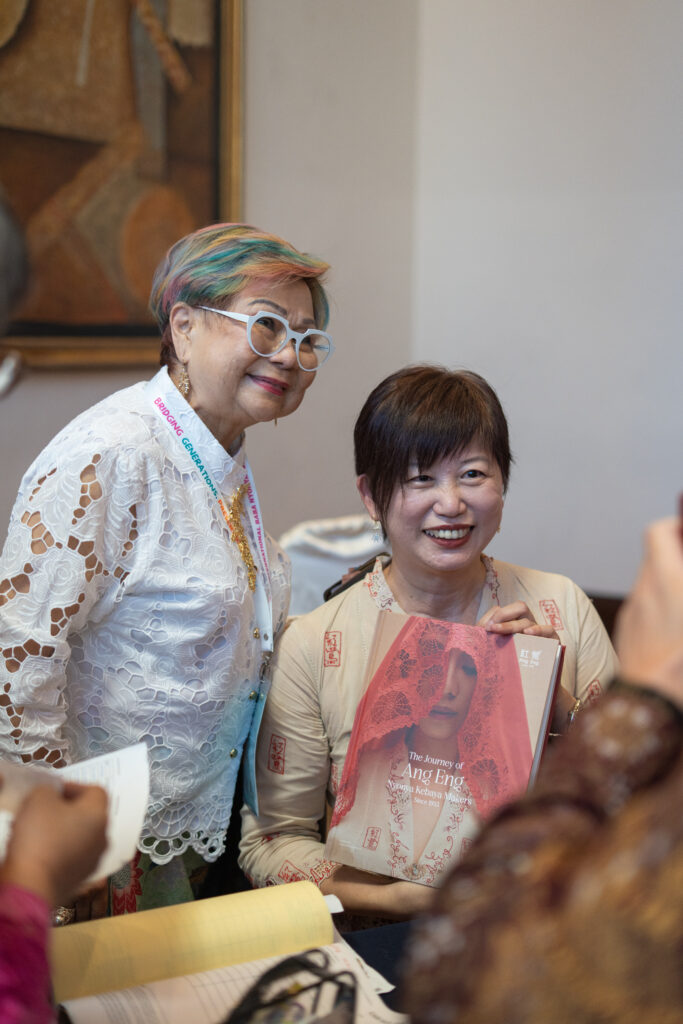
The Melaka Chetti Kitchen showcased A Culinary Journey of 500 years, The second Bookcase was The Journey of Ang Eng – Nyonya Kebaya Makers since 1955, a book of costume and fine kebaya embroidery.
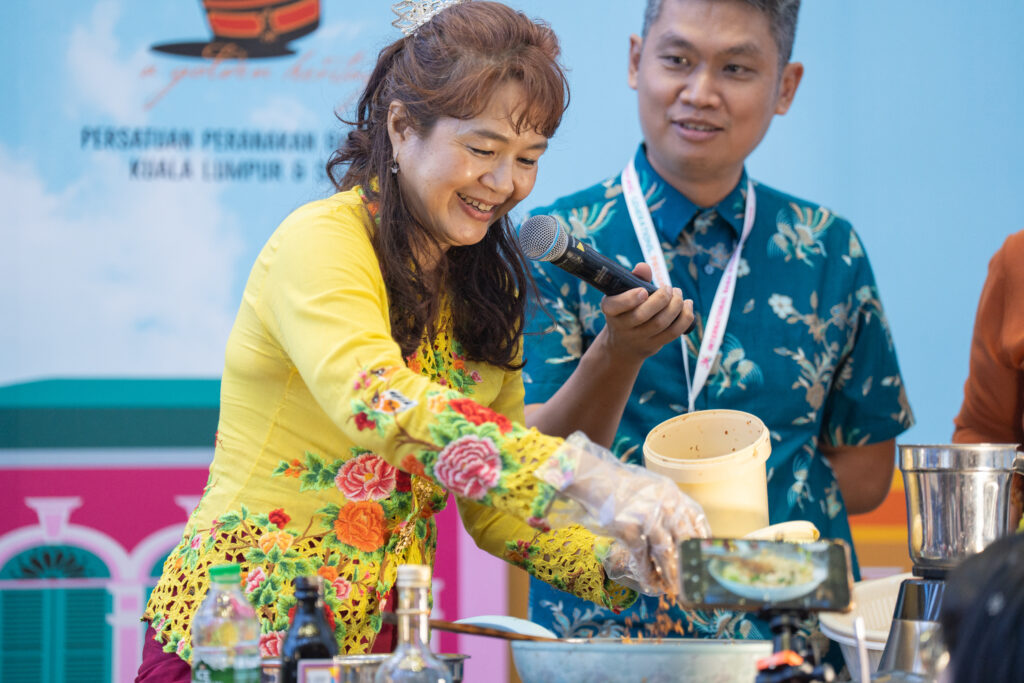
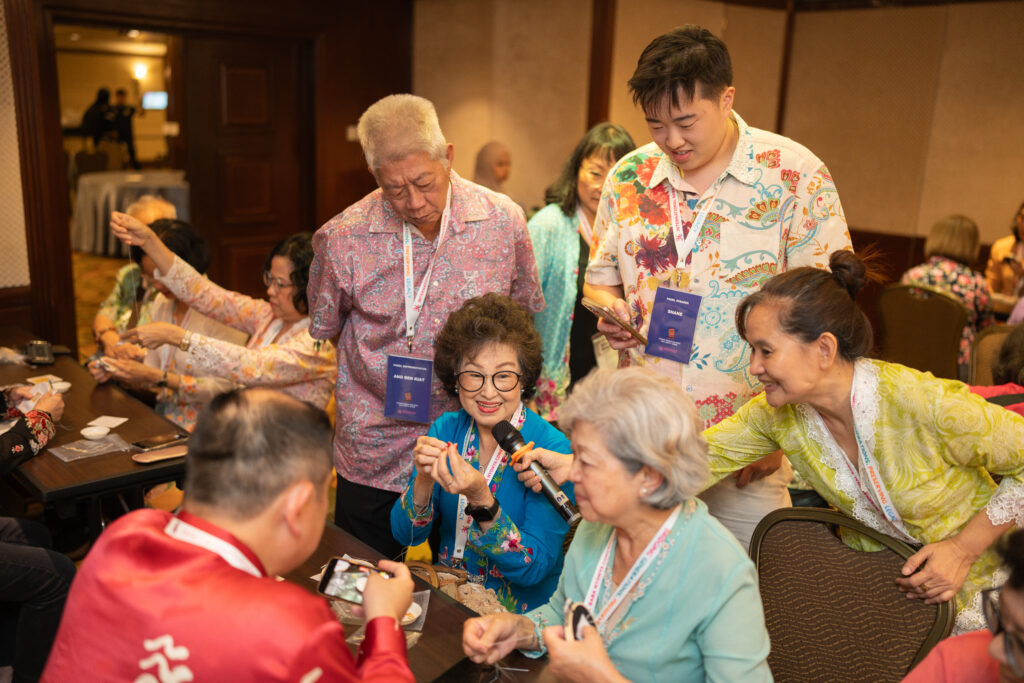
The Peranakan Storytelling (Meh Kongsi Cherita); Cooking Demo (Meh Belajair Masak); Peranakan Beading Workshop (Meh Jait Manek) with complimentary do-it-yourself kits, were all well-attended.
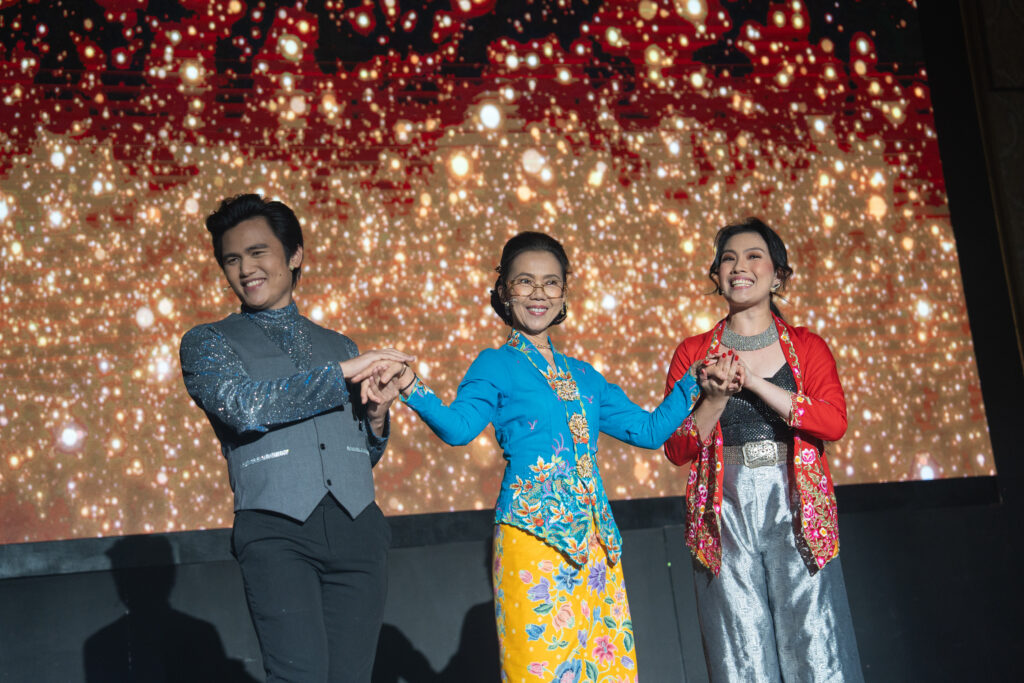
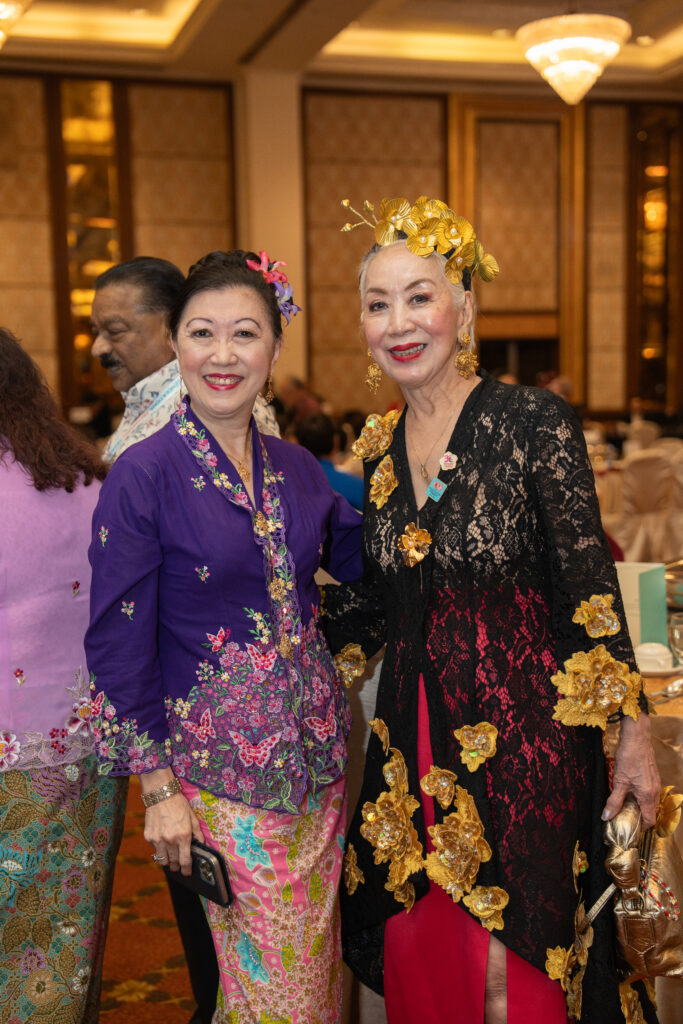
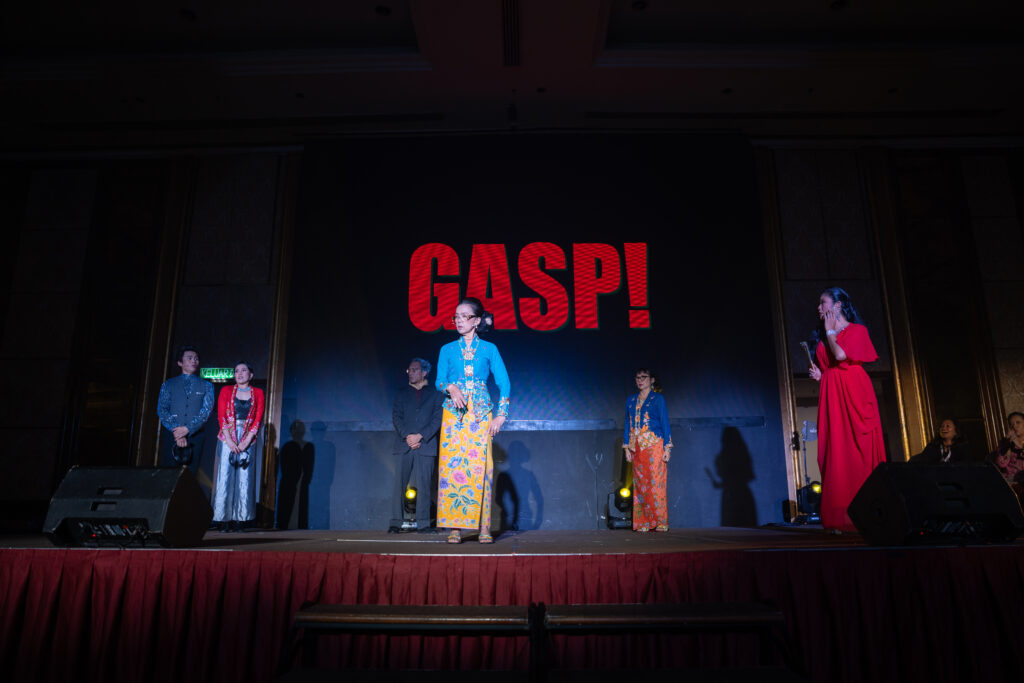
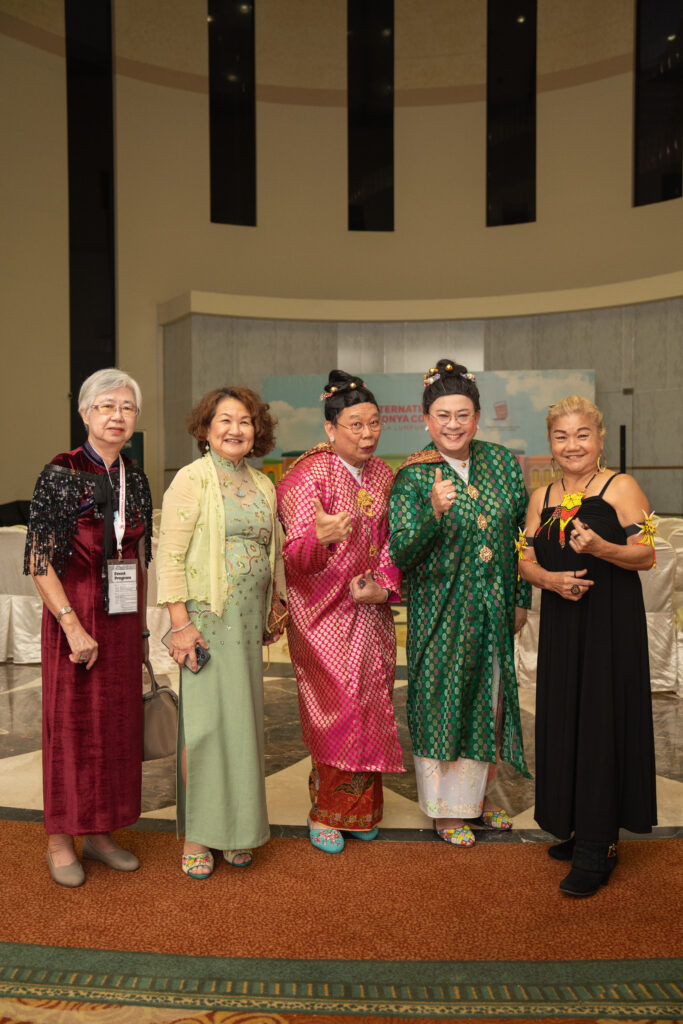
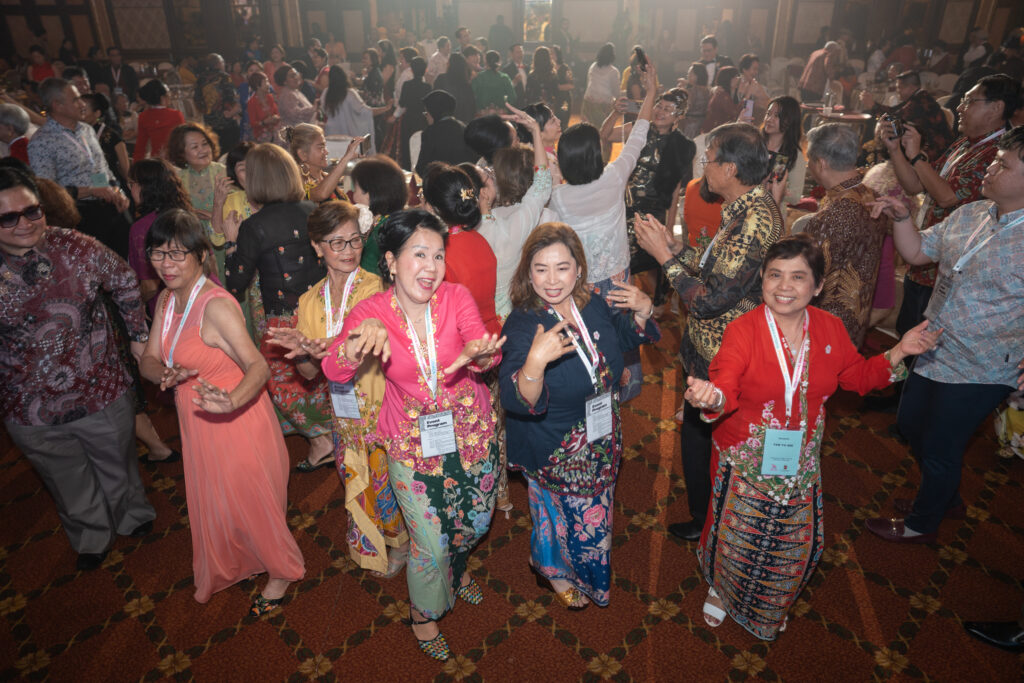
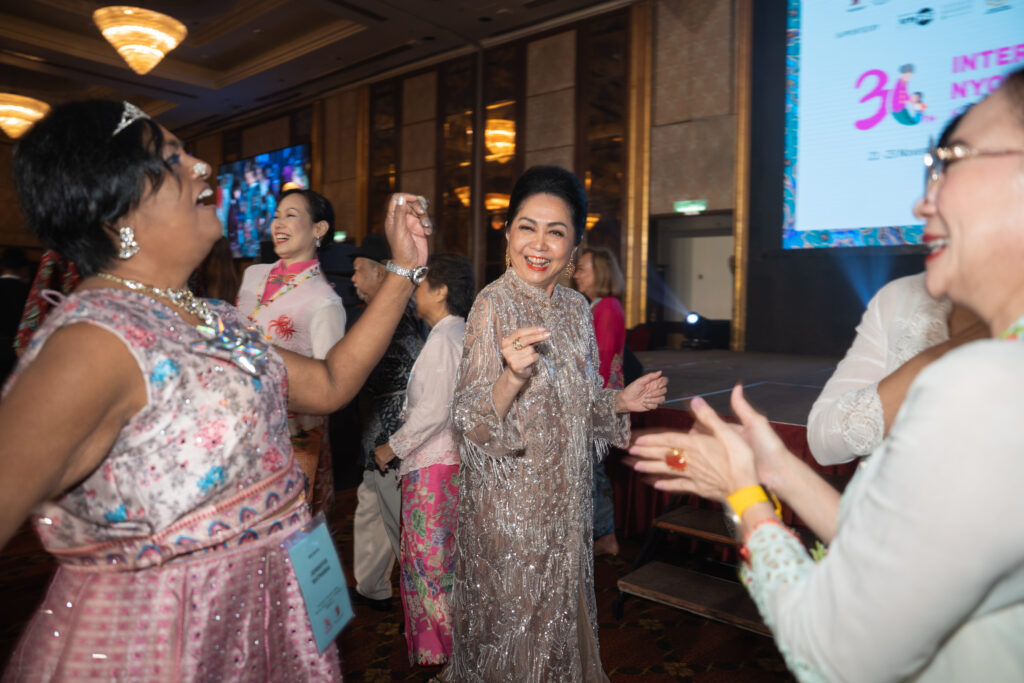
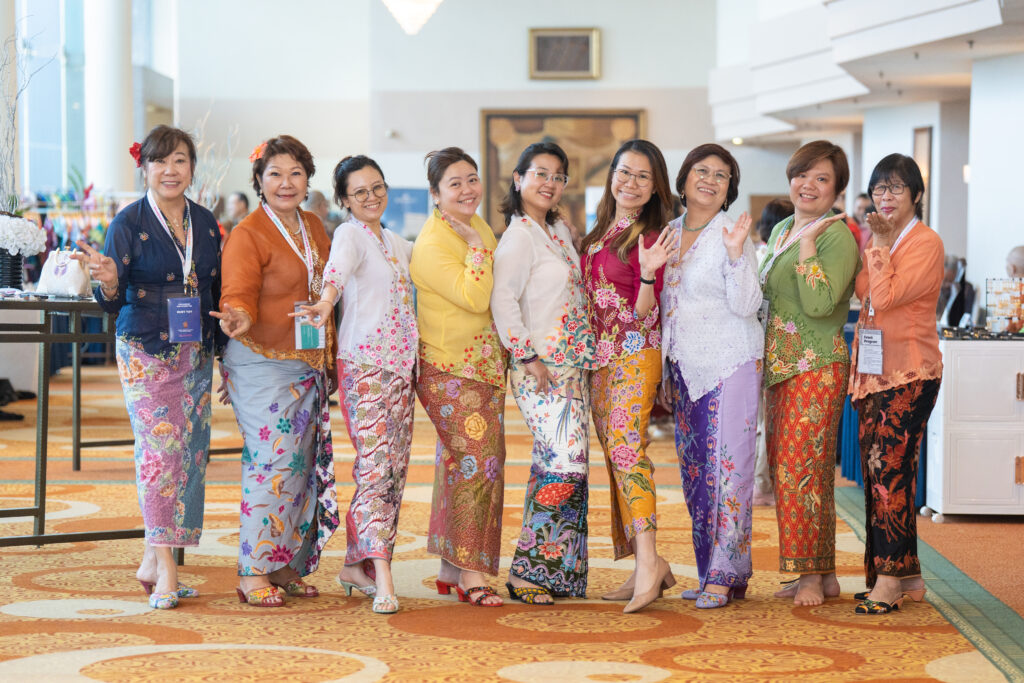
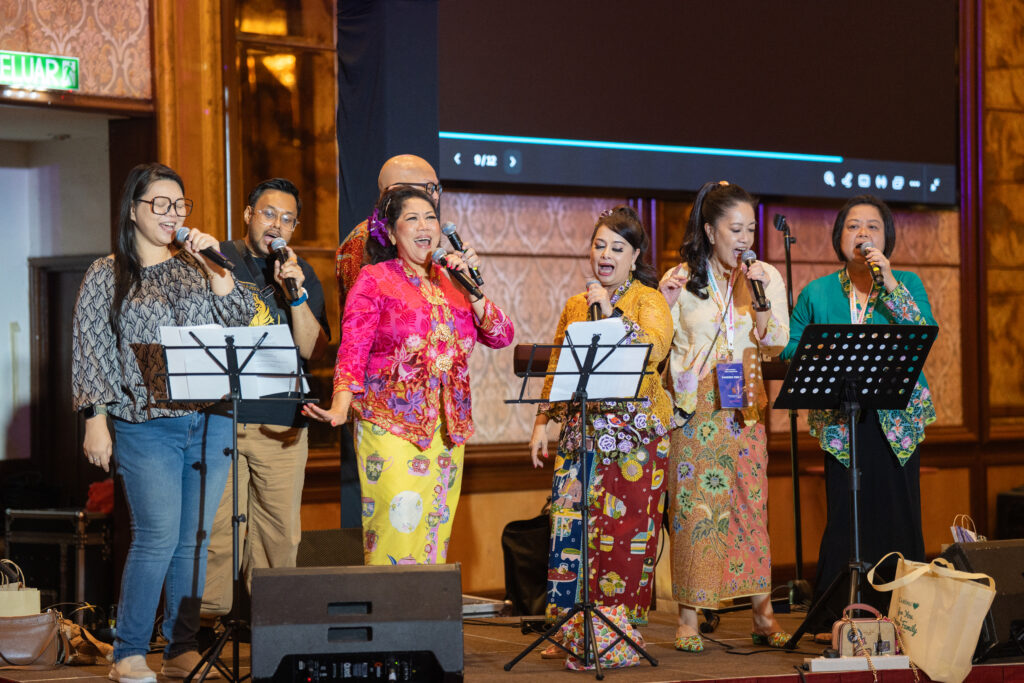
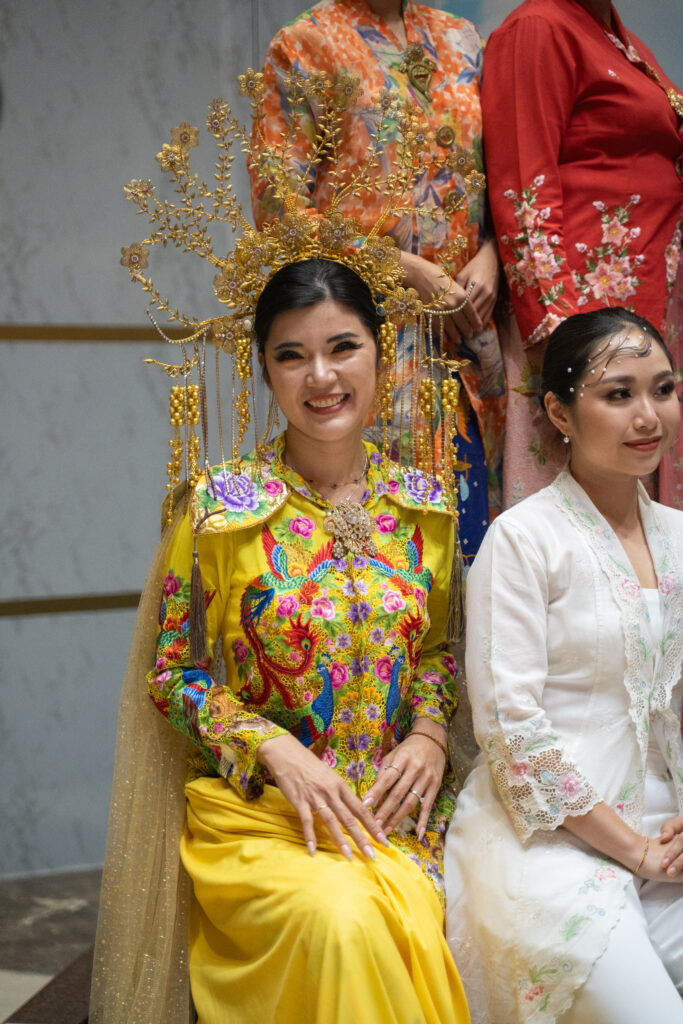
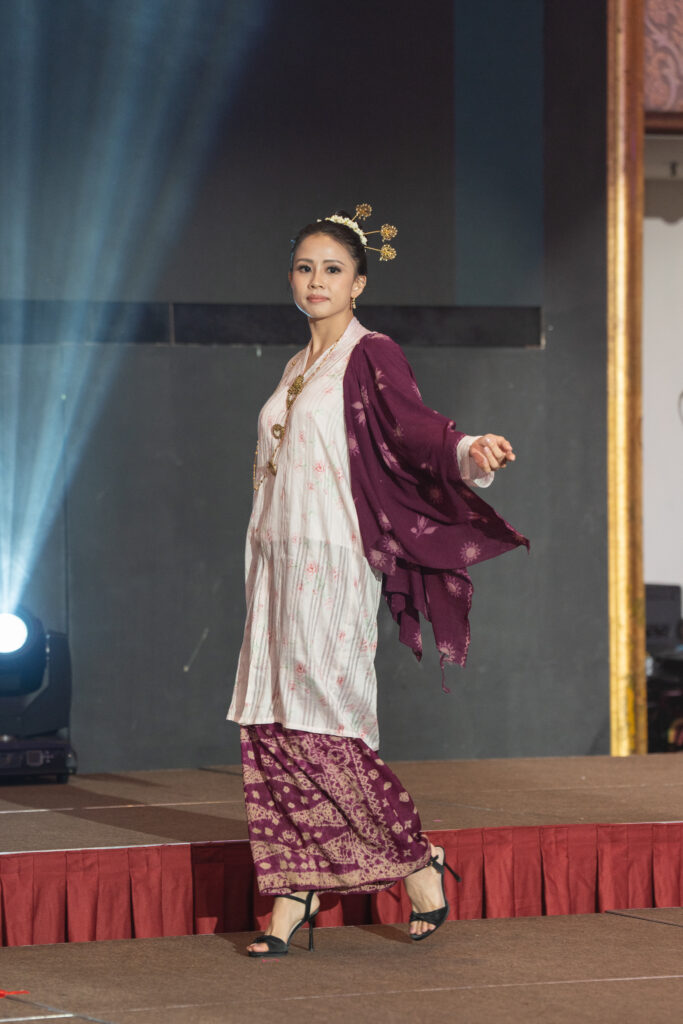
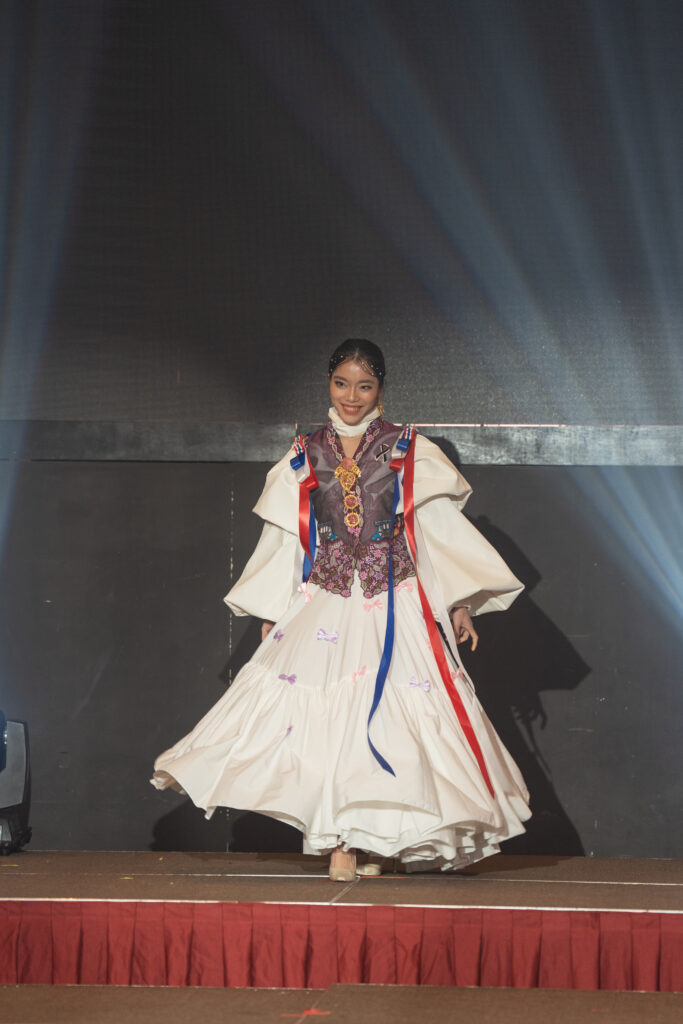
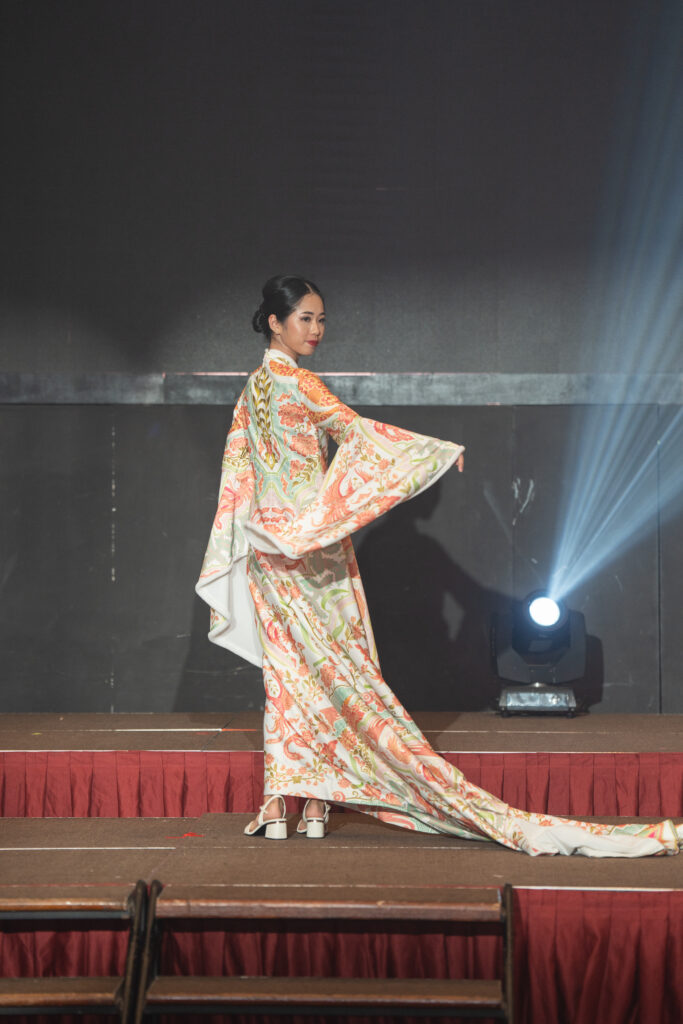
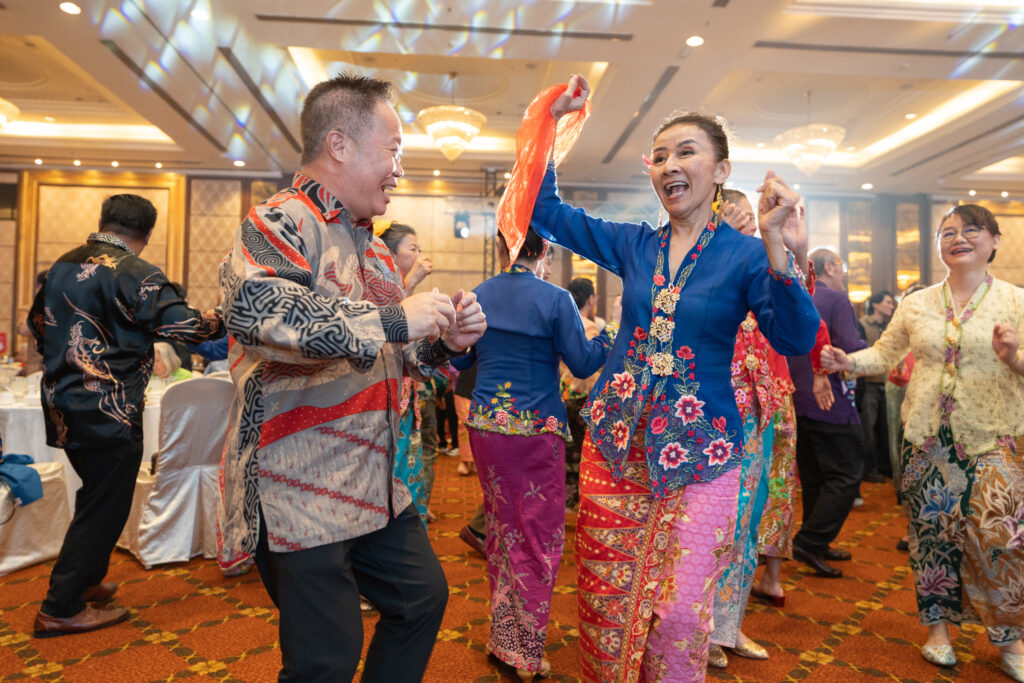
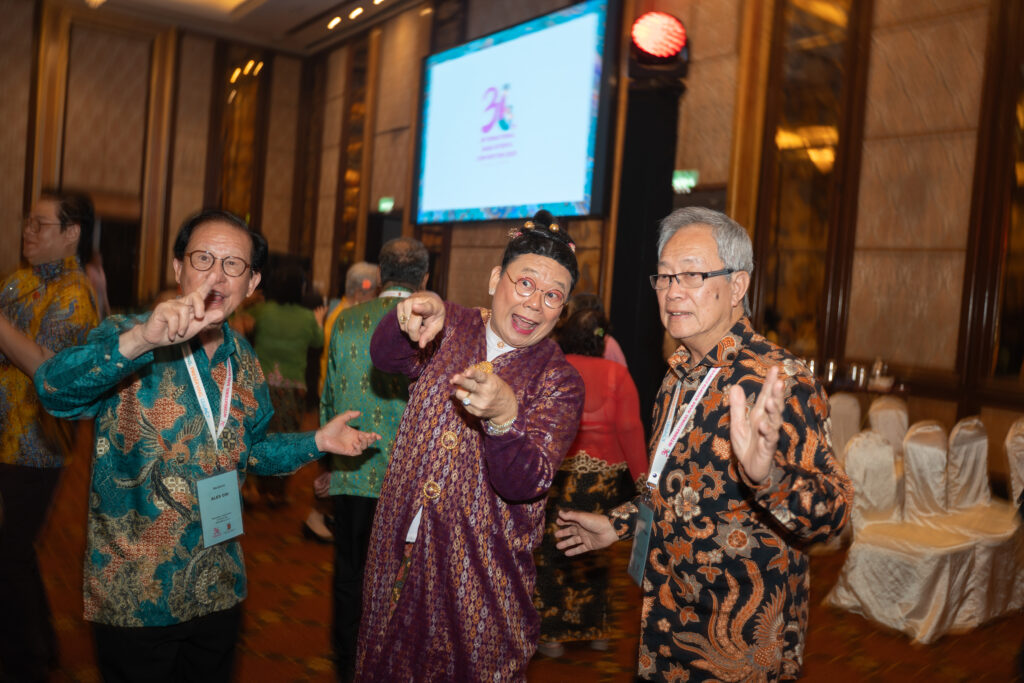
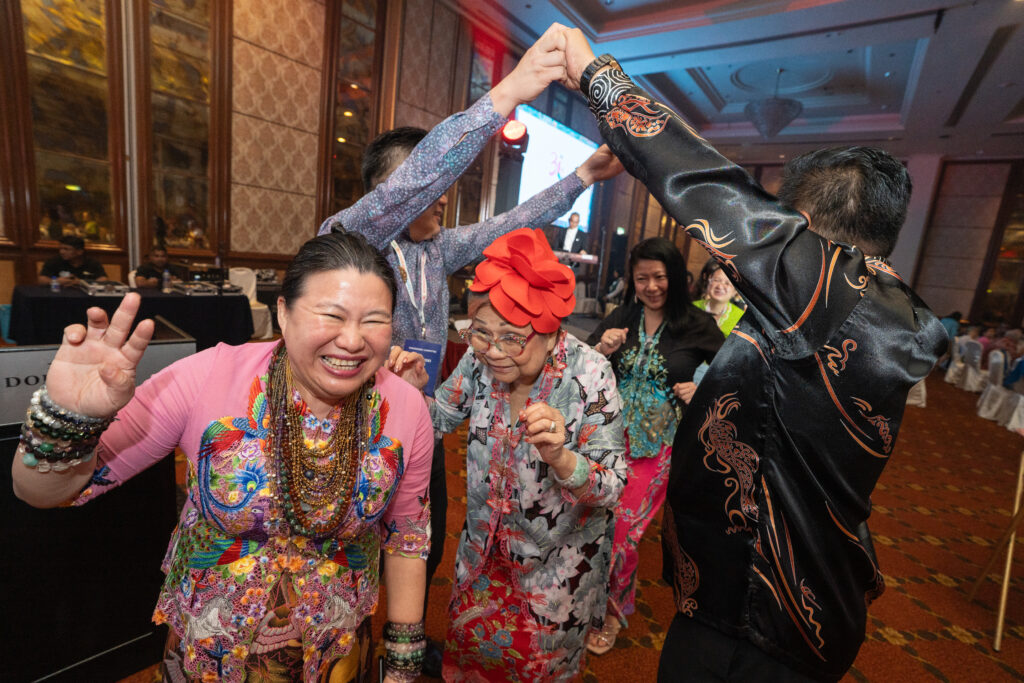
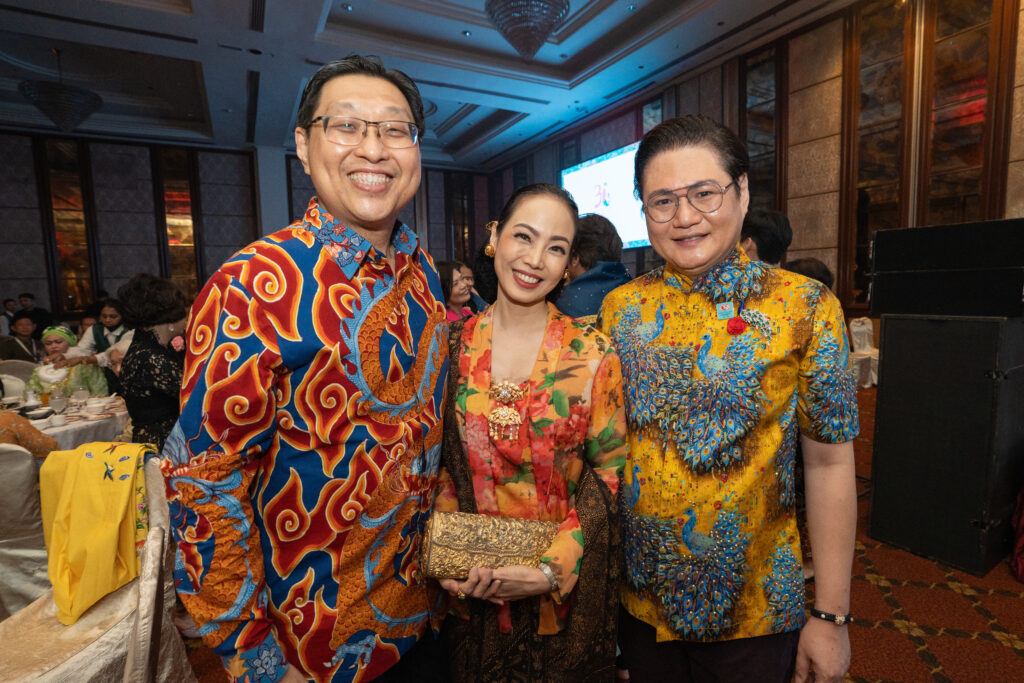
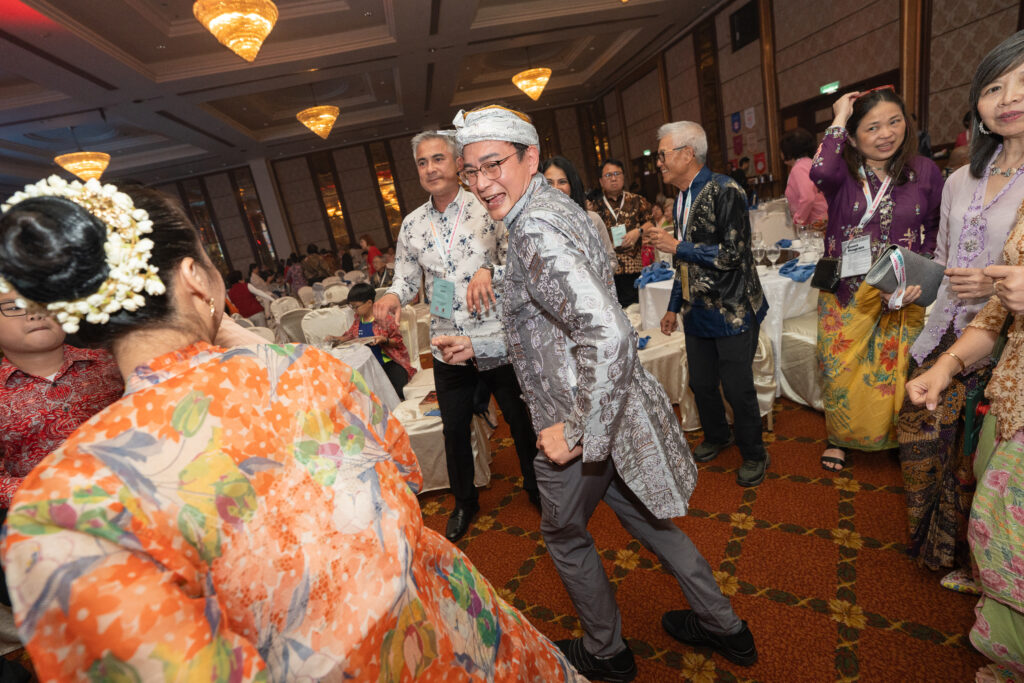
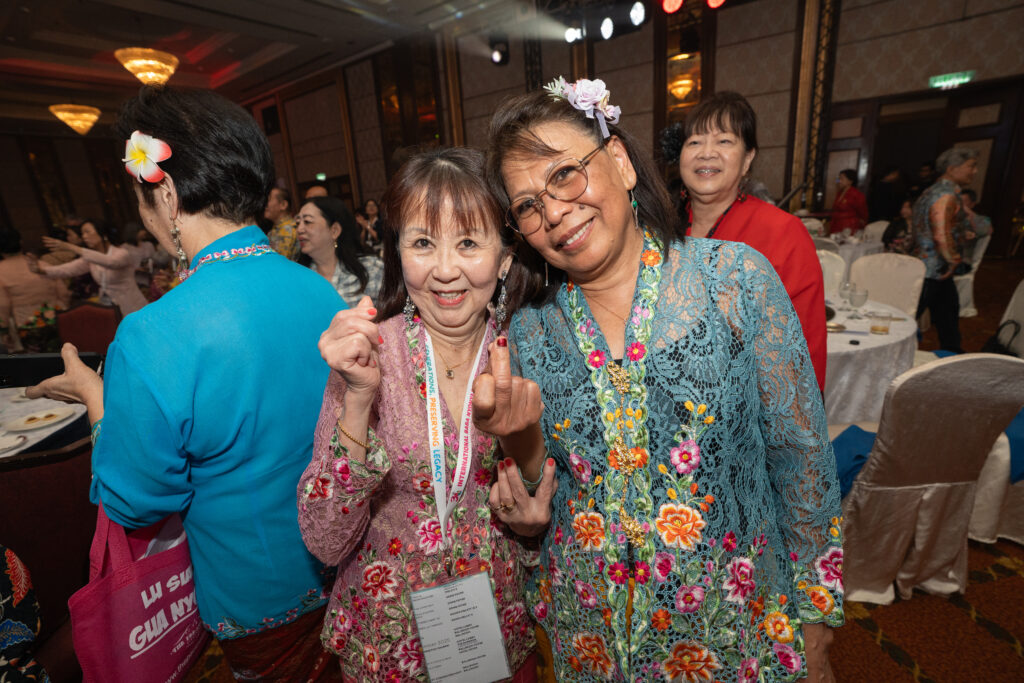
The gala dinner, featuring Cantonese cuisine, brought out the highlight fashion show of the UNESCO-listed sarong kebaya in its varied manifestations contributed by the participating associations. There was more singing and dancing of popular Malay, Western and Thai beats that brought the ladies in fine sarong kebaya and the batik-shirted gentlemen to the dance floor.
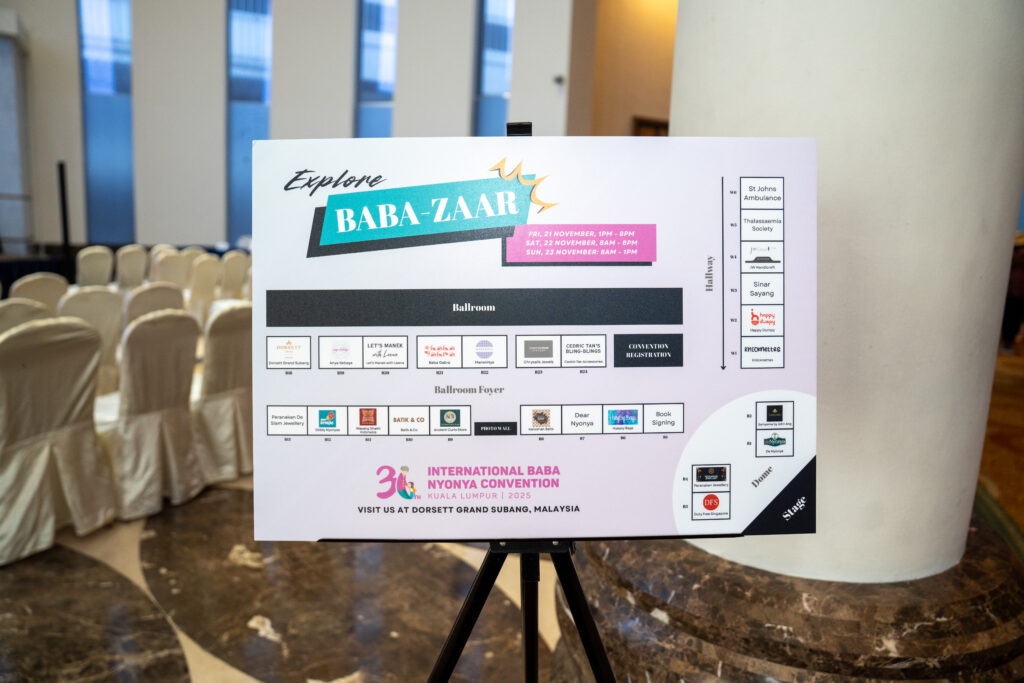
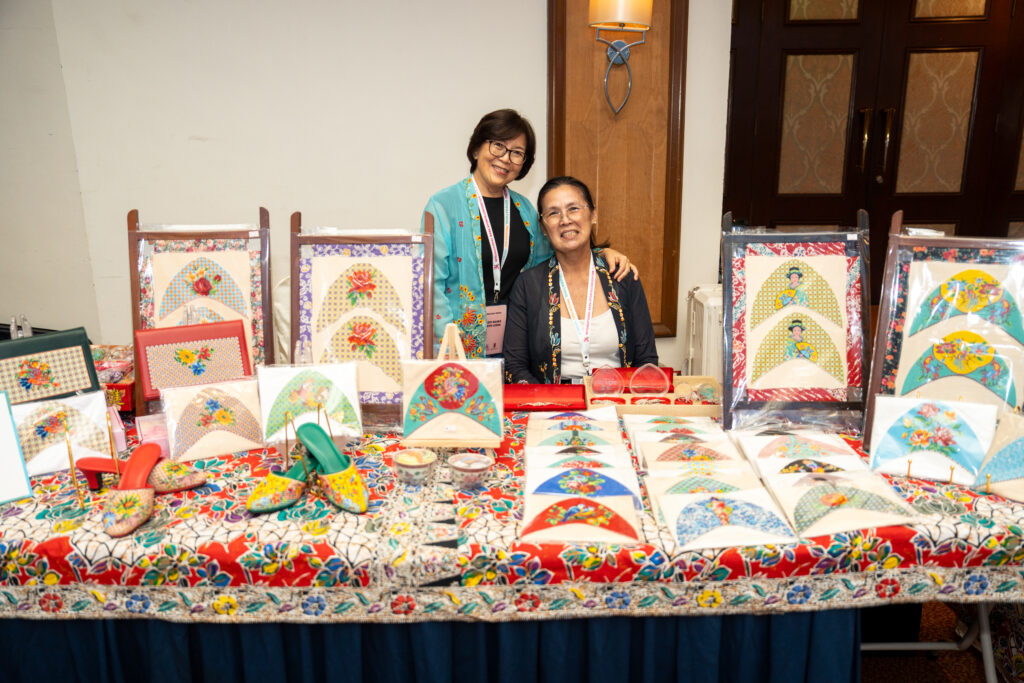
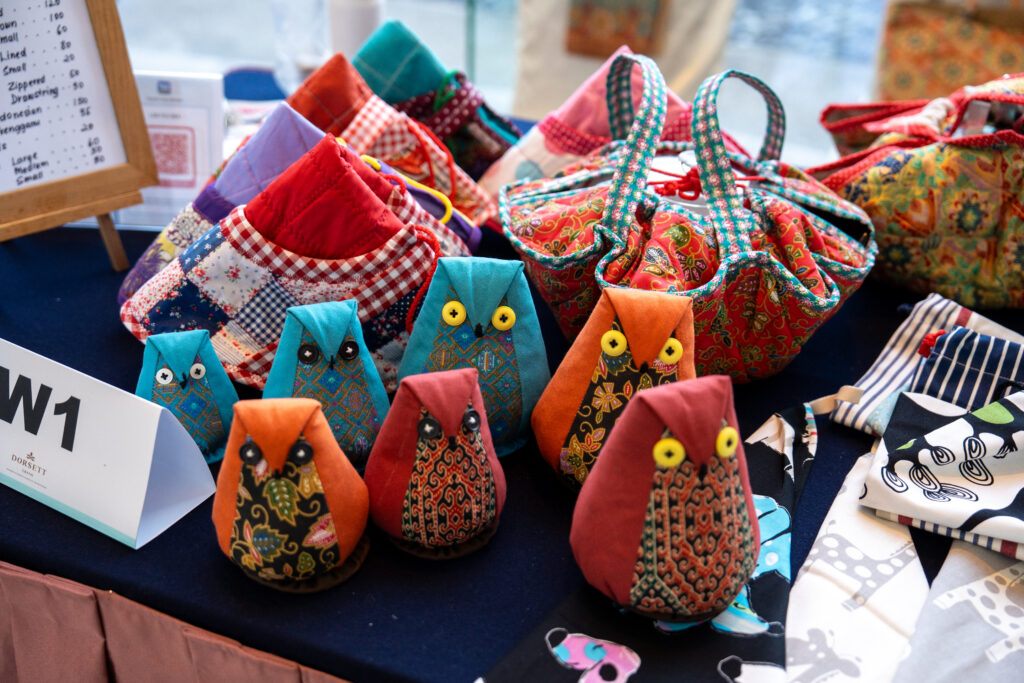
The biggest draw must be the Baba-Zaar that had 25 local and international vendors selling antique, reproduction jewelry, beaded shoes, handbags and baskets, snacks, ready-made pastes of Nyonya recipes, books, batik sarong and kebaya tops, vintage pieces, to the delight of delegates. Shopping continued right to the last minutes of the convention.
The St. John Ambulance desk on standby had only one case – pulling out a damaged fingernail – and thankfully no other emergency!
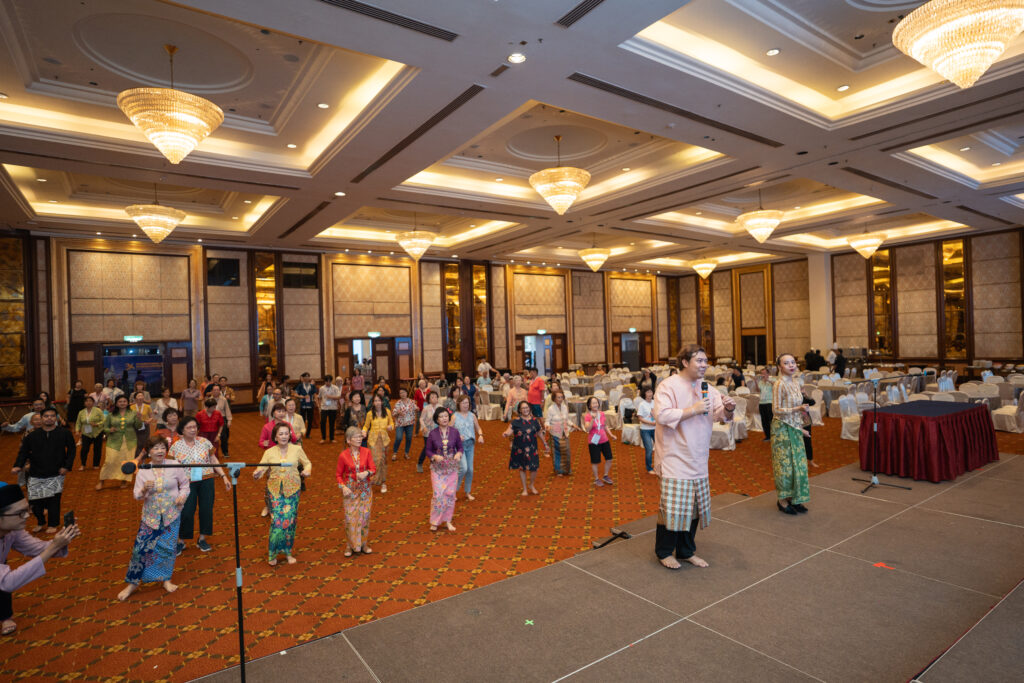
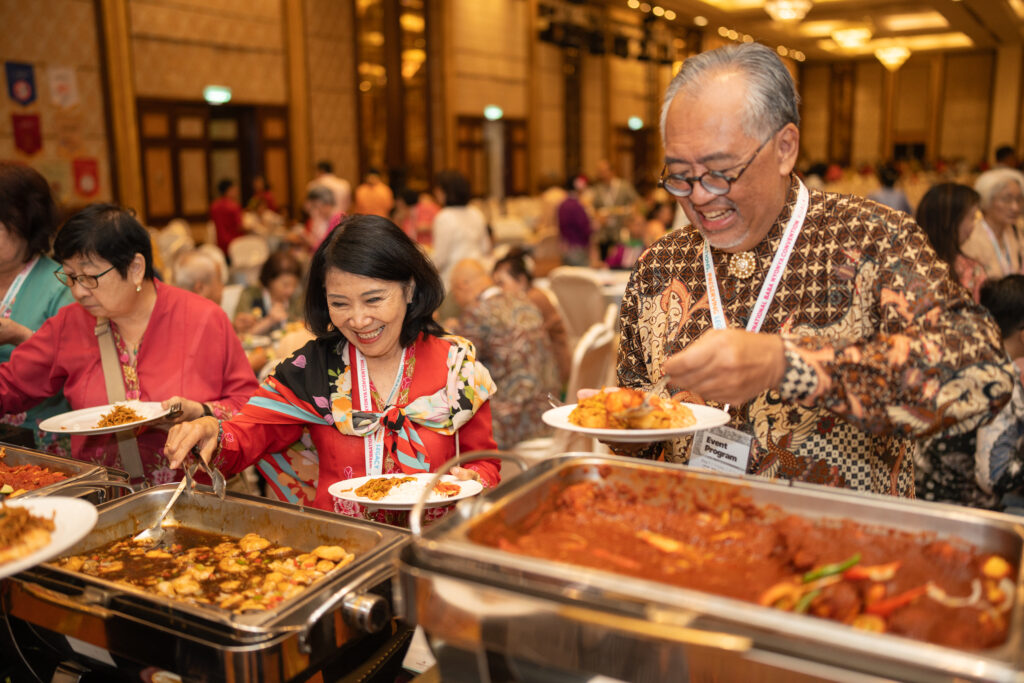
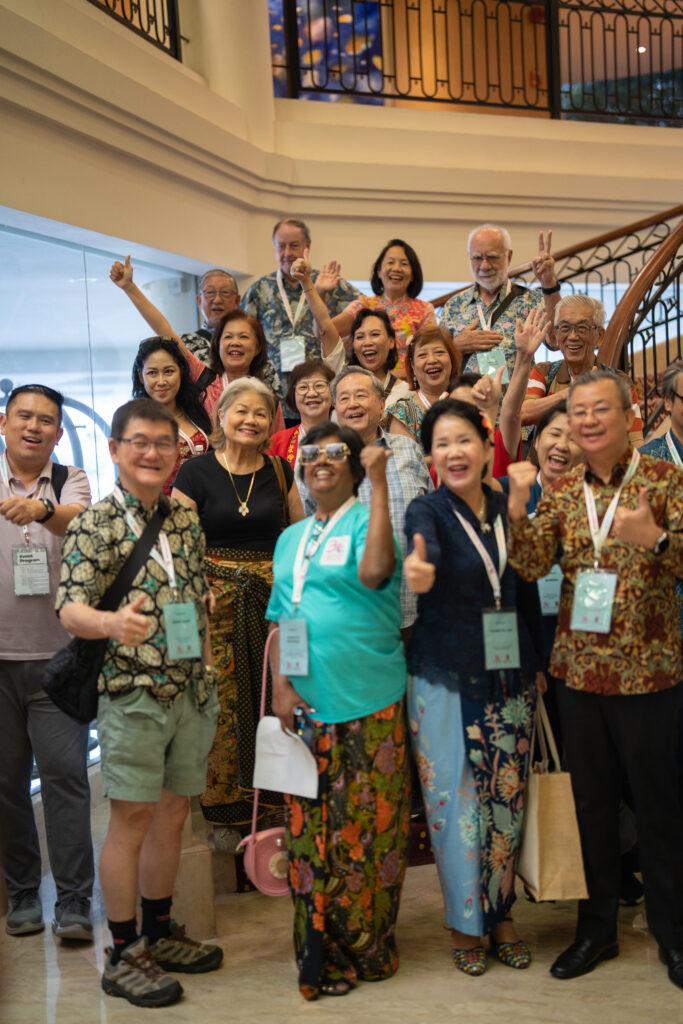
Sunday morning saw milder activities including Catholic Morning Mass and a Kuala Lumpur city tour of a temple and a Malaysian Chinese Museum. A Farewell Lunch of noodles, dumplings, assorted dim sum and kueh-kueh brought satisfied looks.
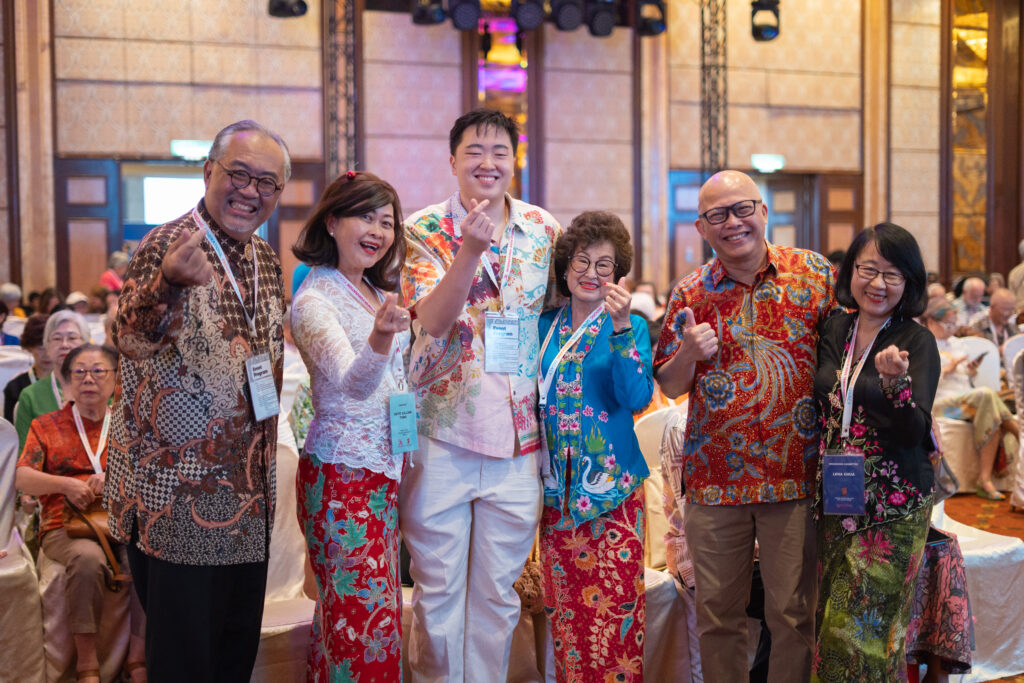
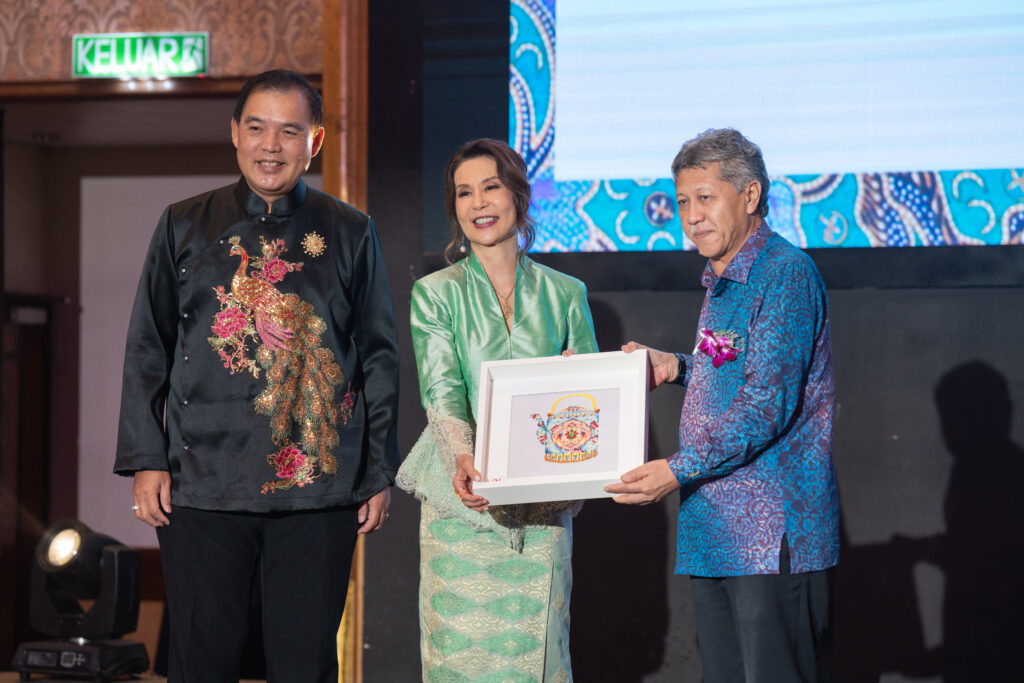
The Convention president Vivienne Lee and organising chairman Cedric Tan did it! It was a successful event peppered with pantun and praises. What was especially heart-warming was when the two leaders called each member and volunteer onstage to show their appreciation followed by a rousing photo-taking.
The next Convention will be hosted by the State Chinese (Penang) Association (SCPA) and is slated for 20-22 November 2026.
Do sign up!
PPhotos from our official photographers: Photographs courtesy of PPBNKLS with selected photographs courtesy of Cynthia Wee-Hoefer.