 THE PERANAKAN
Nyonya Maximilienne ‘Maxi’ Lemye shares her family’s China connection with Baba Emeric Lau
Many Peranakans would have heard of Major Tjong A Fie of Medan and his mansion there, or read Memories of a Nonya, an autobiography by his daughter, Queeny Chang nee Tjong Foek-Yin, who was TPAS President Genevieve ‘Peggy’ Jeffs’ grandmother. Peggy’s maiden name is Lim (or Lin in Taiwanese).
Peggy is Maximilienne’s niece. Members of the Tjong and Lin families had intermarried: Queeny Chang with Lin King-jin, and Tjong Fa-Liong with Lin Hong Hiong. Maxi is the granddaughter of Tjong A Fie, her mother being Tjong Sce Yin who was a renowned musical prodigy and married Belgian Honorary Consul M. Lemye in 1936.
Maxi was born in 1942 in Medan, Indonesia, and lived there till the age of 11, when she moved to Belgium with her sisters to continue their education. As such, she is familiar with Chinese traditions including the Lunar New Year and Cheng Beng (or Qing Ming). She recalls that “her grandmother and some of the aunties wore sarong kebaya”. She also attended the Holland School and to this day revels in her dual East and West cultural identity.
“I have, all my life, wanted to reconnect with my Chinese roots and learn more about the Tjong family in China. Yet I live in Europe and do not speak Mandarin, so I felt that I would be lost if I ventured to China myself,” shares Maxi, who turns 84 in 2026. It was a moment of serendipity when Peggy’s sister, June Lim, agreed to accompany her on a trip to Canton, China. This finally happened in November 2025 and turned out to be a “dream come true” for Maxi.
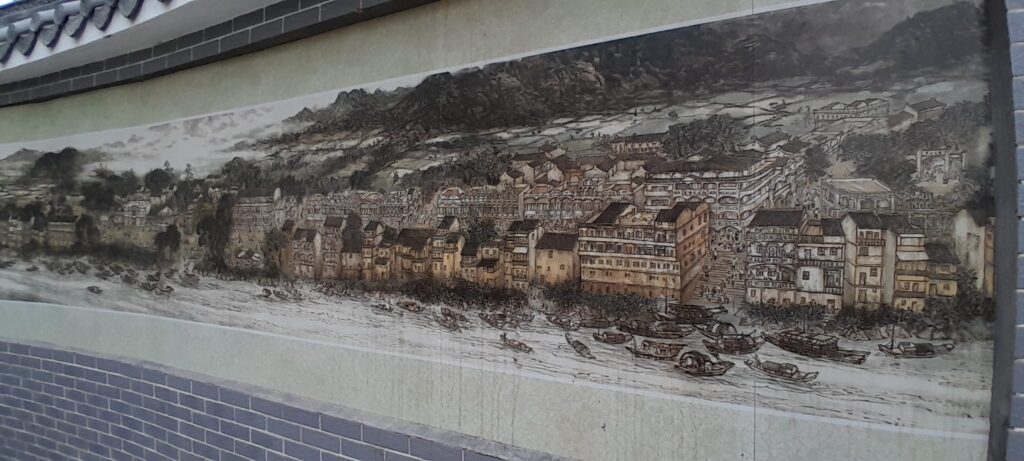
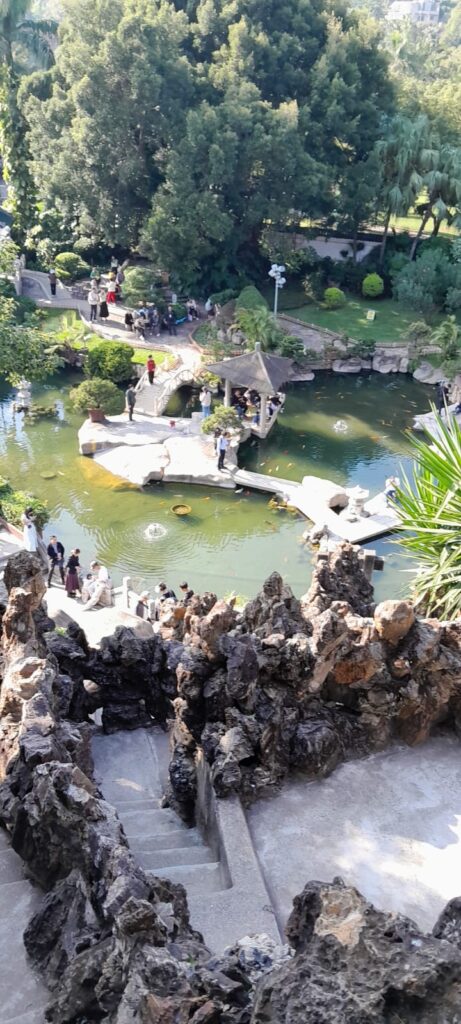
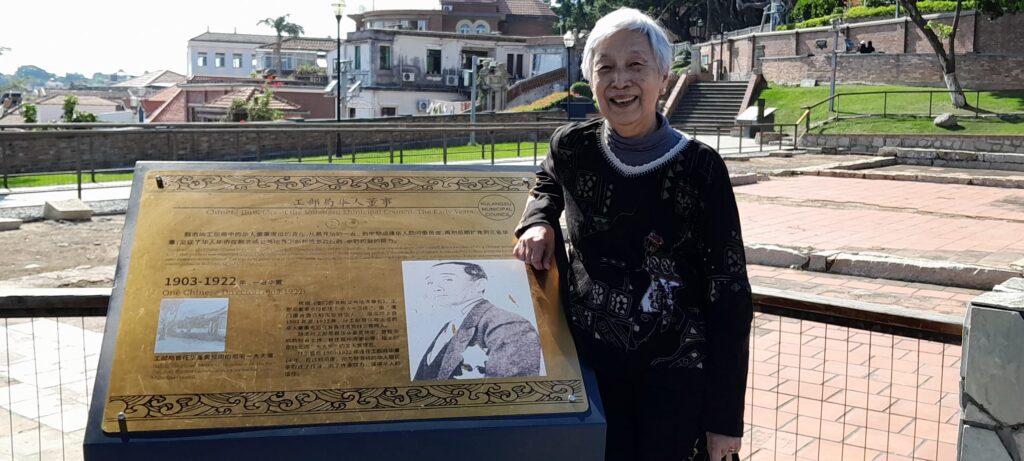
The first town they visited was Xiamen, where they went to Lin’s Garden (on Gu Lang Yu Island) and saw a picture of June’s and Peggy’s great-grandfather, Lim, where they pressed their palms together in respect. “It is important that we greet or ‘bai’ our elders,” she observes.
While there, they met another visiting relative on the Lim side of the family: a half-English lady residing in Switzerland. “It was wonderful,” recalls Maxi. “Our family has descendants all over the world!”
They also visited a piano and pipe organ museum within the Garden, where she mused over the memory of her mother, Sce Yin, who passed away at almost 100 years of age in 2012. Tjong Sce Yin had trained at the Geneva Conservatoire in the piano and organ, performed an organ concert at the Victoria Concert Hall in Singapore in 1934, and founded the Medan Music School in 1950, the first classic music school in Indonesia. Today, the school is known as the Sumatra Conservatoire.
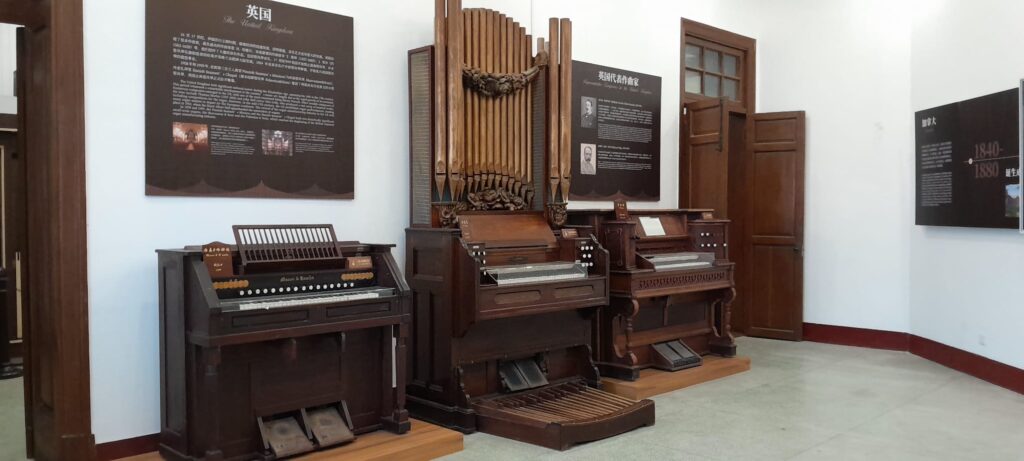
A music teacher herself, Maxi credits her mother for inculcating in her a passion for art and music, along with a strong work ethic – something she also attributes to her grandfather.
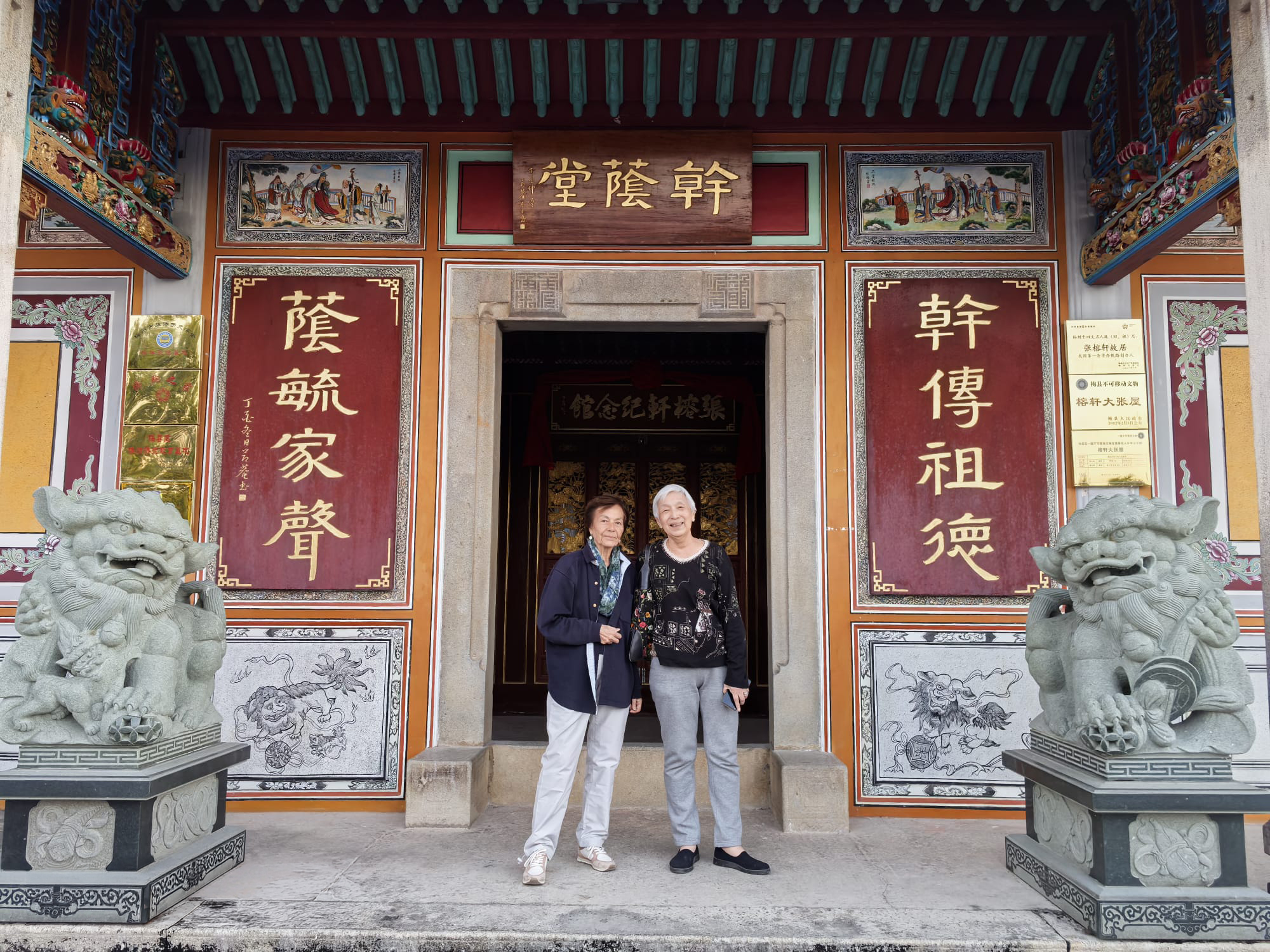
Maxi and June then travelled to Songkou, the Hakka homeland of the Tjong family, where they found Tjong A Fie’s house still standing to their delight. “I felt like I was home, very similar to whenever I’m in Medan,” says Maxi. They also visited the Tjong Yong Hian house, which was renovated into a commemorative museum in 2015 by his great-grandson Budi (Zhang Hong Jun) and his wife, Linda Setiawan (Lin Su Qin).
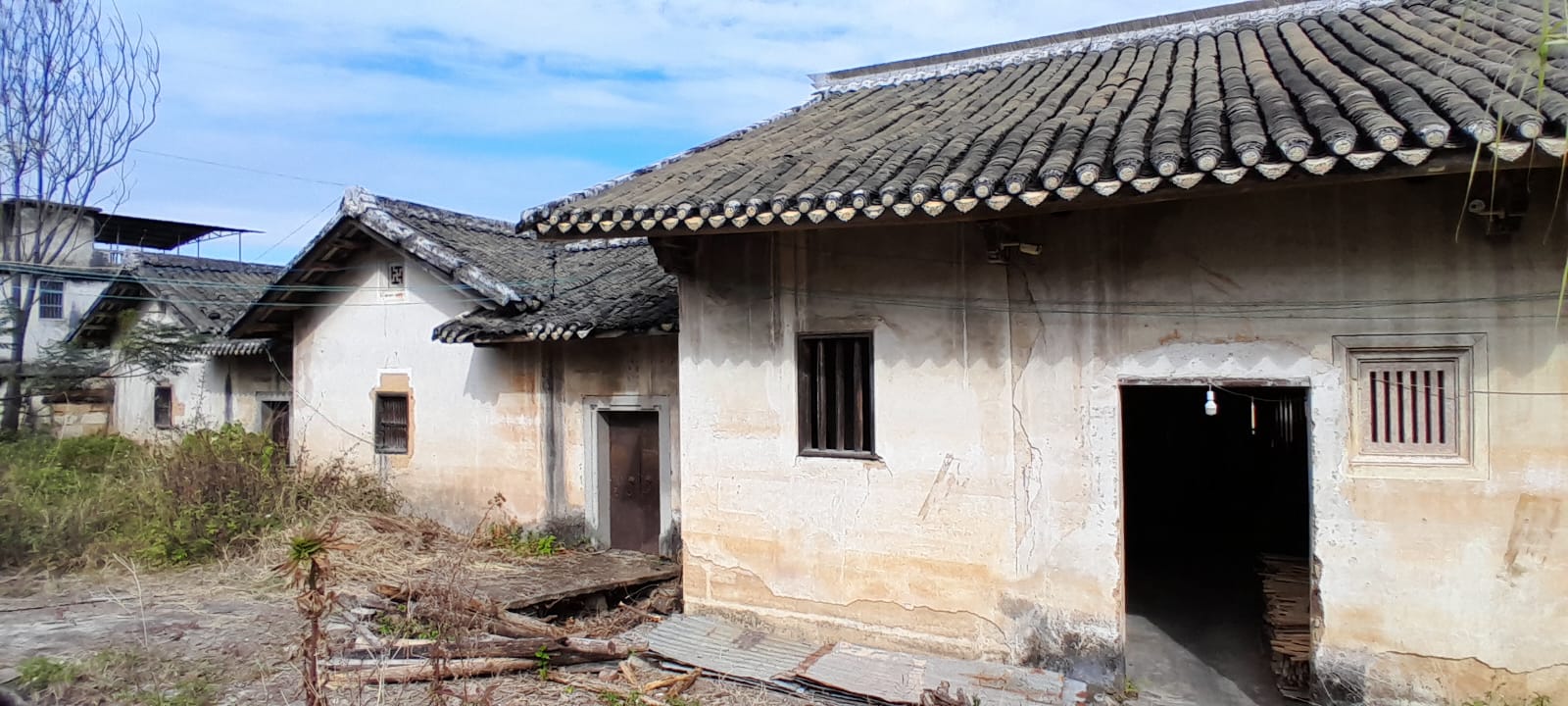
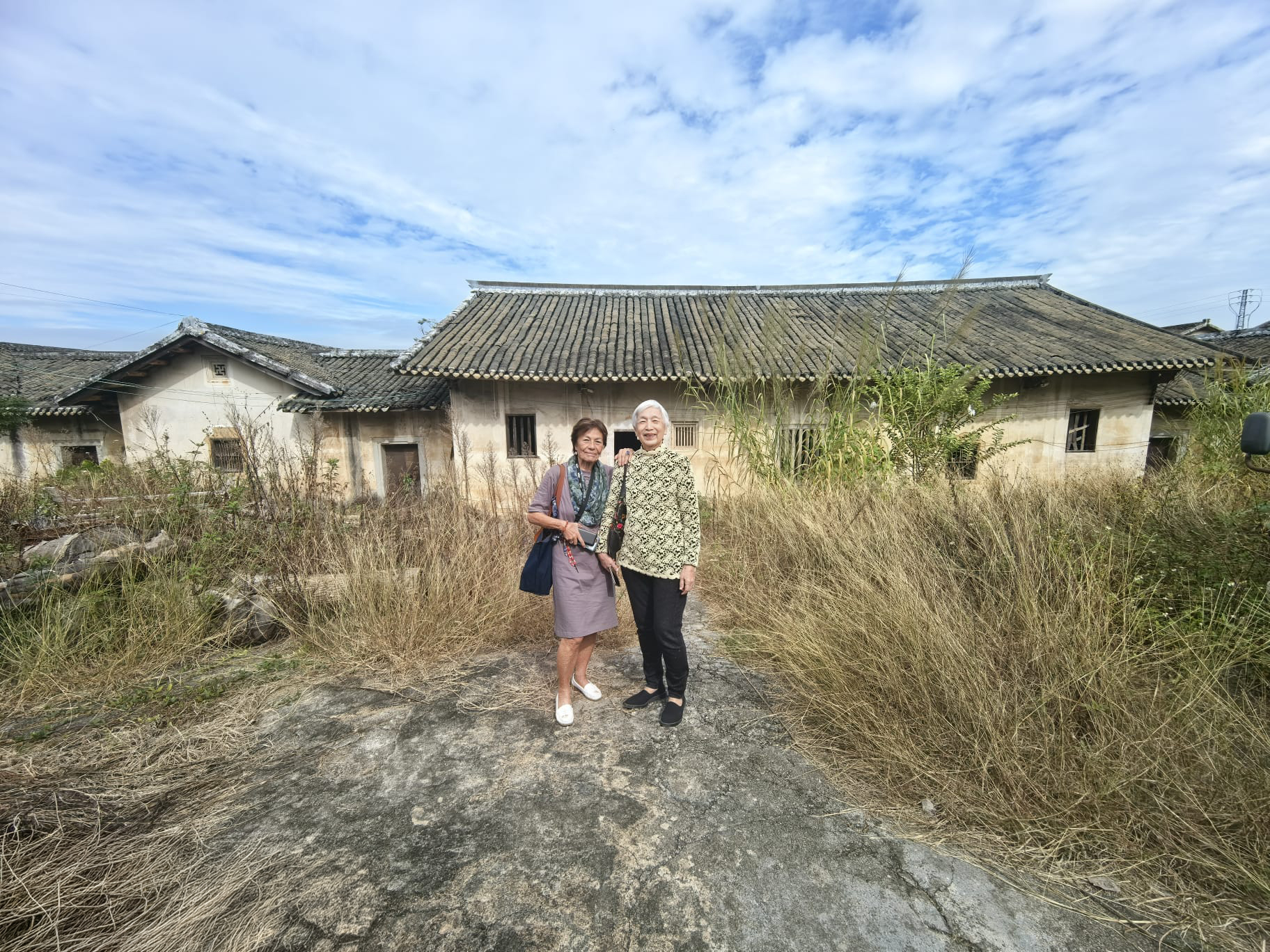
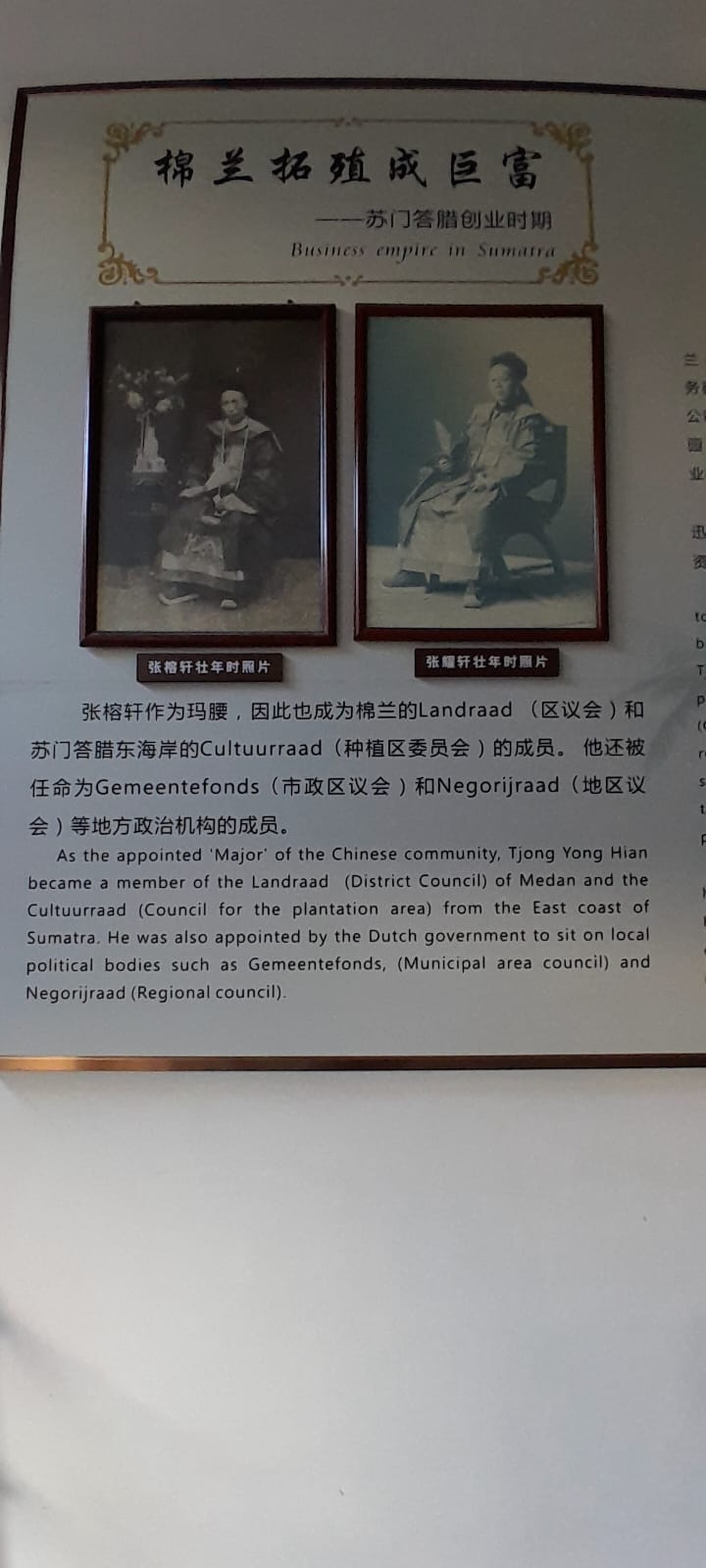
Right: The Tjong brothers’ photos in Tjong Yong Hian’s renovated house.
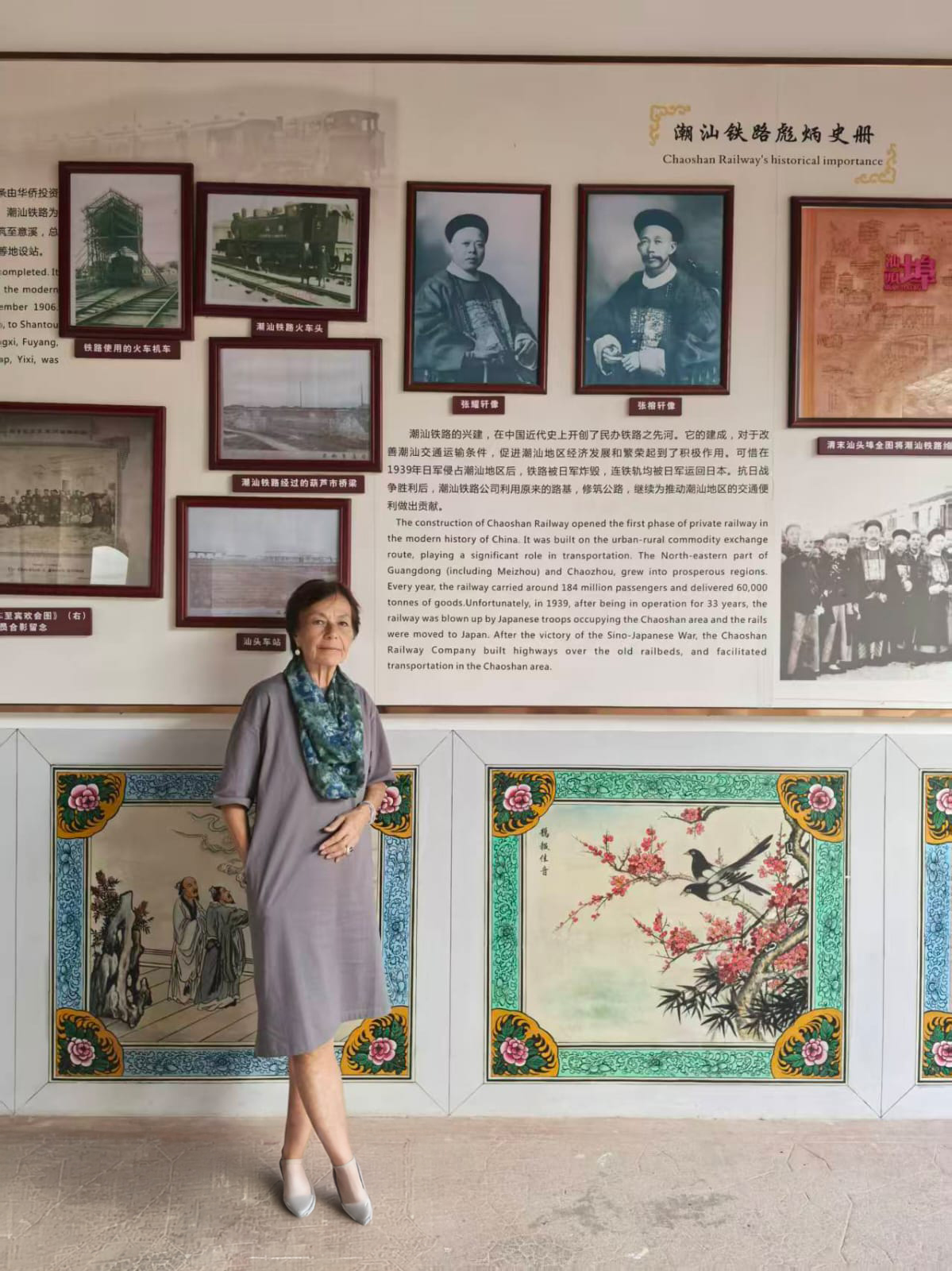
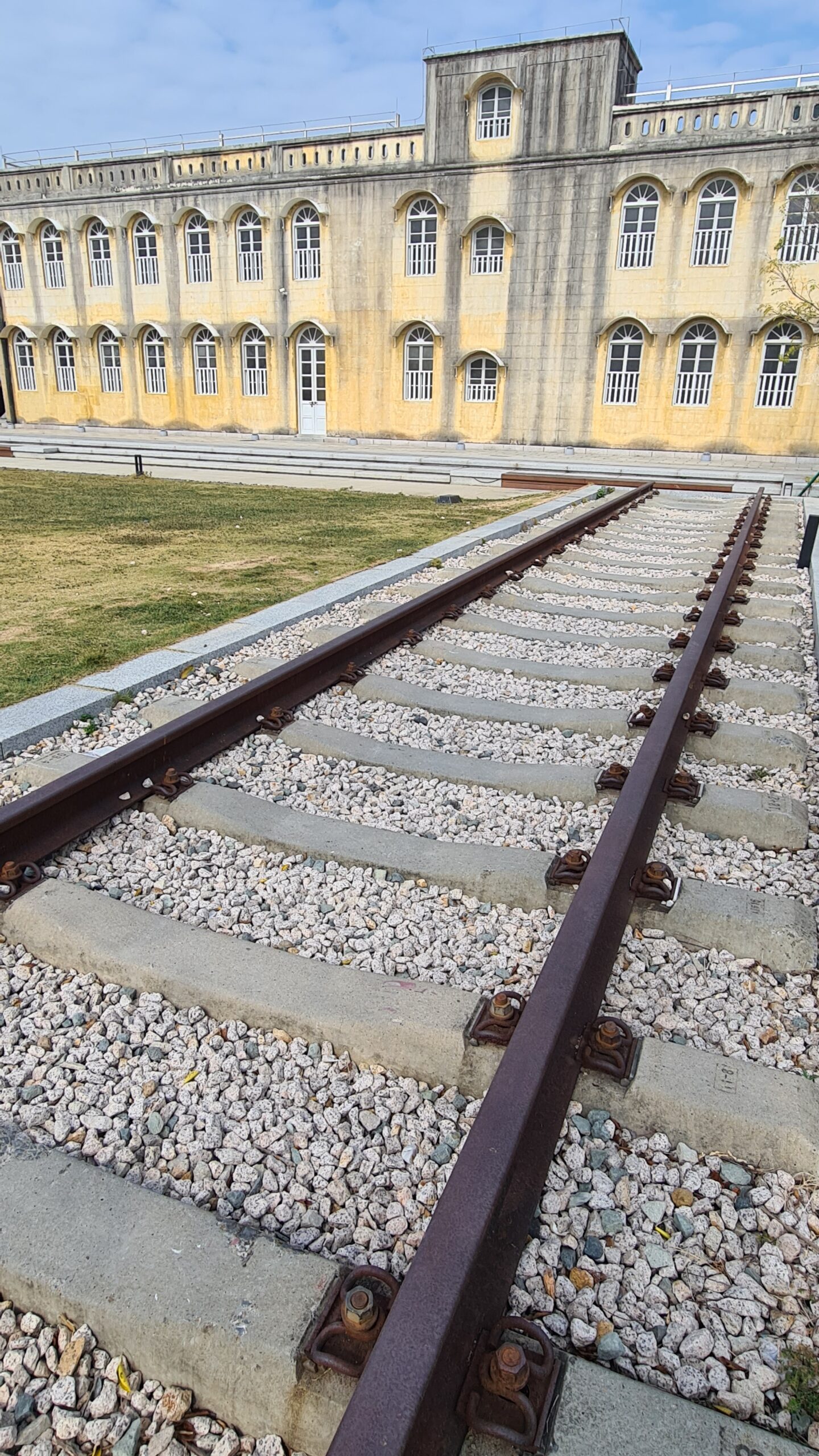
At the Swatow Railway Museum, Maxi viewed photos of Tjong A Fie and his brother, Tjong Yong Hian. Though they had left China as teenagers, they loyally sent funds home when they achieved financial success. They financed and built the Chao-Chow & Swatow Railway which opened in 1906. It operated for over 30 years. The line started at Zhanglin, passed through Chenghai, and terminated at Shantou with a total length of 42.2 kilometres. The railway facilitated the transport of goods between Shantou port and inland towns, promoted urban-rural trade, and stimulated local commerce.
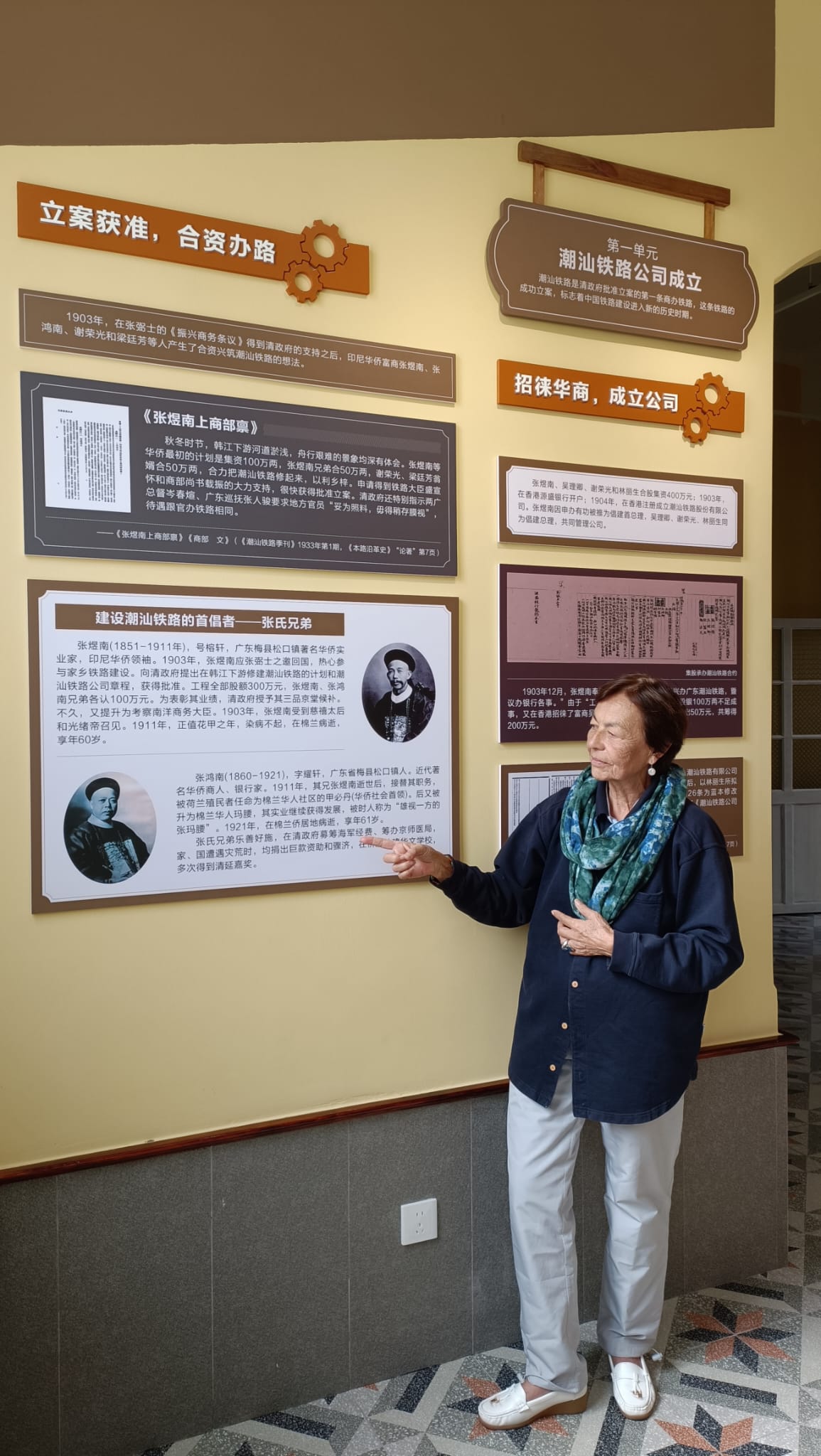
Right: Maxi poses with the Tjong brothers’ photos at the Swatow Railway Museum.
There are also stories of political intrigue from the 1920s and 30s: the railway line was apparently used at one point by Zhou Enlai, who disguised himself as a merchant to flee the Kuomintang!
To end their travels in China, Maxi and June headed back to Xiamen. They saw more photos of Tjong A Fie and Tjong Yong Hian in the Overseas Chinese Museum which was founded by Tan Kah Kee. There was also a replica of a Chinese junk; a similar one probably brought the brothers to Medan.
“This whole journey has been a full circle moment for me. To go to China and visit the places of origin of my grandfather and granduncle is the realisation of a lifelong dream. I feel equal parts Hakka, Peranakan, and European” says Maxi. “I cried at points because I have a true and deep bond with these places. There is a great sense of achievement in learning more about the Chinese side of my family.”
*
The Peranakan Magazine thanks Nyonya Maximilienne for sharing this remarkable account of rediscovering her roots. We welcome all our readers to write in and share stories of how they uncovered their roots with us.