 THE PERANAKAN
Nyonya Linda Chee explores the fascinating family background of Nyonya Maureen Koh and discovers how three roads to the east coast of Singapore are ‘connected’. All photographs courtesy of Maureen Koh unless otherwise stated. Maureen was an editorial team member of The Peranakan from 1997 to 2004 when it was a newsletter.
Koon Seng Road
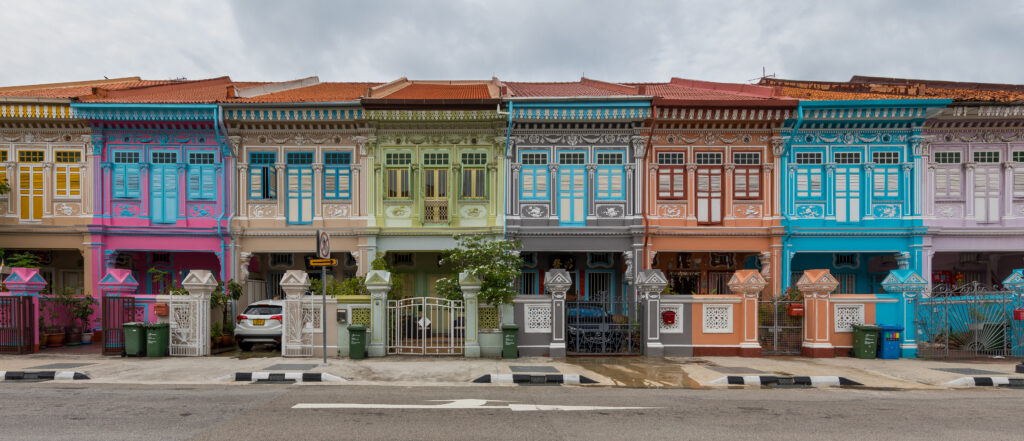
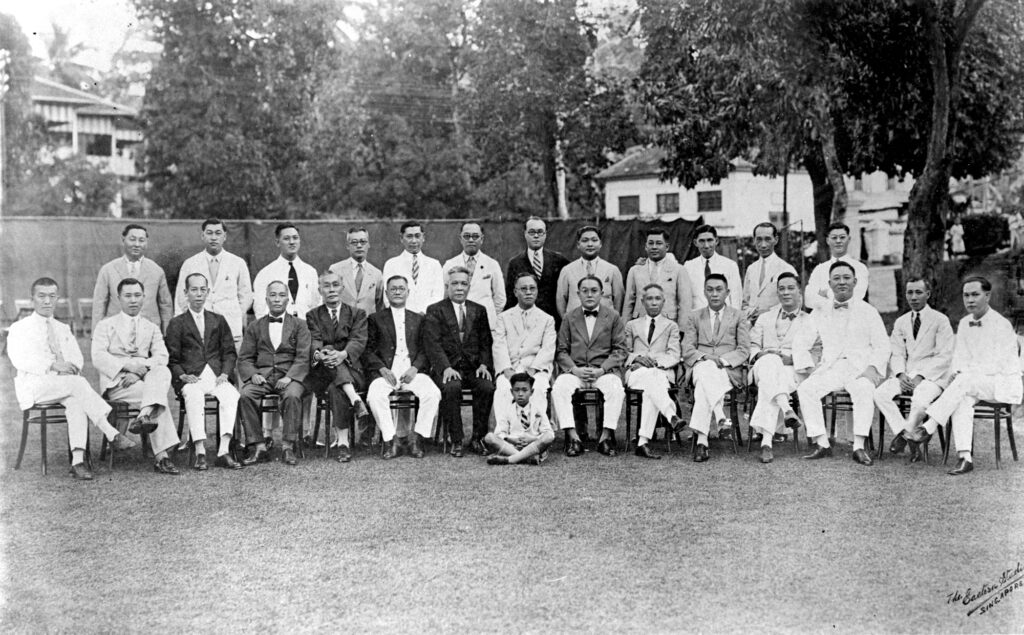
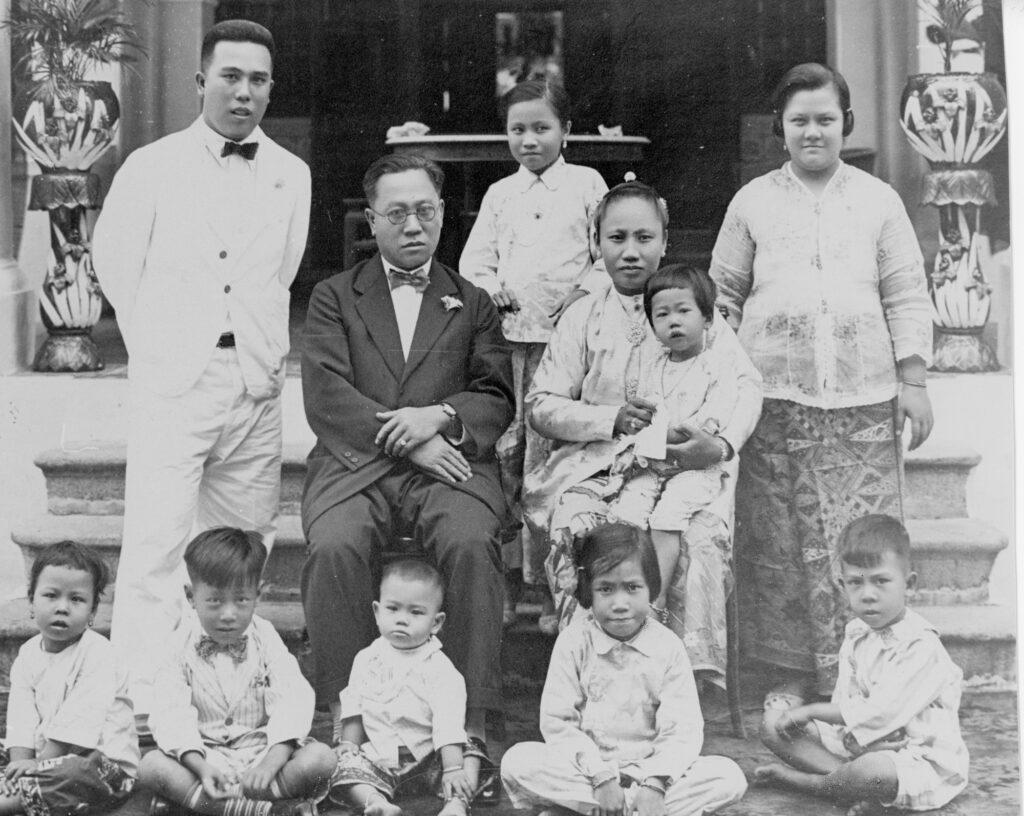
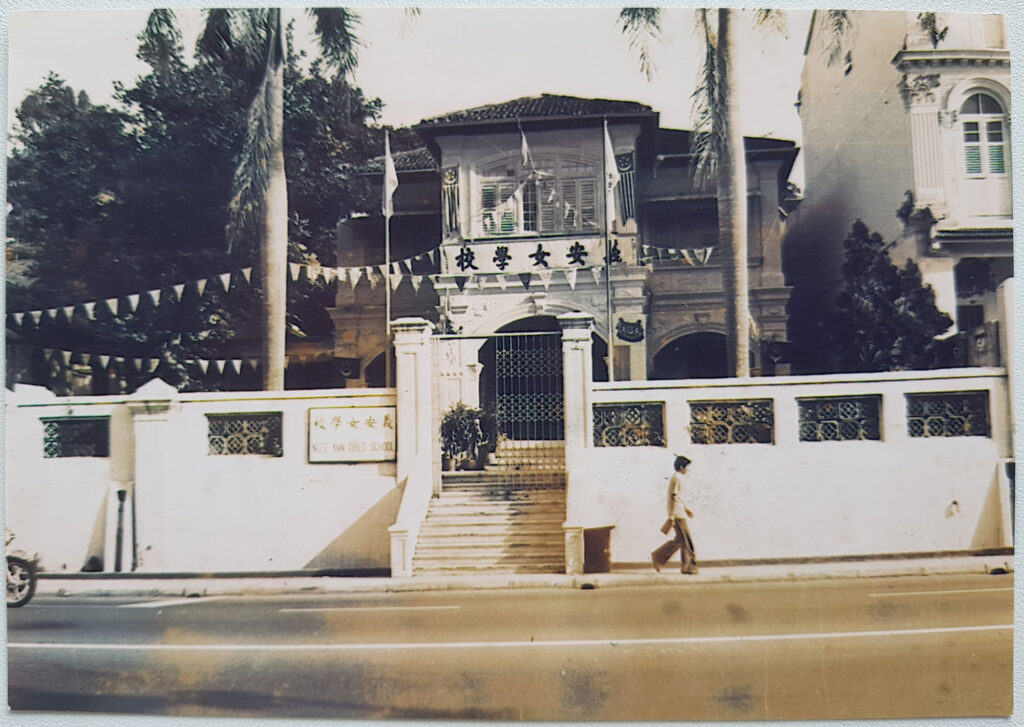
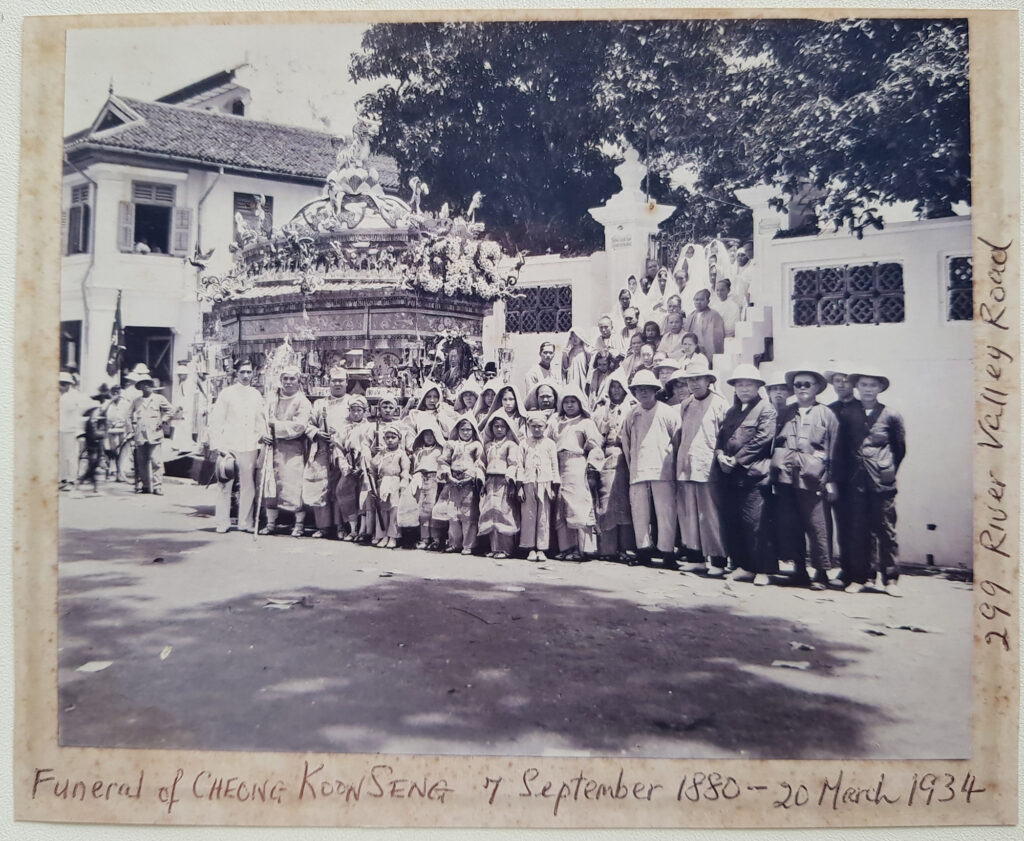
Nonya Maureen Koh’s maternal grandfather Cheong Koon Seng was born in Singapore in 1880 to Cheong Ann Bee who migrated from Melaka. He studied at Anglo-Chinese School and contributed much to ACS and MGS. His sons and all his grandsons studied at Anglo-Chinese School. Baba Koon Seng set up his auction firm, Cheong Koon Seng & Co, in Chulia Street. It was during his tenure as the president of Chinese Swimming Club from 1921 to 1934 that the Club purchased in 1925 the freehold land which it now occupies. He built the Theatre Royal at North Bridge Road as the home for the Star Opera Company, a Malay language bangsawan performing company that starred luminaries such as Khairuddin who also has a road in Opera Estate named after him. His children, as a result, attended operas, Shakespeare and classic Chinese plays in the Malay language.
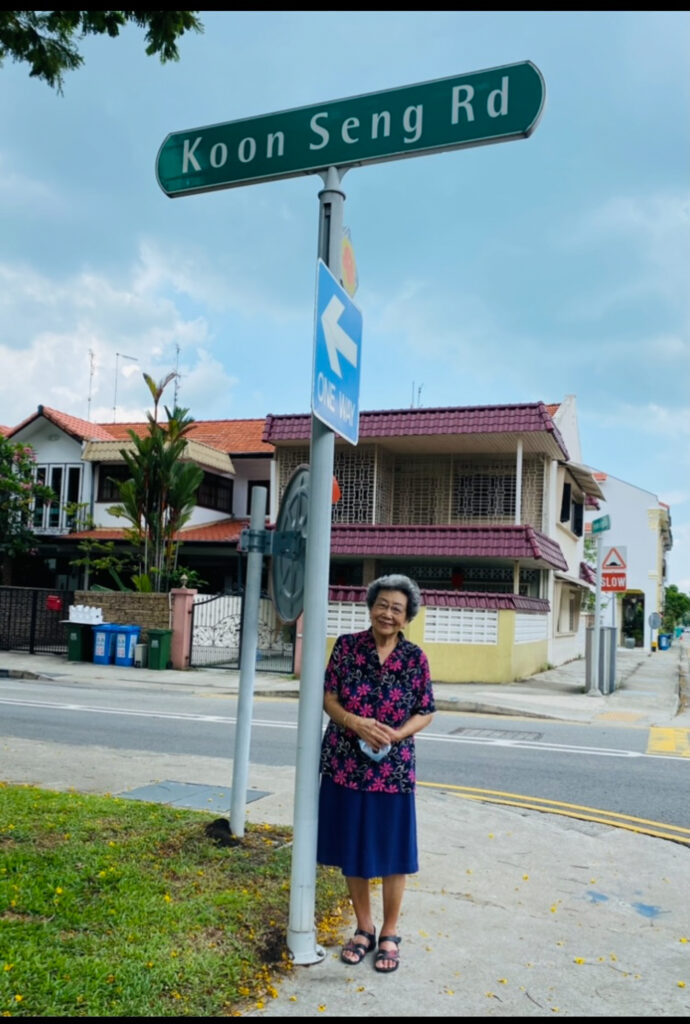
Nyonya Maureen Koh’s grandfather’s road.
Besides property in the city and East Coast, Baba Koon Seng once owned land in Upper Thomson Road that was so huge that Adelphi Park, a large landed housing estate, was later developed within it. His rumah abu or ancestral house in the area was destroyed by Japanese bombing during the invasion of Singapore. Generous to a fault, Baba Cheong bought a house at 291 River Valley Road for his sister when she was widowed. It was a few doors away from his house at 299. When her house was sold after her death, it served as a clubhouse and chapel for the Missions to Seamen.
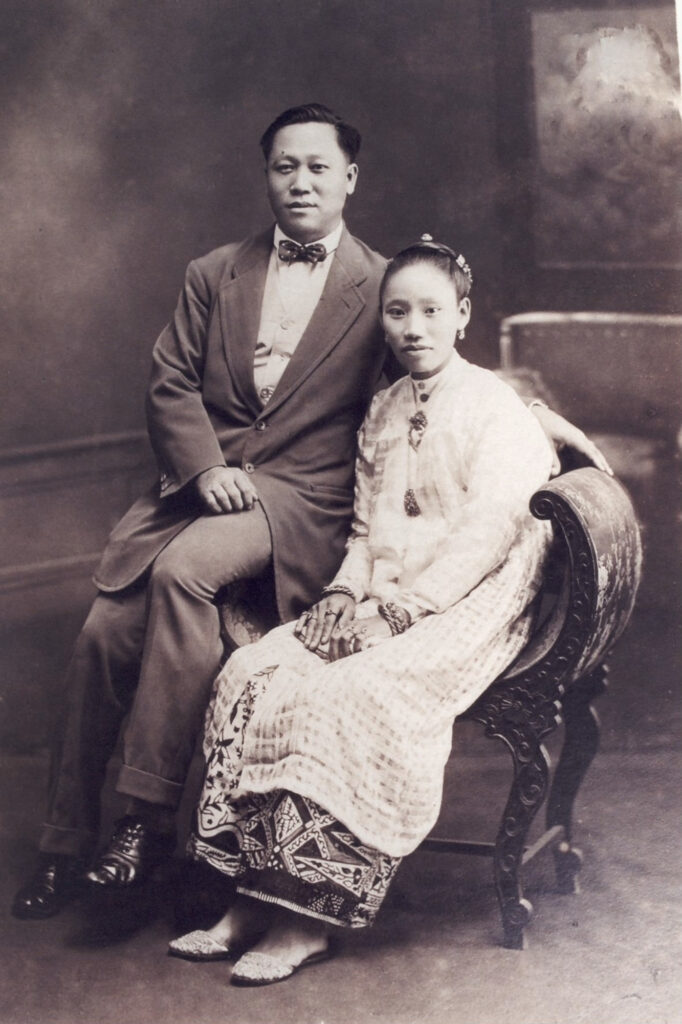
Cheong Koon Seng (1880 – 1934) married Chia Siew Tin (1896 –1953) after the death of his first wife.
Photograph courtesy of Eric Cheong, son of Cheong Hock Leng and grandson of Cheong Koon Seng.
Koh Sek Lim Road
Xilin Avenue
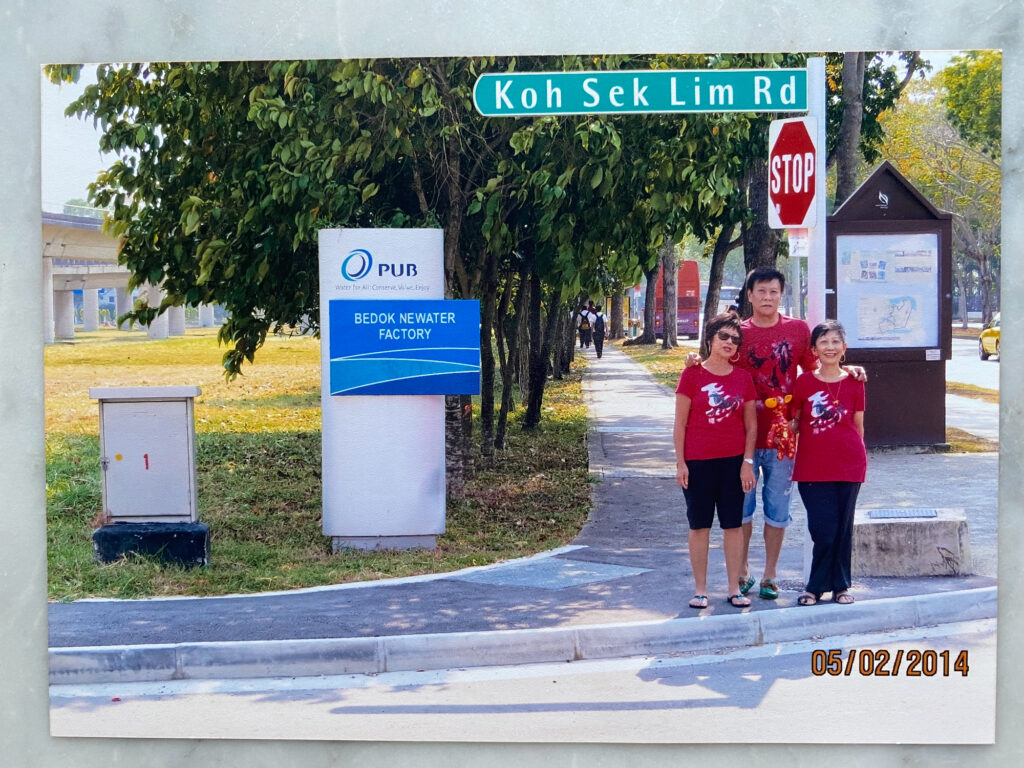
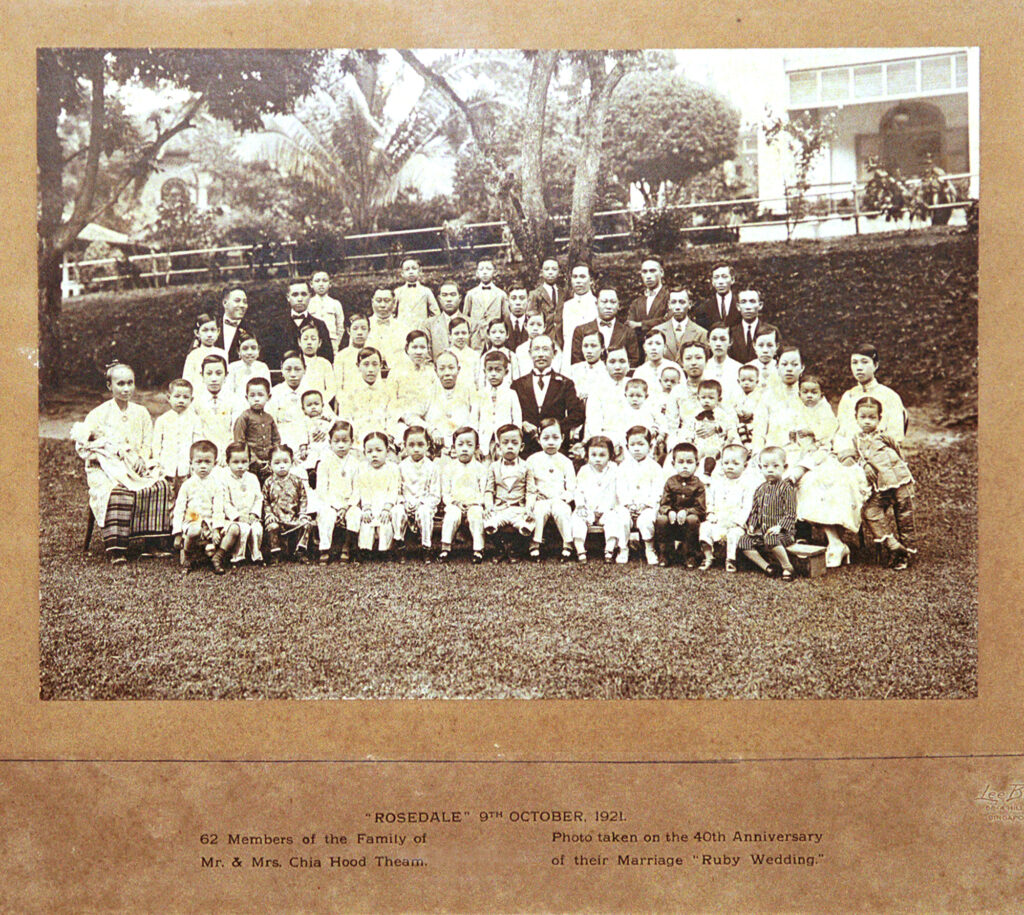
Nyonya Maureen Koh’s paternal grandfather Koh Sek Lim had five wives, 28 children and numerous grandchildren. He was known to be very frugal and stern to his children. Once the children were married, they were given their choice of land and houses along the beachfront on either side of Sungei Bedok, within his enormous estate. As a result, the Koh cousins grew up together and were close. However, education was not a virtue to him. Sons had to stop their studies early to help out in the estate. Daughters did not attend school and some struggled financially all their lives after they were married off.
Baba Sek Lim must have also given a meagre allowance to his second wife, Chua Kim Lian, who bore him the most children – four sons and six daughters. As a schoolboy, her son Baba Kong Hai went around the neighbourhood to sell kueh which she made to supplement her income. Once, he placed the basket of kueh on a rock and ran off to play. The rising tide splashed over the kueh, which he dried off and sold them anyway. The complaints poured in to his mother. “Asin skali!”
Baba Sek Lim’s Christian funeral was an elaborate affair that even had stilt walkers performing. A large marble winged angel stood protectively over his grave in the Bidadari Cemetery that has since given way to development. Like the long drawn out wills of many wealthy men of the era, his estate could only be sold or divided 21 years after the death of the last of his issue. The land now includes Chempaka Kuning, Chempaka Puteh and the Bedok Market Place – land that has been leased on tenure to private developers which, after expiry, will revert to his estate. The estate has about 70 beneficiaries at present.
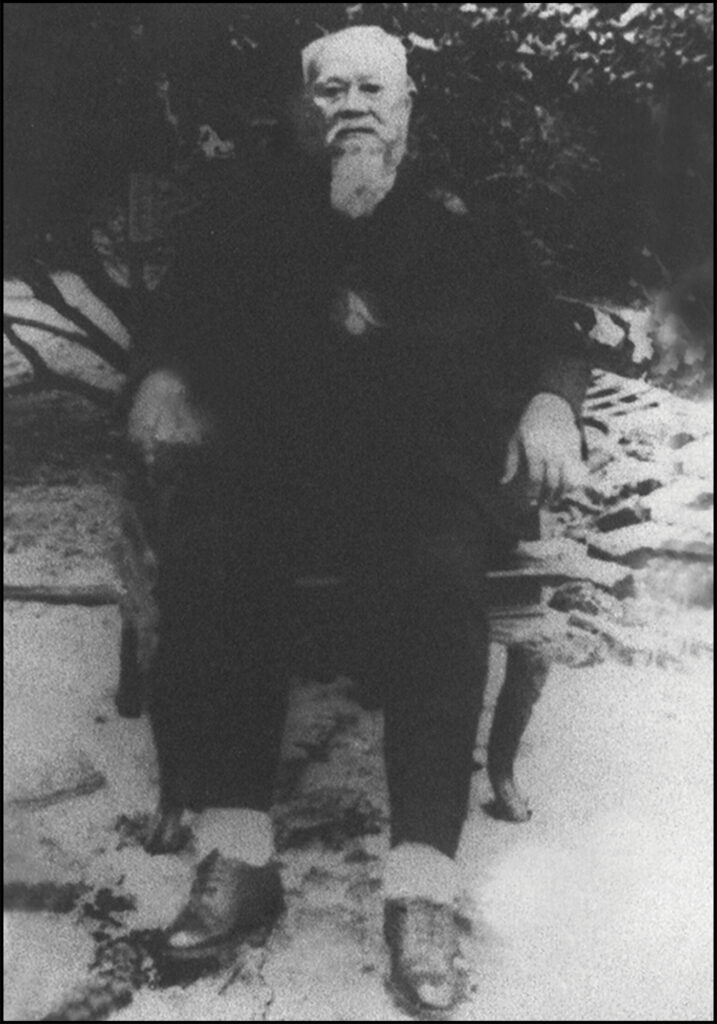
Koh Sek Lim (1864 – 1948) Two roads in Singapore are named after him: Koh Sek Lim Road and Xilin Avenue, the pinyin transliteration of Sek Lim.
Baba Sek Lim (1864 – 1948) was a Hokkien merchant who came to Singapore from Malacca at a very young age. He was an auctioneer with offices at 3 Malacca Street and 20 Raffles Place. The self-made businessman built his wealth through tin mines, coconut plantations and property rentals. He inspected his vast plantations on a sedan chair carried by coolies. After his death, part of his property in Bedok was leased in the early 1950s for sand-mining to support Singapore’s burgeoning building industry.
His estate stretched along the east coast from the start of Bedok Road all the way inland to Old Upper Changi Road. It included much of Padang Terbakar near the first hole at the Laguna golf course; Somapah, at the site of the NeWater plant, the Singapore EXPO and the Singapore University of Technology and Design; Changi and Simpang Bedok. He also owned land in the Gulega Road area and in Jalan Senang. These areas were compulsorily acquired by the government under the Land Acquisition Act.
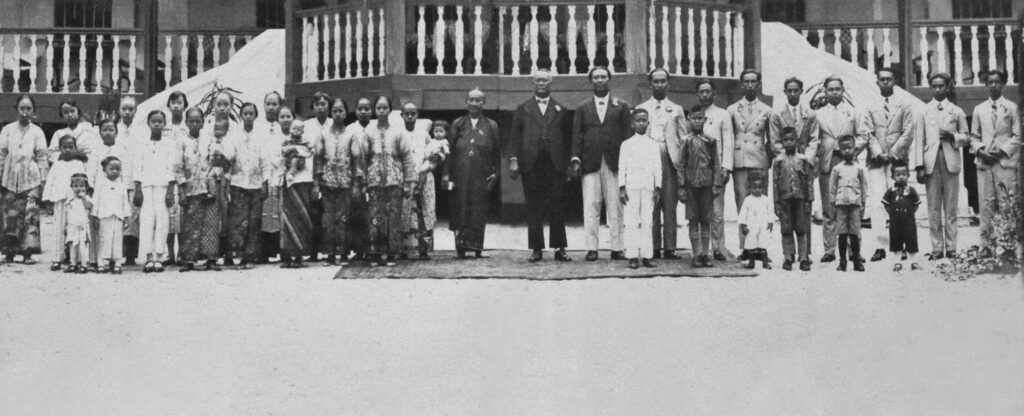
Katong Vibes
Idyllic beachfront living…
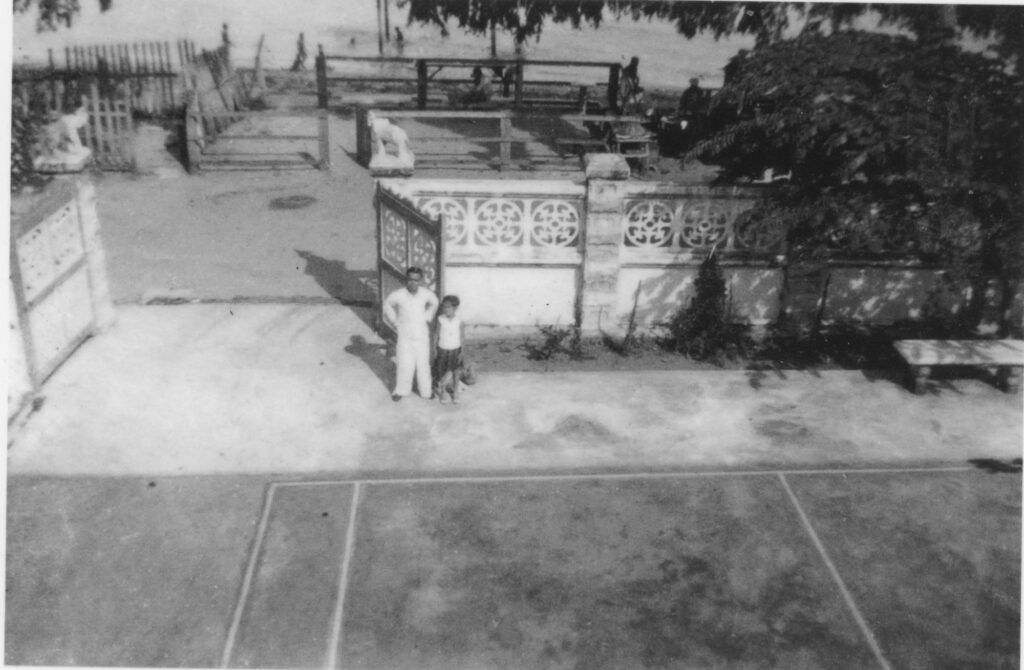
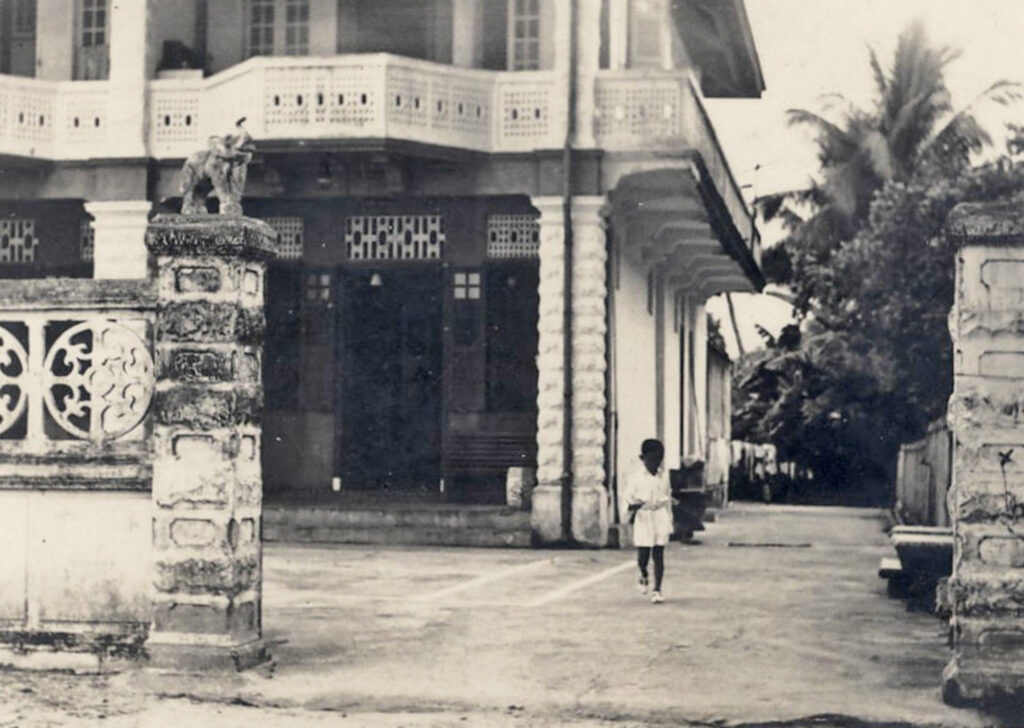
Koh Kong Hai (left) and Cheong Hock Leng.
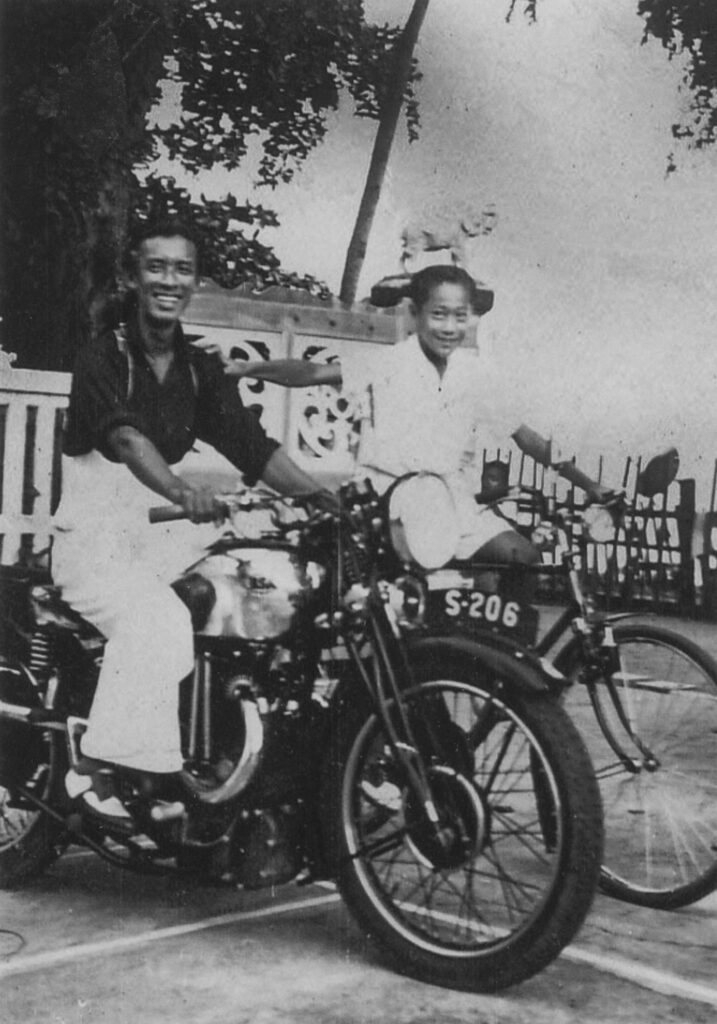
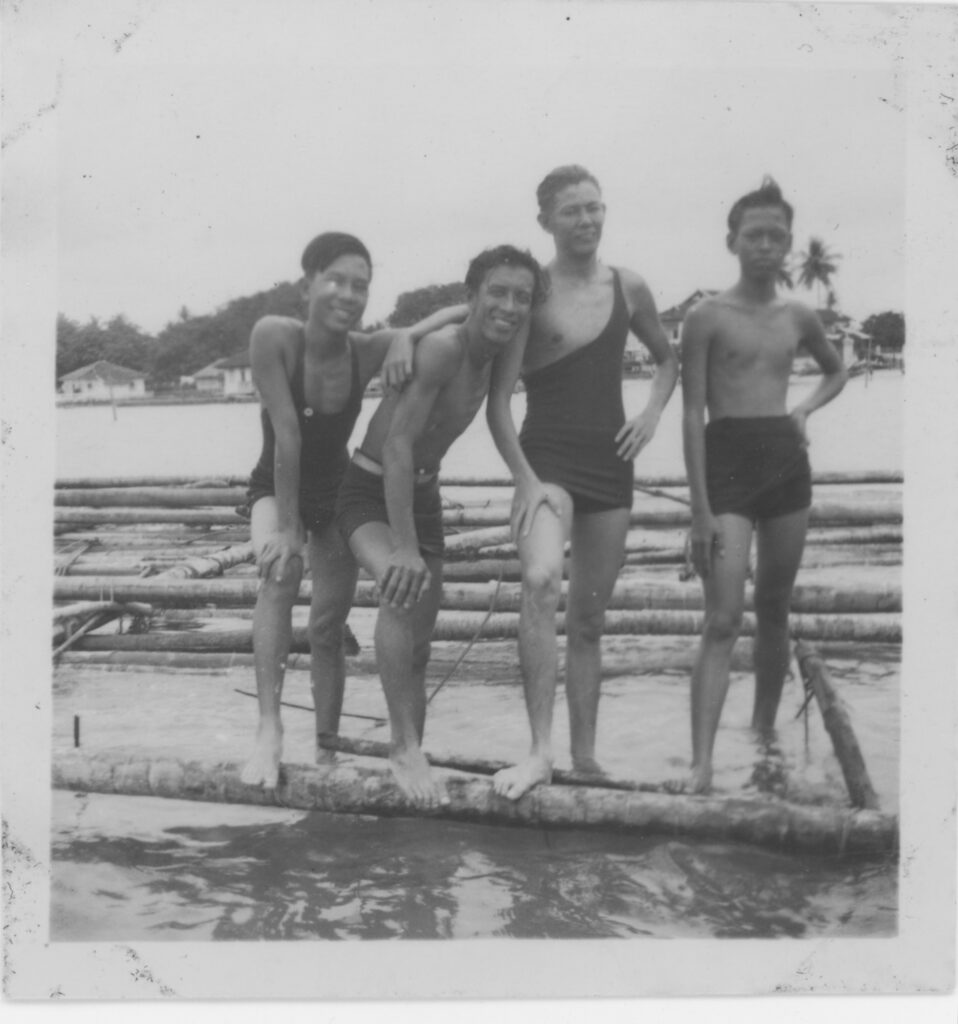
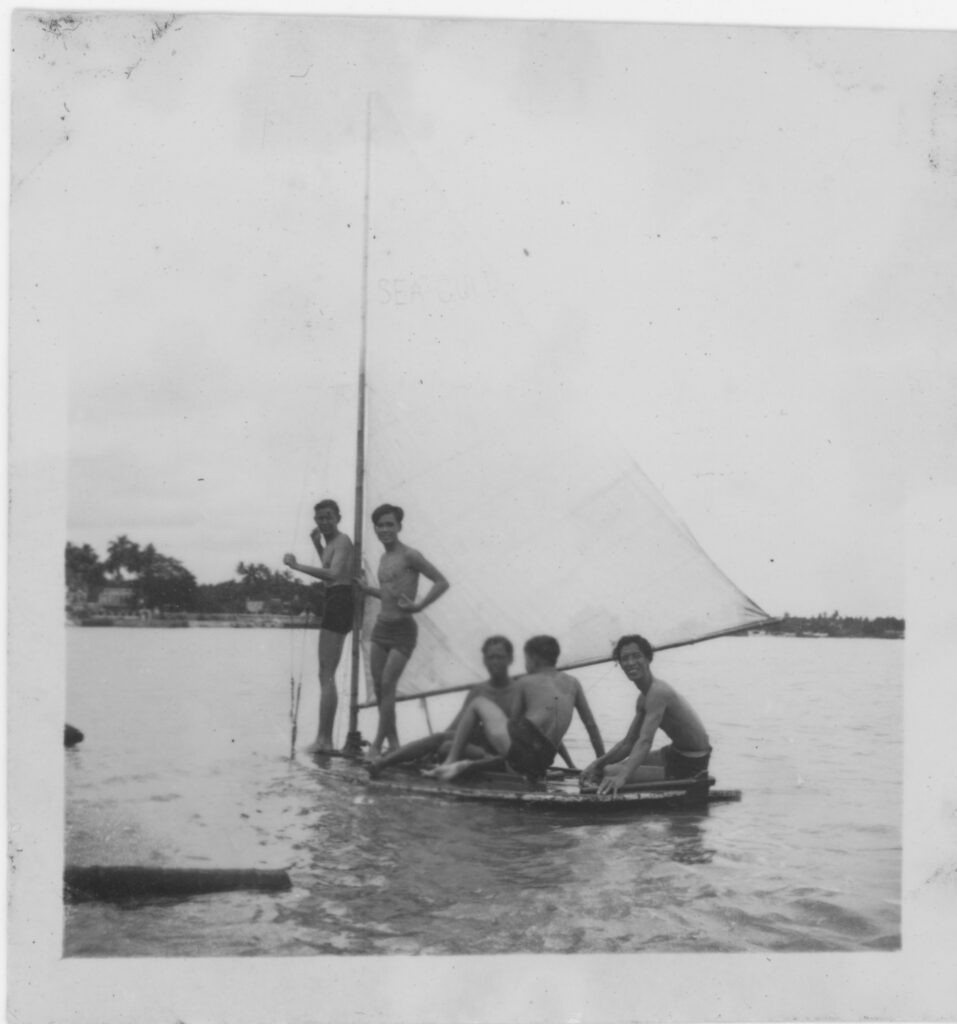
Beachfront living in Katong was very much carefree and idyllic for Maureen’s father, Koh Kong Hai, the sixth son of Koh Sek Lim. Educated at St Andrew’s School, he spent so much time with sun, sea and sand that when he began courting Cheong Keong Tuan, he was not initially welcomed by her mother. She thought he was Indian!
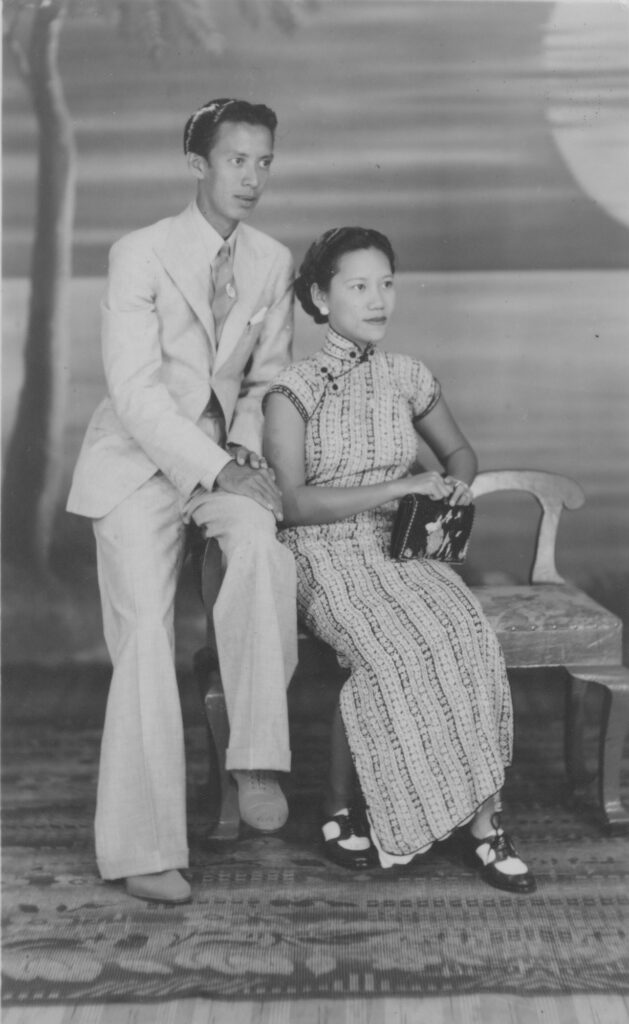
1940: Baba Kong Hai married Nyonya Cheong Keong Tuan, the sporty, outgoing daughter of Baba Cheong Koon Seng. He was 30 and she was just 19.
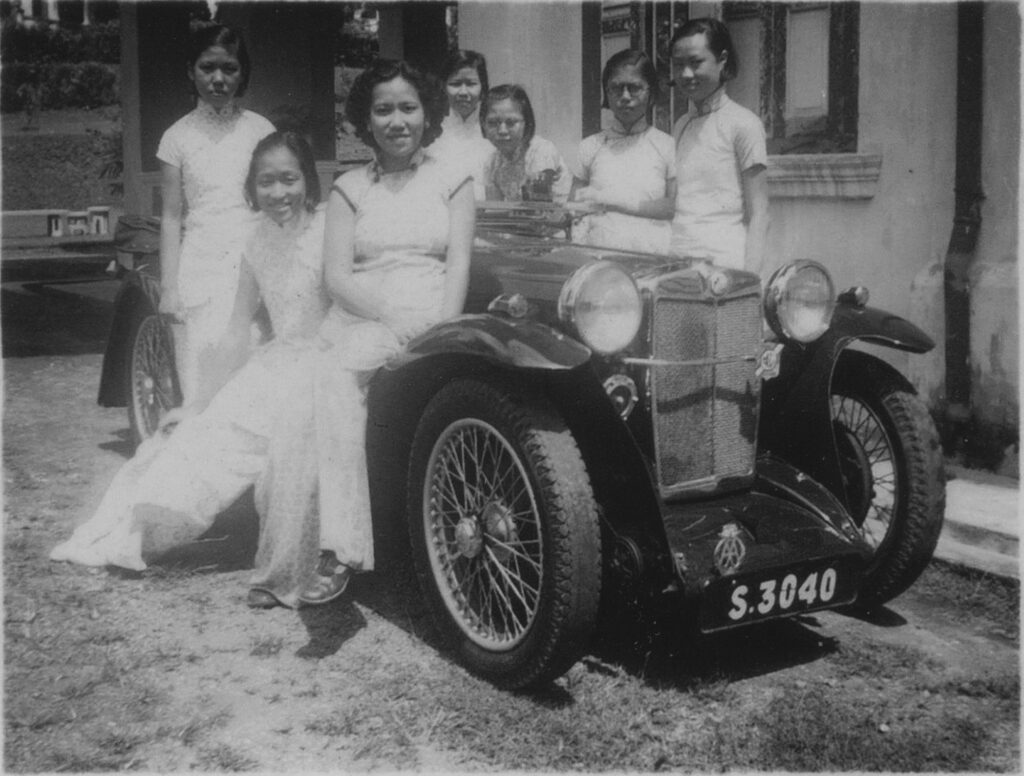
Kong Hai and his wife briefly lived at 157 Marine Parade after marriage and during the Japanese Occupation. Keong Tuan’s mother, Chia Siew Tin, lived next door at 159. They were a swinging couple who could be seen zipping around town in his red MG sports convertible. She was educated at MGS and became a schoolteacher at Katong Convent. He worked in a clerical position in the British Administration until his retirement after World War II. Gentle and musically inclined, he was part of the Merrilads, an all-male performing group of baba musicians and actors.
Nyonya Cheong Keong Tuan is seen sitting in front, on Kong Hai’s red MG sports convertible.
The War Years (1942 – 1945)
…. marred by three traumatic years of wartime turmoil
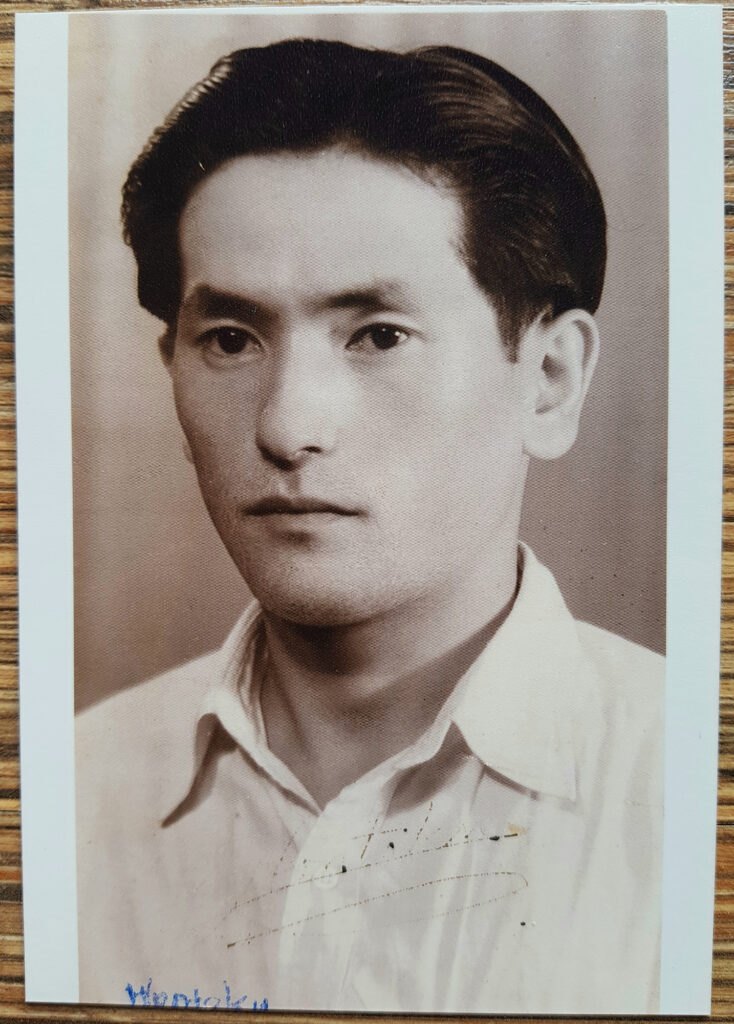
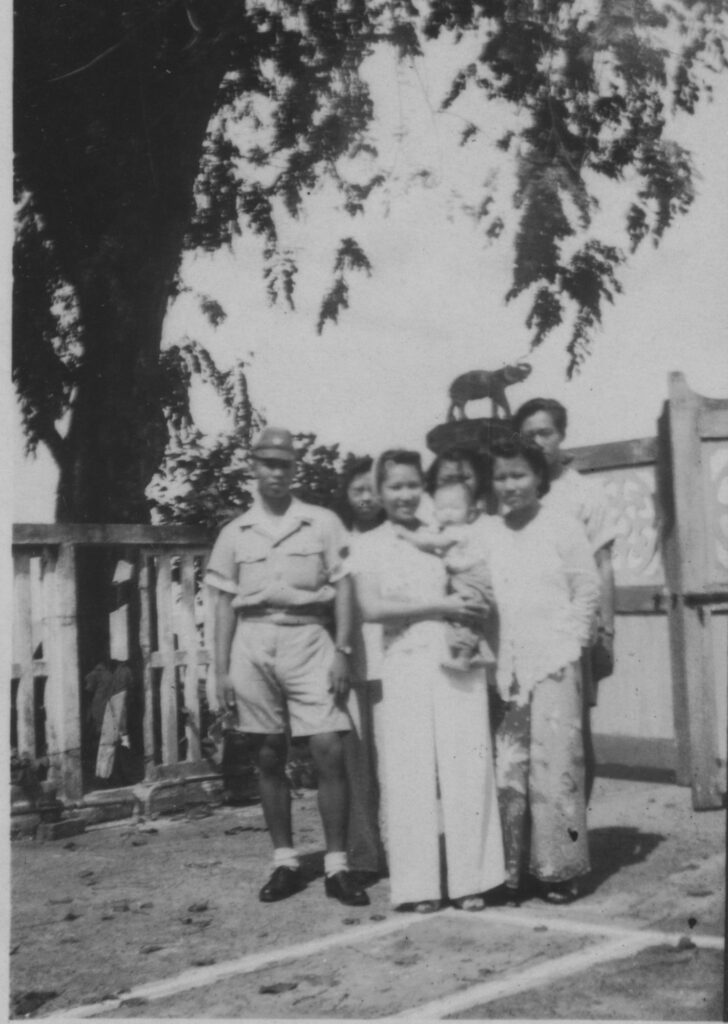
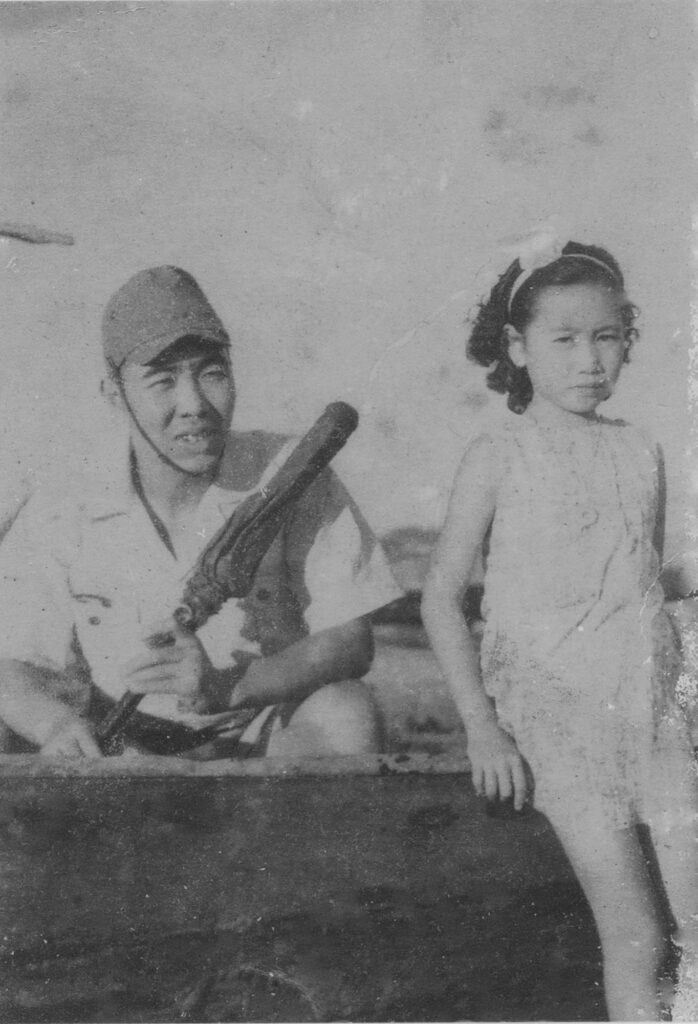
1944: Unoki-san with Joyce Cheong, the youngest daughter of Baba Koon Seng. He was a high-ranking Japanese officer who had taken a liking to young Joyce, daughter of Baba Koon Seng. He once whisked her off for a drive in his sports car. Her mother was so relieved when she returned safely that she rushed to the back door with joss sticks in her hands clasped in thanksgiving to Tua Pek Kong. Joyce has just turned a fit and spry 88 years this year.
The three traumatic years of Japanese Occupation claimed the lives of many young men including several of Maureen’s uncles. She remembers: “It is generally accepted that the brutality inflicted on the civilian population was committed by the common soldiers who were by and large …. crude and uncouth, cruel and murderous. But tales have been told of gentlemen officers who were respectful and even friendly towards the local population.” One of them was Suzuki-san. The other was Kametaro Hontoku, a handsome and gentle, well-bred man who visited with gifts of food.
Maureen was born during the Occupation. Nyonya Keong Tuan traded her kerosangs and other jewellery for milk powder to feed Maureen as a baby. “She said I ‘ate up’ all her jewellery.” They grew tapioca and reared chickens. “We survived any way we could. Dad cycled around Katong with eggs to sell. I was often asleep on the handlebars.”
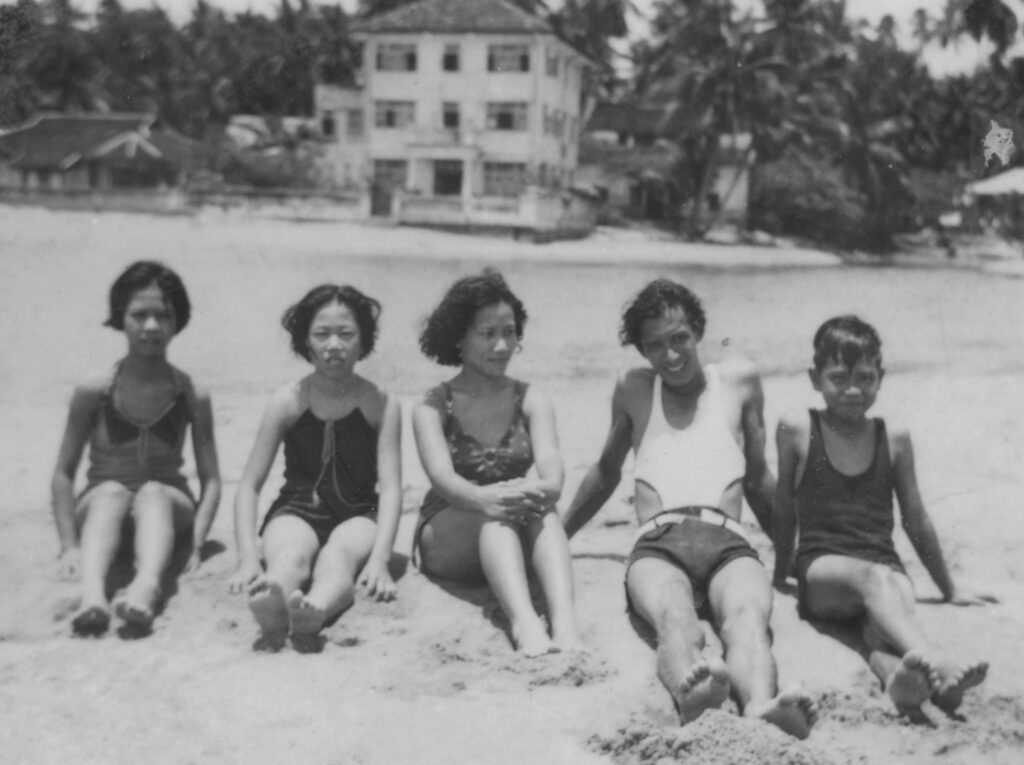
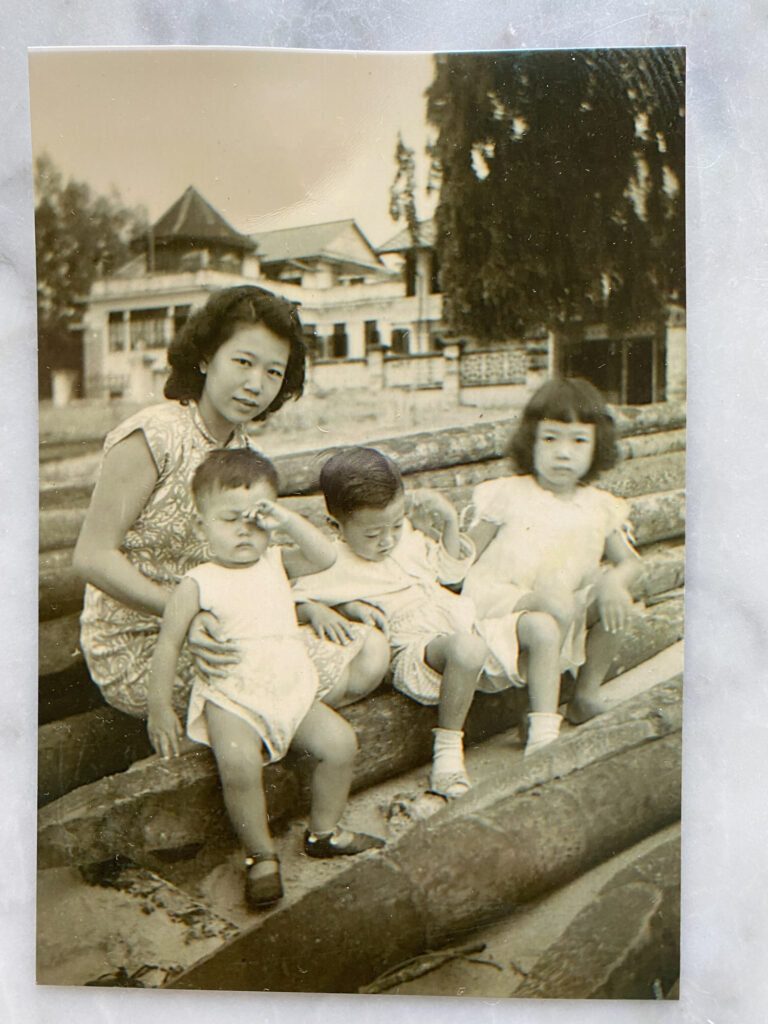
Maureen’s third aunt at the beach in front of 157/159 Marine Parade with her children. Local fishermen used to beach their sampans or boats overnight. They are sitting on nibong poles, which were used as kelong stakes. The house behind, at top left, is where the then-Tung Ling English School used to be, now the Church of Singapore. During the Occupation it was used as the Japanese Officers Club. Today, Parkway Parade would be opposite, on reclaimed land where the beach used to be.
Post-War Life
Growing up in peacetime Singapore
After the war was over, Baba Kong Hai moved his family to a semi-detached house at 29 Kuo Chuan Avenue which is still there. He devoted his time to family. He loved driving and motorbiking but had a fear of flying: “If the ship capsizes, I can try to swim for shore. But if the plane goes down, I cannot fly!” Apart from the air shows, he would not go near the winged steel beasts, recalls Maureen. They went on frequent driving trips to Malaysia.
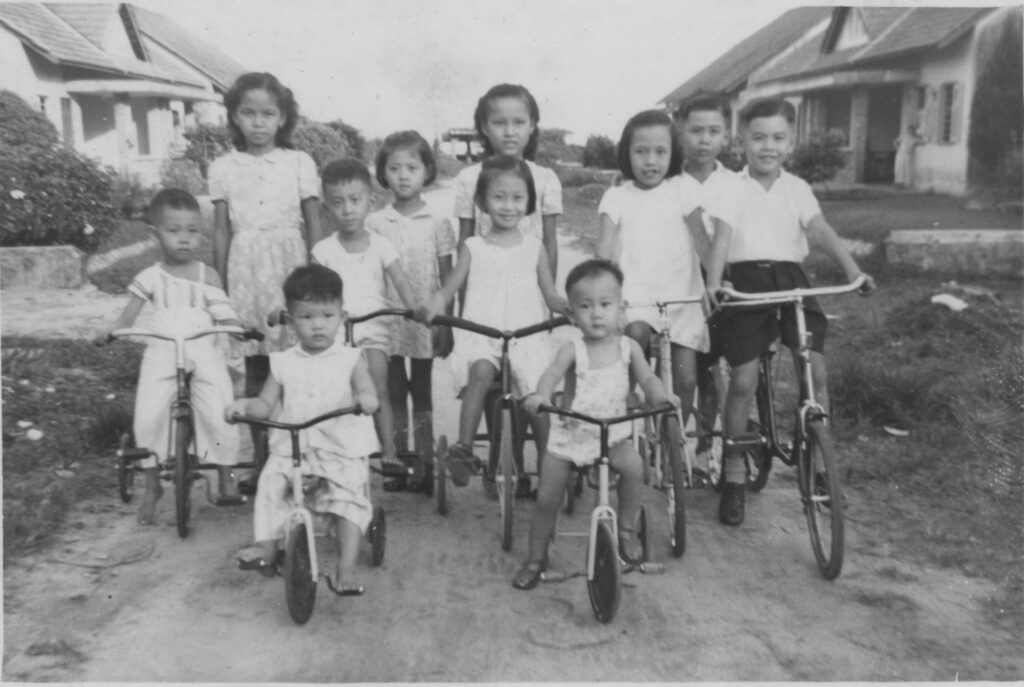
Young children then wore clothes mostly sewn by their mothers. Many played barefooted on the dirt tracks before asphalt roads were built. Maureen says, “There was plenty of space to run around. If anyone found a trail of red ants or semot api or kerengga, old newspapers were twisted into scrolls and set alight to burn the ants right up to their nests!” In large families, when one child was caned or kena rotan, the rest would be punished equally. “It was a strange kind of justice.”
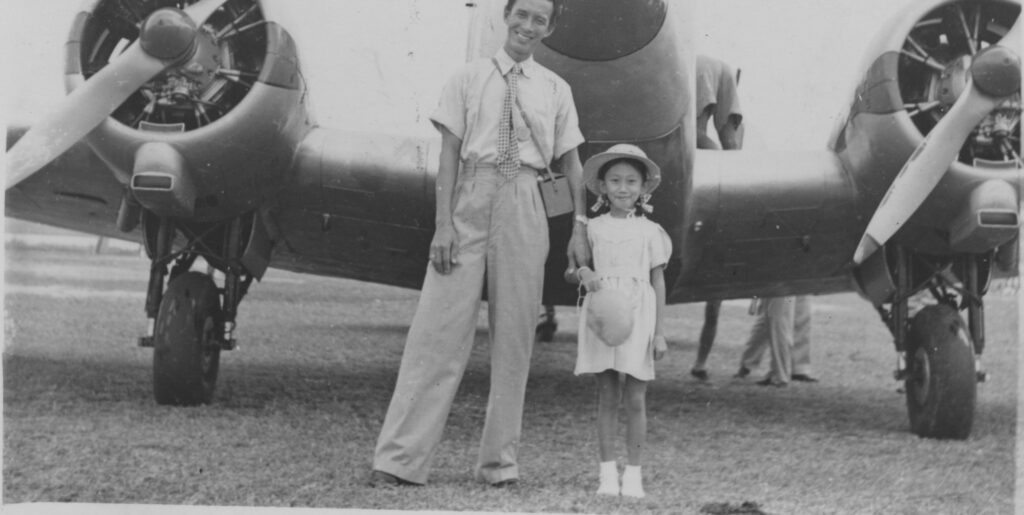
1951: An older Joyce Cheong, 17, at the dirt road outside the Marine Parade home. The building (at top left) was a fisherman’s pier at the beach end of Joo Chiat Road, where sampans were beached. At night when the lights turned on, the pier became one of the earliest open-air hawker centres in Singapore, where Katongites would converge to glut out on fried noodles, chee-ham, rojak, satay chelop. Republic Cinema was later built there on reclaimed land and subsequently demolished to make way for other developments.
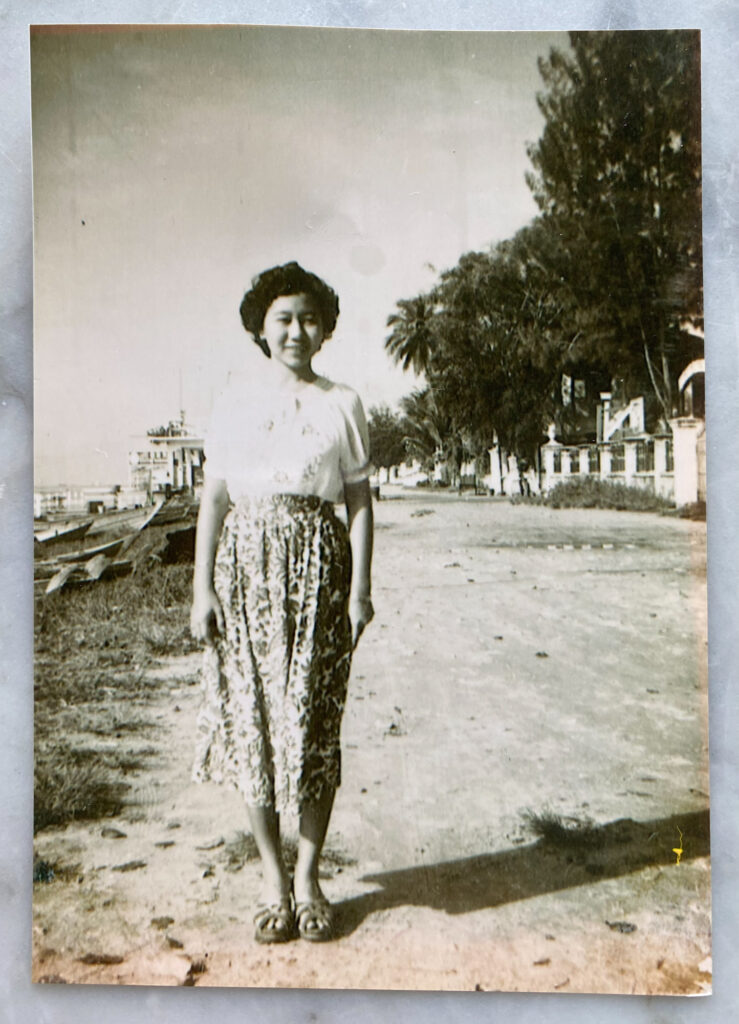
As a little girl, Maureen remembers walking out to the beach and collecting remis and other edible shellfish at low tide. The beach was often the site for filming local Malay language films produced by Cathay Keris Studios at Jalan Buloh Perindu, now the site of the Ocean Park condominium and landed houses. She had a front row preview of the filming of the latest Malay movie from the verandah of 159 Marine Parade: “The glamorous stars like P Ramlee and Saloma would be acting out their seaside courtship right before our eyes. The best part was watching the movie itself in the cinema and hoping to catch a glimpse of ourselves in the film.” Roxy cinema in Katong screened Malay movies without subtitles. “Who needed words to be scared out of our wits by the long-haired Pontianak?”
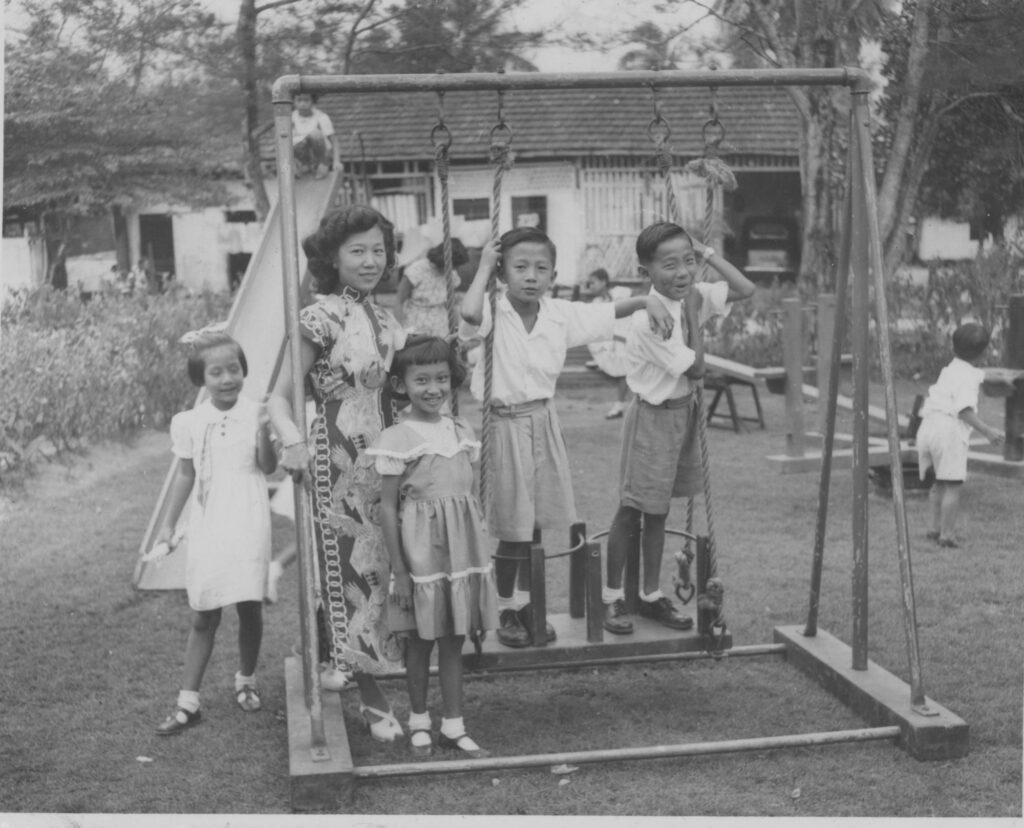
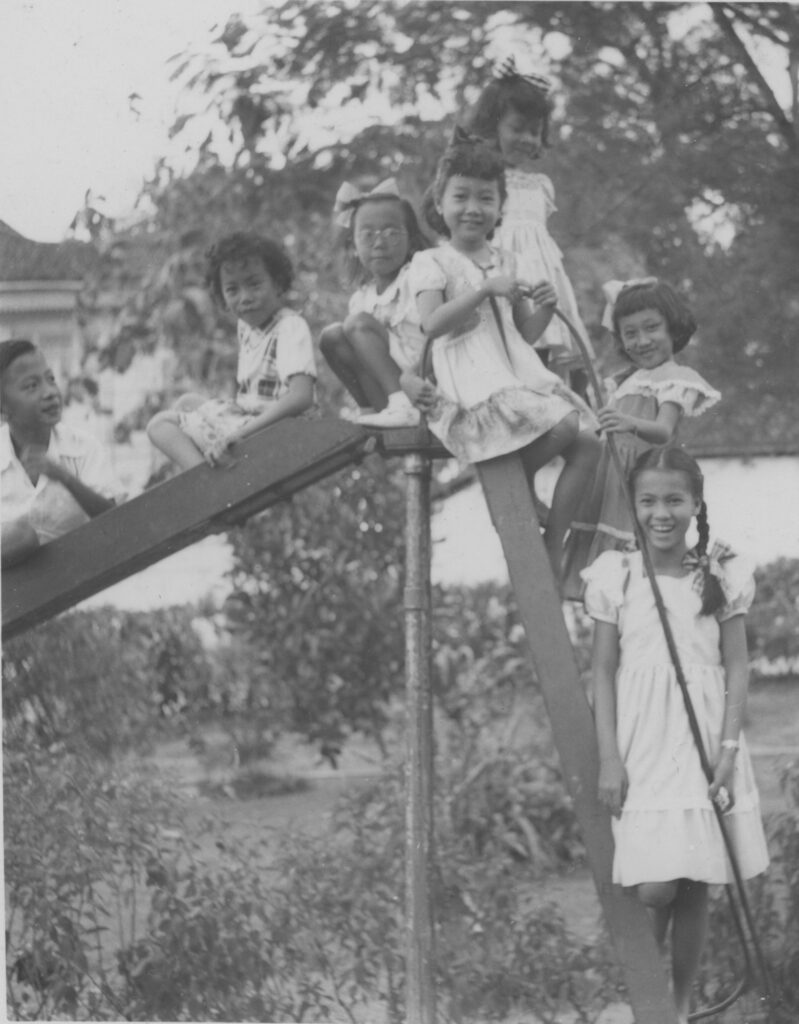
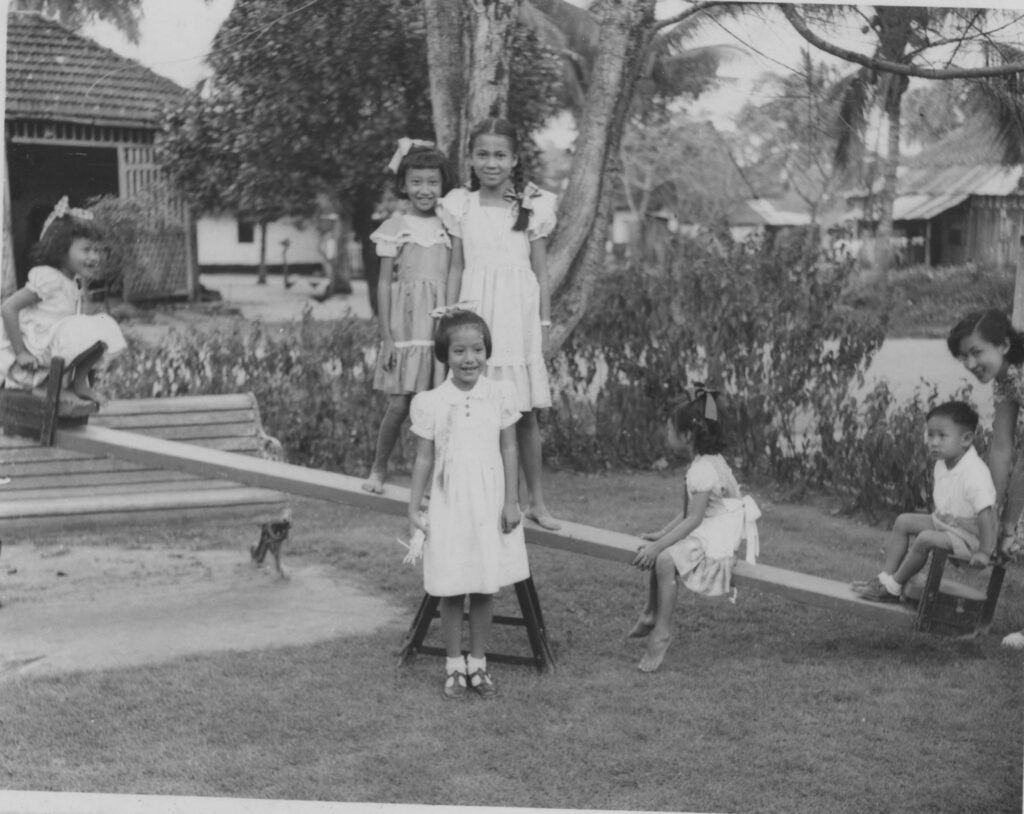
Playground equipment after the War was made of metal and “the slides were the tallest ever.” If it rained earlier “I had to be prepared to jump off before landing in the muddy puddle at the bottom”. “The swings were exhilarating, plank seats attached to iron chains. If one was pushed hard enough, one could literally fly up to an almost horizontal position.”