 THE PERANAKAN
Baba Emeric Lau is enraptured by the myriad rhymes and songs lovingly recorded and translated in Peranakan Folk Songs & Rhymes by Baba Matthew Lloyd Tan.
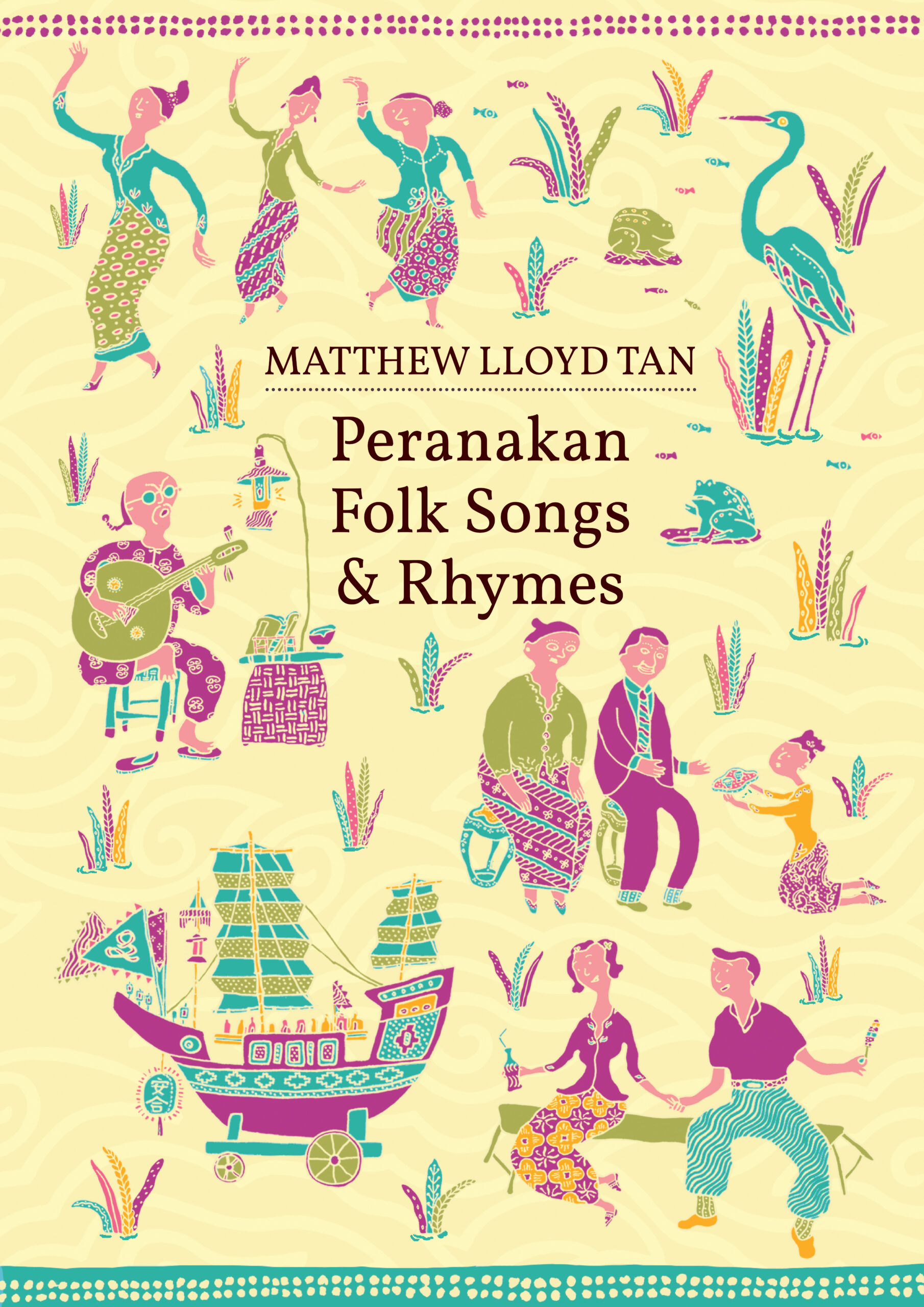
Peranakan Folk Songs & Rhymes by Matthew Lloyd Tan is, at heart, a tender act of preservation. The book is deeply personal, sparked by Tan hearing his mother, Doreen Ong, singing traditional rhymes to her first great-granddaughter, Vivienne Yeoh. From that scene emerged a quiet urgency—the recognition that these fragile, melodic threads of heritage might easily fade if left unrecorded.
What makes this collection particularly significant is precisely that fragility. These songs and rhymes were, for the most part, never formally written down; they lived and evolved through oral transmission across generations. In documenting them, Tan is safeguarding our culture. He captures not just lyrics, but rhythms, tonalities, and nuances that belong to a shared Peranakan heritage spanning Singapore, Malaysia, and Indonesia. The result is a body of work that reflects both geographical spread and cultural cohesion.
These rhymes are deceptively simple. Through repetition and melody, they encode values, social norms, humour, and even subtle moral instruction. Like many folk traditions, they function as cultural carriers—embedding lessons in forms that are easily remembered and passed on. In this sense, the book reminds us that culture is largely transmitted not through formal education, but through lullabies, play songs, and everyday speech.
Ah mah t’ng
Ah mah tay
Ah mah thau jiak ang ku kueh
Ang ku kueh sio sio
Jiak liau tiok beh pio
Grandmother tall
Grandmother short
Grandmother steals red tortoise cake
Red hot tortoise cake
Eat it and win the stake

Tan’s approach is refreshingly unpretentious. This is not an academic thesis, nor does it attempt to position itself as one. Yet within its accessible and straightforward presentation lies a wealth of insight into the beliefs, lifestyles, and especially the domestic world of the Baba Nyonya community. One begins to glimpse the textures of home life—child-rearing practices, humour, relationships, and even the cadence of daily speech.
The organic nature of oral tradition also reveals itself in the variations documented. The inclusion of three distinct versions of “Tepok Ramay Ramay” is particularly telling; it underscores how these rhymes are living entities, shaped by time, place, and memory. There is no single “correct” version—only evolving interpretations.
Several thoughtful touches elevate the book further. The English translations are especially commendable; rather than offering literal renditions, they preserve cadence and rhyme, allowing non-Baba Malay readers to experience something close to the musicality of the originals. The inclusion of a “Rude Rhymes” section is both surprising and delightful, offering a glimpse into a time before modern sensibilities imposed political correctness on expression. The QR codes linking to audio recordings add an important sensory dimension, incorporating voice and performance to static text. The collection also spans generations, featuring not only traditional material but more contemporary compositions by Dick Lee and Alvin Oon, reinforcing the idea that this tradition continues to evolve.
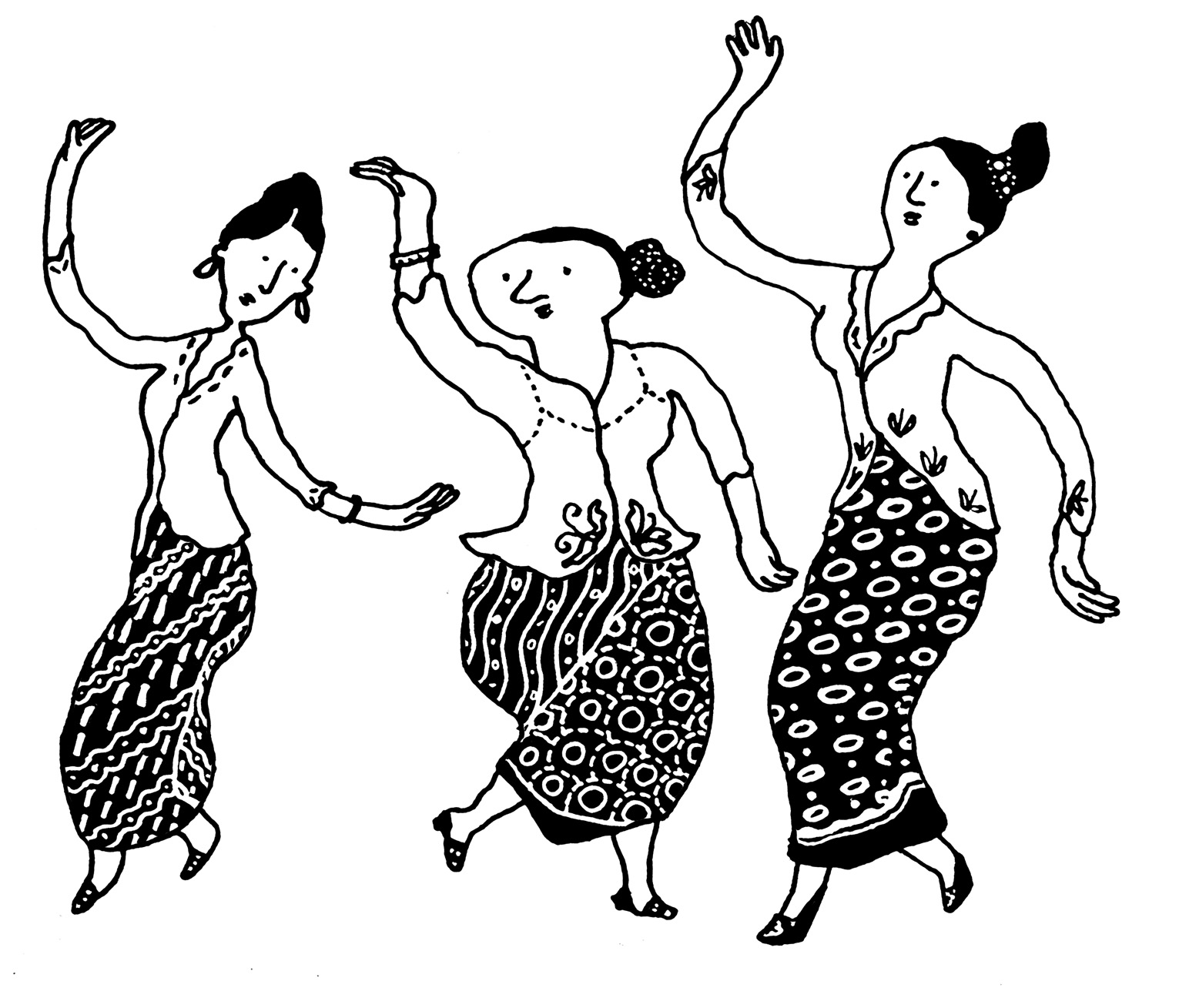
Ultimately, the book leaves one with a sense of cautious optimism. In an age dominated by digital immediacy, it is easy to assume that such practices will disappear. Yet there are signs to the contrary. Many younger people today—particularly Gen Z—show a growing fascination with pre-digital ways of life, including heritage, craft, and oral traditions. It is not difficult to imagine these rhymes finding new life, perhaps in unexpected contexts, sung once again by future generations.
In preserving these verses, Tan has ensured that they are no longer at risk of being lost. More importantly, he has created a bridge—between generations, between past and present, and between memory and continuity.
Peranakan Folk Songs & Rhymes is available at Kinokuniya online and in brick-and-mortar bookstores across Singapore.
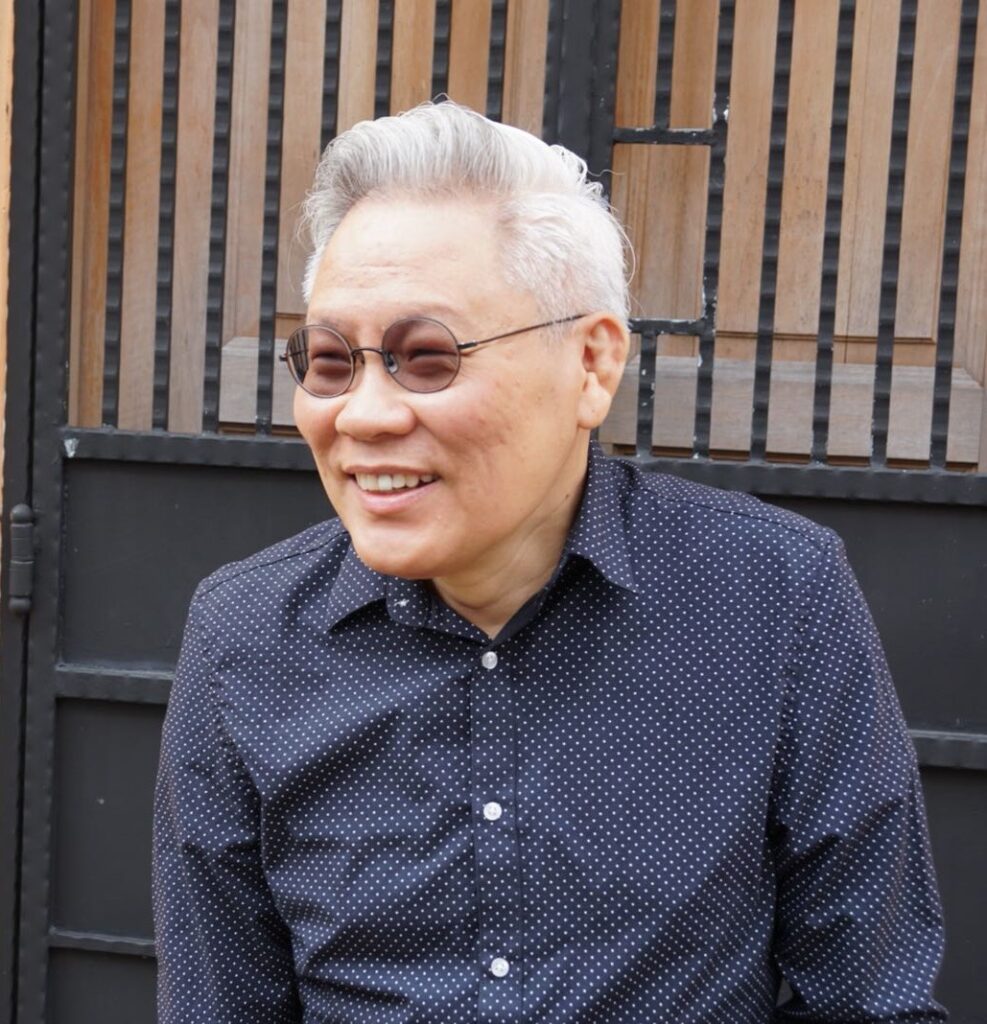
Lloyd Matthew Tan is an active contributor in the forefront of the Peranakan revival, in particular in the area of baba nonya cuisine. His two cookbooks, Daily Nonya Dishes and More Daily Nonya Dishes ensure the transmission of loak embok embok, the largely forgotten everyday foo cooked and eaten in Peranakan households of the past. Writing Peranakan Folk Songs and Rhymes is his way to help preserve powertul vehicles of being Peranakan that hitherto was passed on orally.