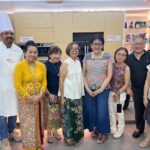
 Noreen Chan
Nyonya Noreen Chan delves into the delights of braised pork
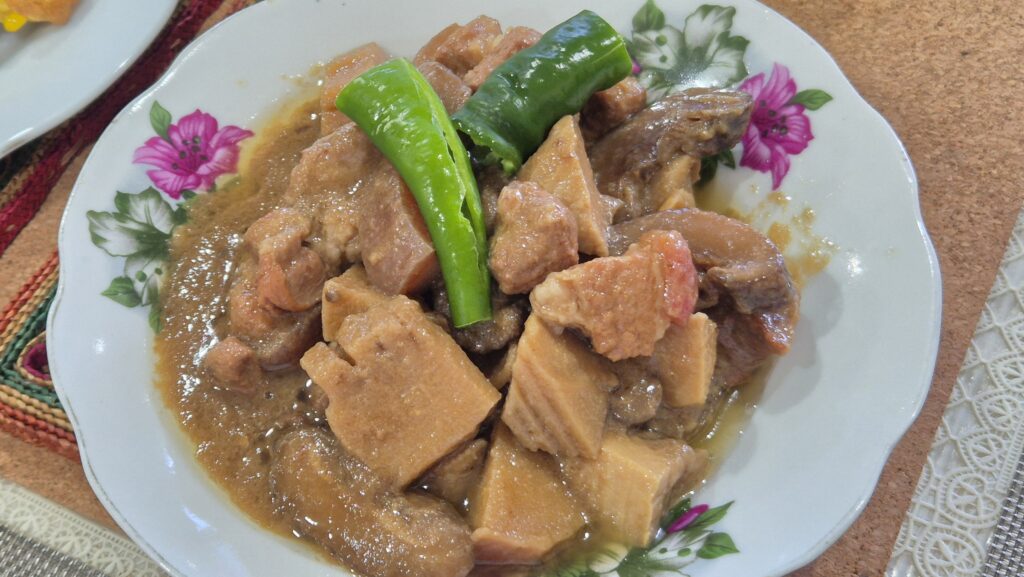
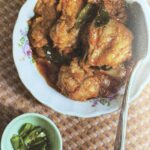
Babi Pongtay (or Pongteh) is, at first glance, a simple dish of braised pork stew with taucheo (preserved soybean paste), but on further exploration, it is so much more than that. It clearly has Chinese roots, but is also definitively Peranakan. It can be served as laok hari hari (everyday dish), or for a celebratory occasion, or as a prayer offering (typically for sembahyang abu or ancestor worship).
Taucheo (also tauco or tau cheo) is salted fermented soybeans, originating from China but now known throughout Southeast Asia. Sold in jars as whole beans or paste, it is used in various Peranakan dishes, often without people realising its presence. Examples include nyonya-style popiah filling and ikan chuan chuan. Many people are unaware that a little gives Singapore’s signature chilli crab sauce its umami kick!
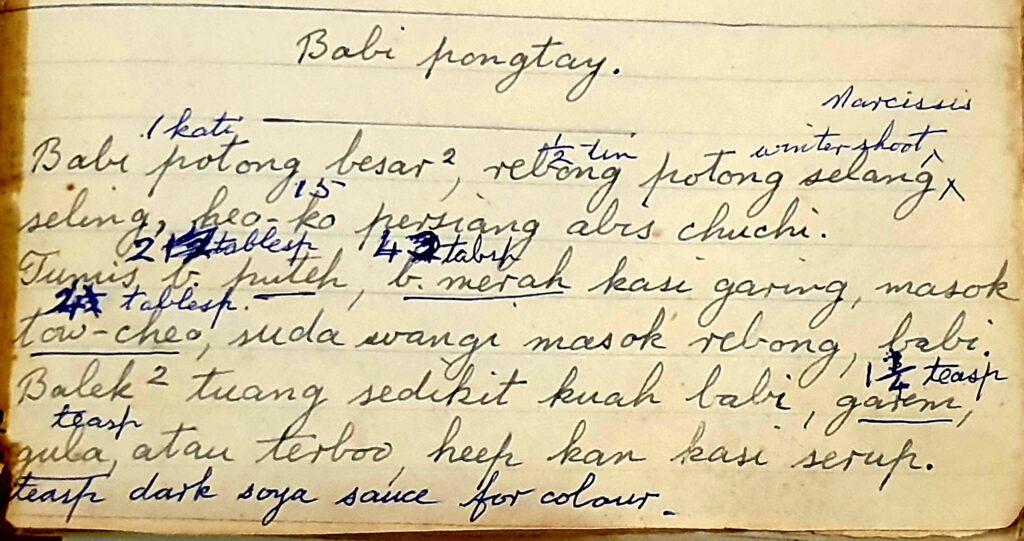
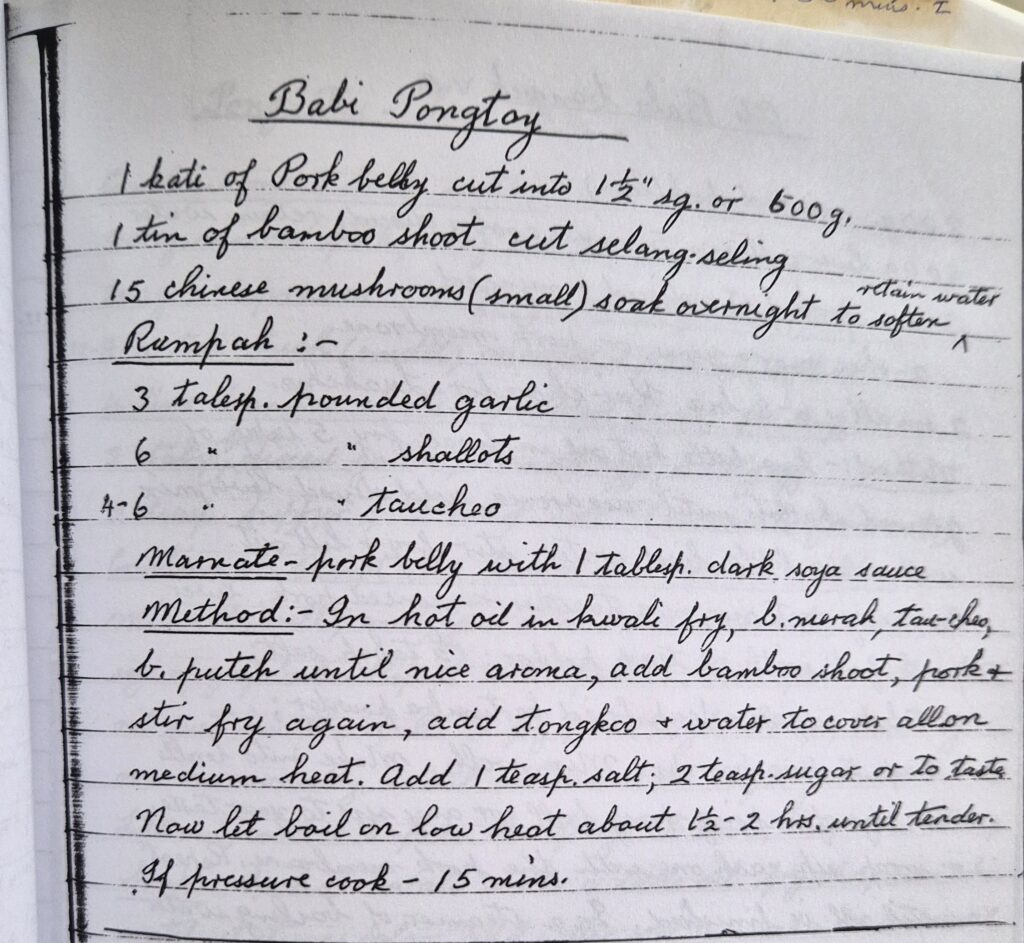
Left. The original Babi Pongtay recipe
One of the first dishes I learned to cook was babi pongtay, as it was considered simple. But if I had used my Mama’s original recipe as a guide, I would have been lost: just three sentences, six lines, with no quantities nor timings. Just overall instructions, as if she was explaining to a friend who already knew the basics of cooking, and how to estimate. But people must have asked her to clarify, so over the years, she added details (in blue ink) of suggested quantities and even her preferred brand of winter bamboo shoots.

Right. The recipe updated in the 1990s
Decades later, when she transcribed her recipes into a new book, she had evolved her style of recipe writing. The latest version followed the convention of listing ingredients, then method. Some expressions remained, like selang seling (in wedges); the ingredients also changed slightly, from using sugar cane as a sweetening agent, to sugar. She even made provision for modern developments like the pressure cooker!
Like any dish, there are multiple versions – in Malaysia for example, bamboo shoot is swapped out for potato, and chicken may replace pork. Even for pork there is varying practice – my Koh Chik used to cook with kaki babi (pork leg), and others have used leaner cuts for health reasons. I have reduced the quantity of taucheo that was recommended by my Mama’s recipe, as I find it very salty. The main point is to respect the dish’s origins and foundation, while making it your own. For example, we sometimes serve our babi pongtay with toast bread!
It is a dish that keeps well, in fact it is even better when reheated the next day. It also freezes well, so you can batch cook a few servings. Do try it out!
Babi Pongteh Recipe
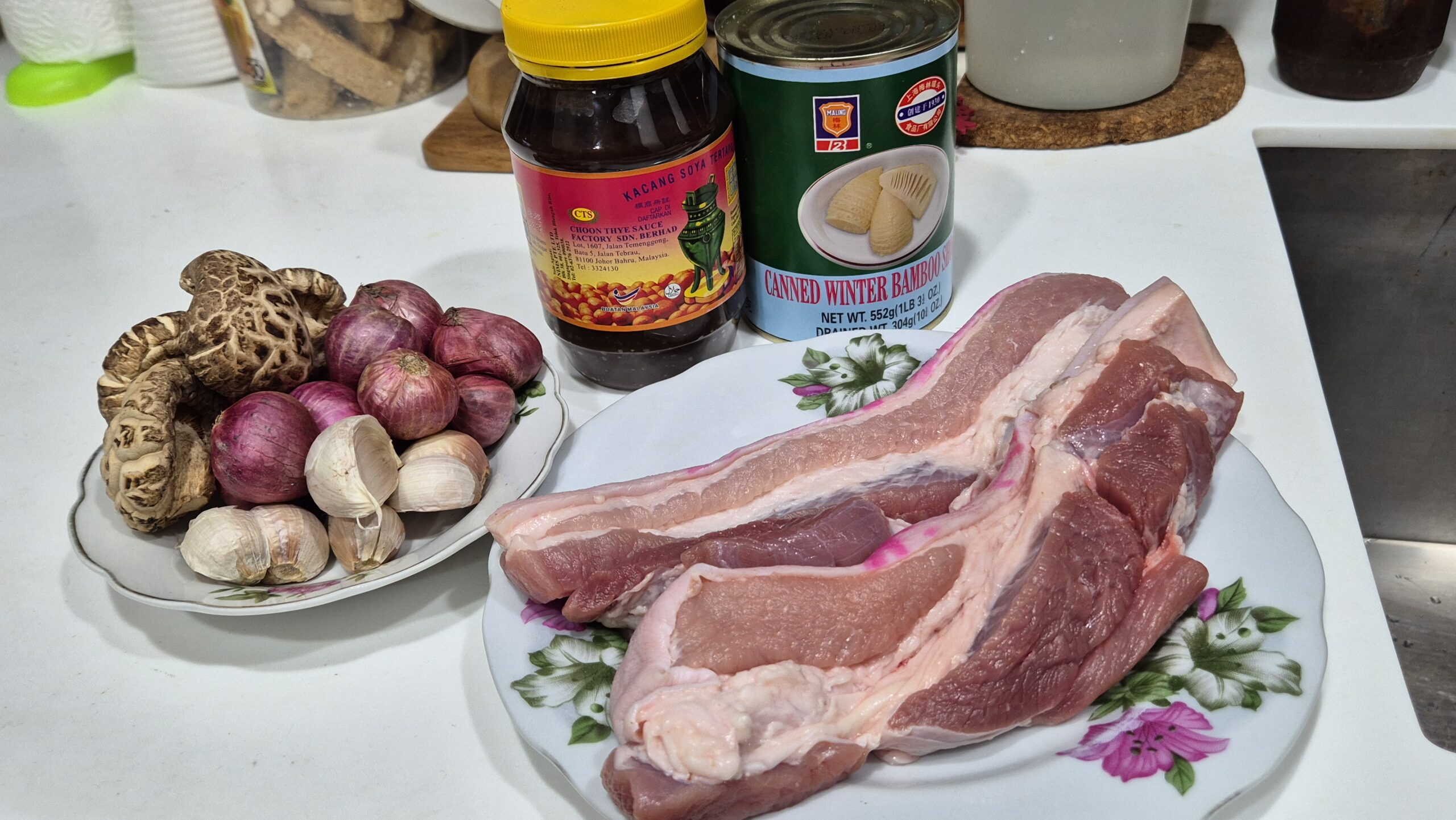
Ingredients
500-600g belly pork, sliced into chunks
1 tin of winter bamboo shoots, potong selang seling (cut into wedges)
8 medium or 12 small dried mushrooms, soaked in water to soften (keep the water)
3 cloves of garlic
10 cloves of shallots
1 heaped tablespoon of taucheo
½ teaspoon dark soya sauce
2 tsp sugar (or to taste)
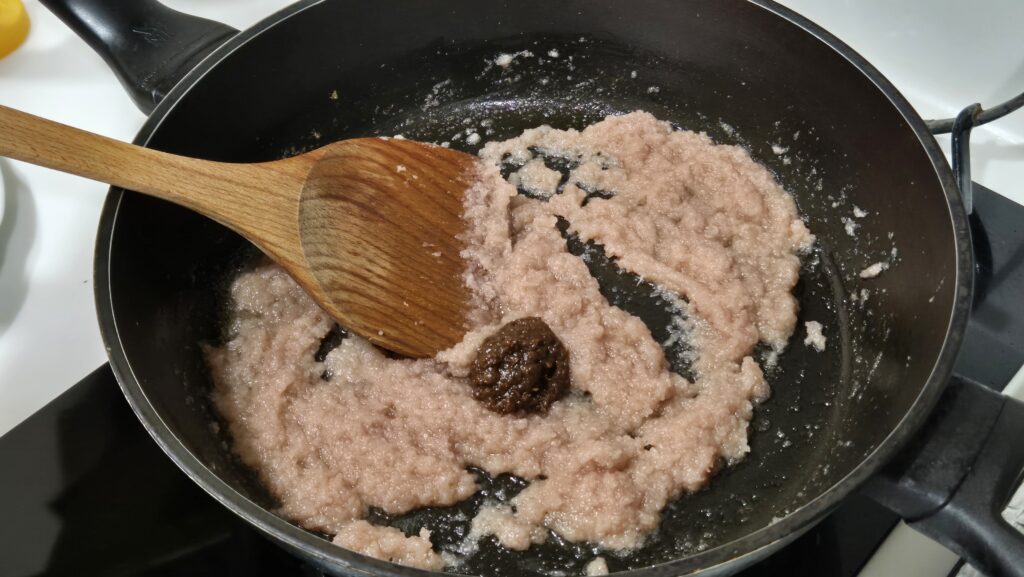
2. Heat oil, and fry the garlic and shallots over a low to medium fire – be patient, do not rush this step! – until the raw smell becomes fragrant.
3. Add the taucheo and mix well.
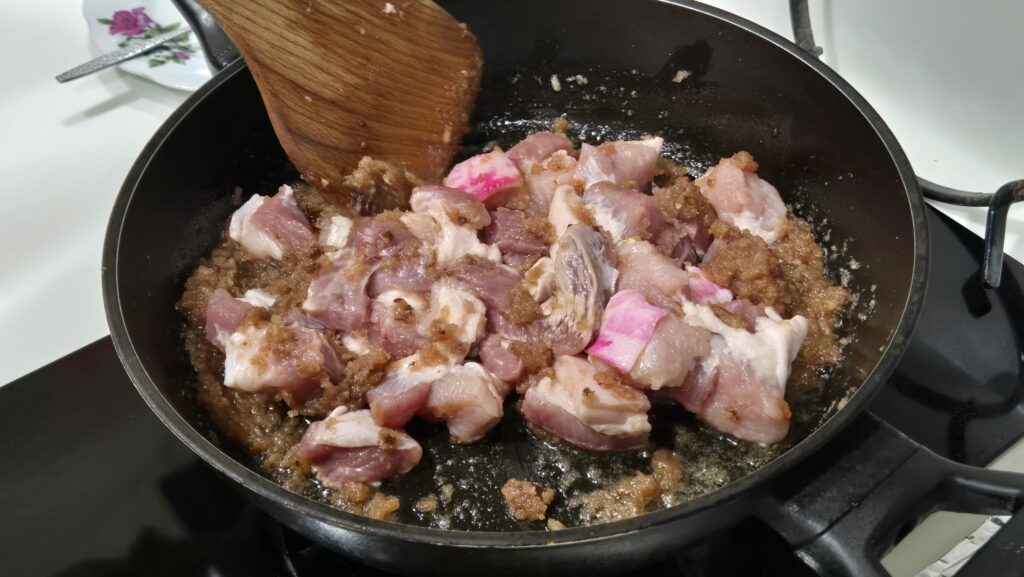
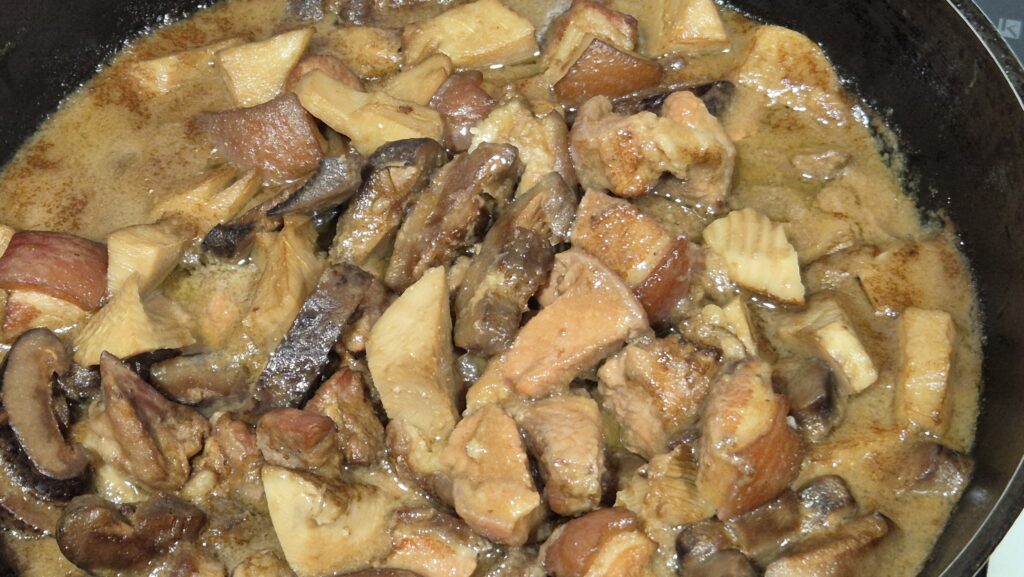
6. Bring to the boil, and then lower the heat to simmer for 1 hour until the meat is tender.
7. Add a little dark soya sauce for colouring, and salt and sugar to taste.