 Josephine Chia
Nyonya and Author Josephine Chia reflects on her Peranakan heritage.
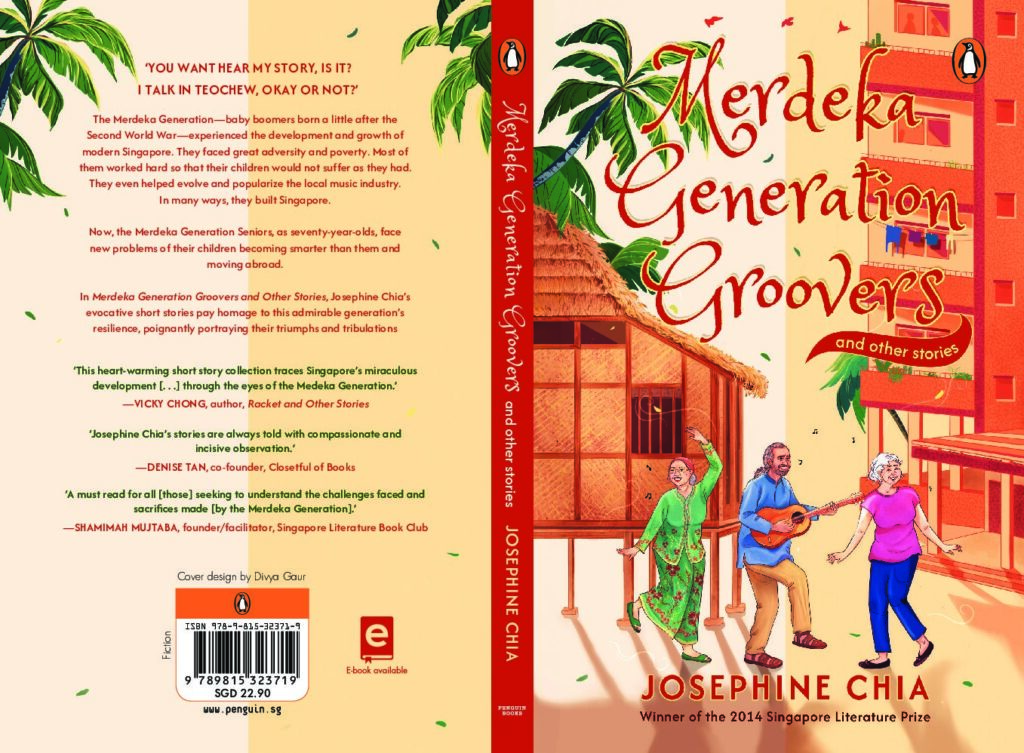
Writer Josephine Chia talks about growing up Peranakan in this interview with Emeric Lau on the cusp of the release of her new book, Merdeka Generation Groovers.
EL: You are an accomplished author, proud Peranakan, and member of the Merdeka Generation. You’ve also led a most interesting life, having grown up in Singapore and lived in the UK. What is it about being Peranakan that you hold the most dear?
JC: Indeed, I am very proud of my Peranakan heritage. My mother hailed from Melaka. She always brought us up as Peranakans. As a child, I never knew I was Chinese as I was taught to say I was a Peranakan. When I wrote this in an article for Straits Times once, netizens accused me of not being proud to be Chinese. I responded by saying that I never said I was not proud to be Chinese, but I always thought of myself as a Peranakan. Therefore, my self-identity is always about being Peranakan.
When I was in UK, my short story was long listed for a major literary award, the Ian St James Award; I told the reporters who interviewed me that I was Peranakan. In the end I was shortlisted and did not win First Prize but was one of the twelve finalists and was published by UK Harper Collins. I was the only Asian in that anthology, Blood, Sweat and Tears.
As I didn’t live in a city I was an Asian rarity. It made me more emphatic to claim my heritage. I feel that our rich heritage of a hybrid culture was unique and dear to me.
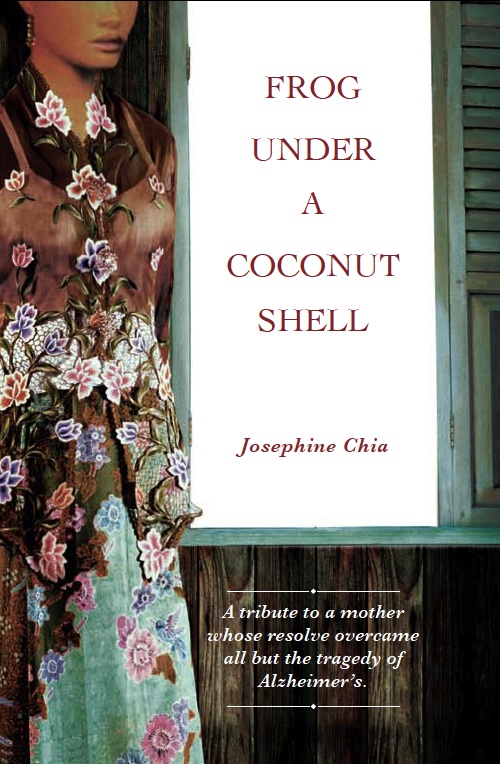
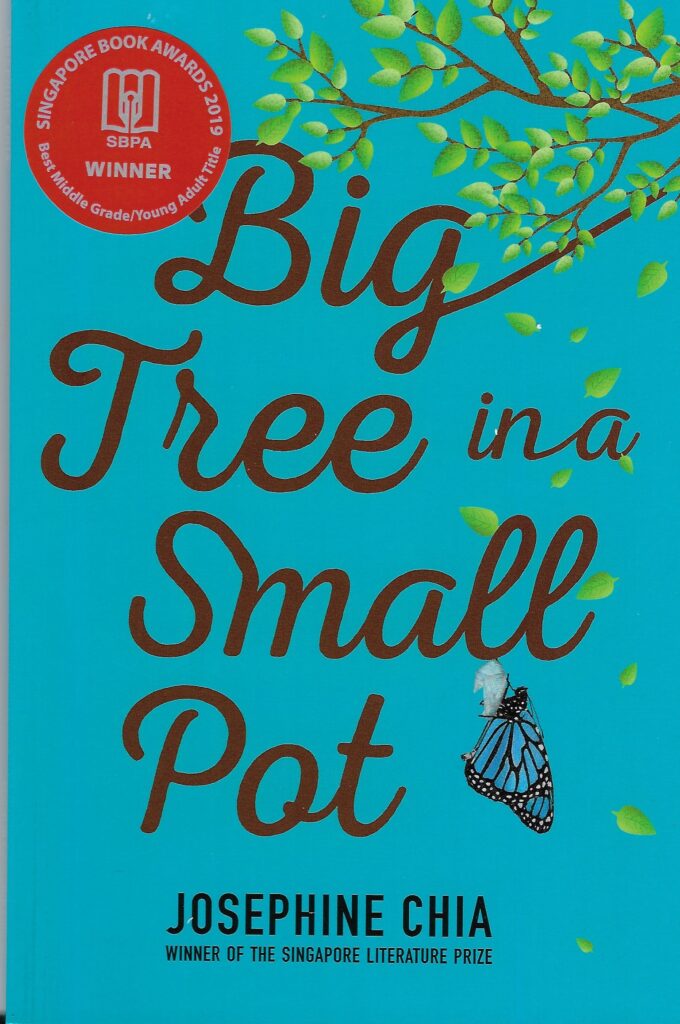
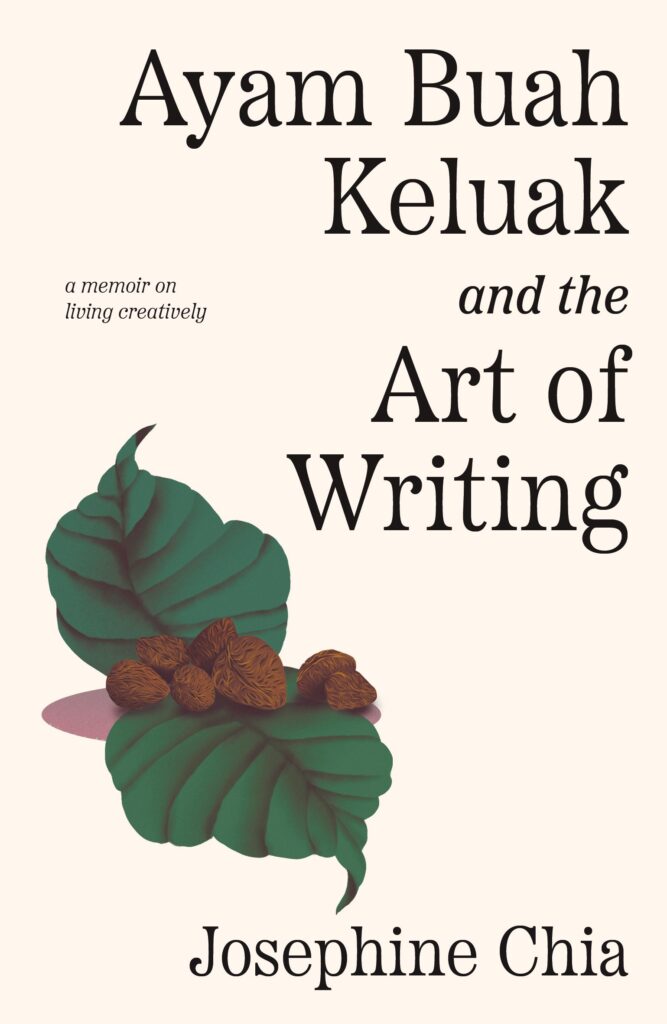
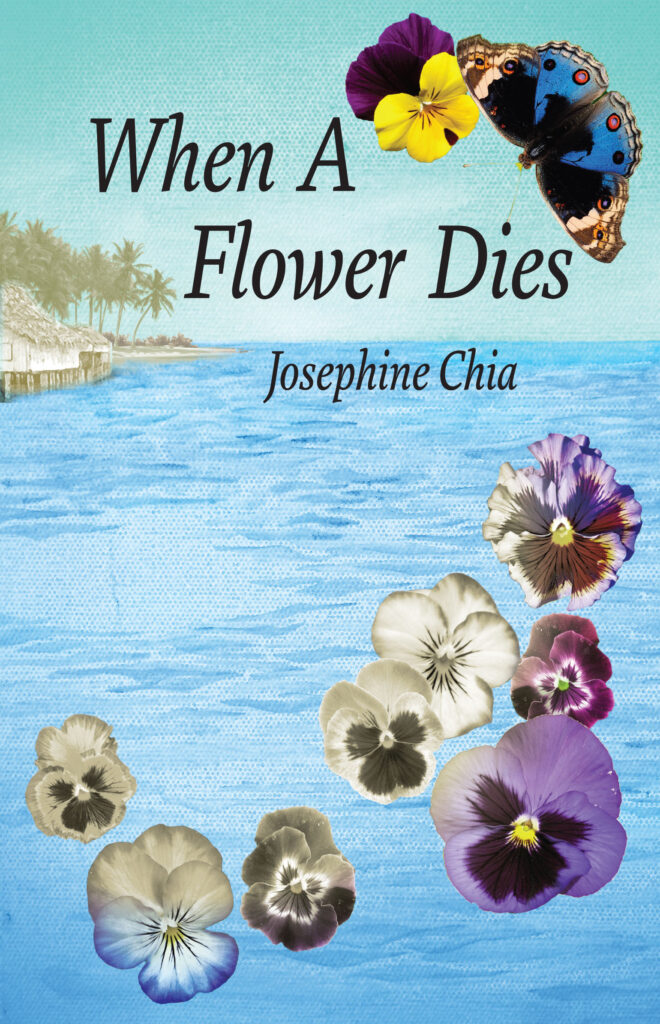
EL: Many of your stories centre around Peranakan characters / protagonists. Has this been a conscious choice?
JC: Indeed, it has been a conscious choice to showcase our culture and heritage in my books. When I started out writing both fiction and no-fiction, Stella Kon’s Emily of Emerald Hill was the only screenplay in contemporary literature to feature a Peranakan character (though I’m aware that Gunong Sayang, etc. have produced Peranakan plays with Peranakan characters.) Most Peranakan writing tends to be about our cuisine. As our culture has to deal with issues of Identity and the diminishing practise of our customs, I felt it was mandatory for me to explore these issues in my stories, and also how the younger generation view our heritage and culture. These days, new writers do write on non-fiction historical aspects of our culture, yet there is still a dearth of fiction writers who write about our culture.
EL: Most of TPAS’ members fall within the Pioneer and Merdeka Generations, coming into their own alongside Singapore’s early nation building years. Looking both back and forward, do you have a message for your contemporaries?
JC: Both the Pioneer and Merdeka Generation are the last to have experienced pre-independent Singapore. I am Merdeka Generation. We hold the keys to the history of Singapore’s development from Third World to a First World nation, from being under the yoke of colonialism to independence. Therefore, we have a rich story to share. If there is any message for me to pass, I would say be proud of how far we have come; how fortunate we were to be present in the years when history was created. Share your experiences with others in a form that suits you – through writing, telling stories, art or singing.
*
Josephine “Phine” Chia’s latest work, Merdeka Generation Groovers, hits the shelves from July 2025. Available wherever books are sold in Singapore. Learn more about Phine here.